

Archive · 29 Sep 2025
Earth's Atmosphere Blamed for Rusting on the Moon
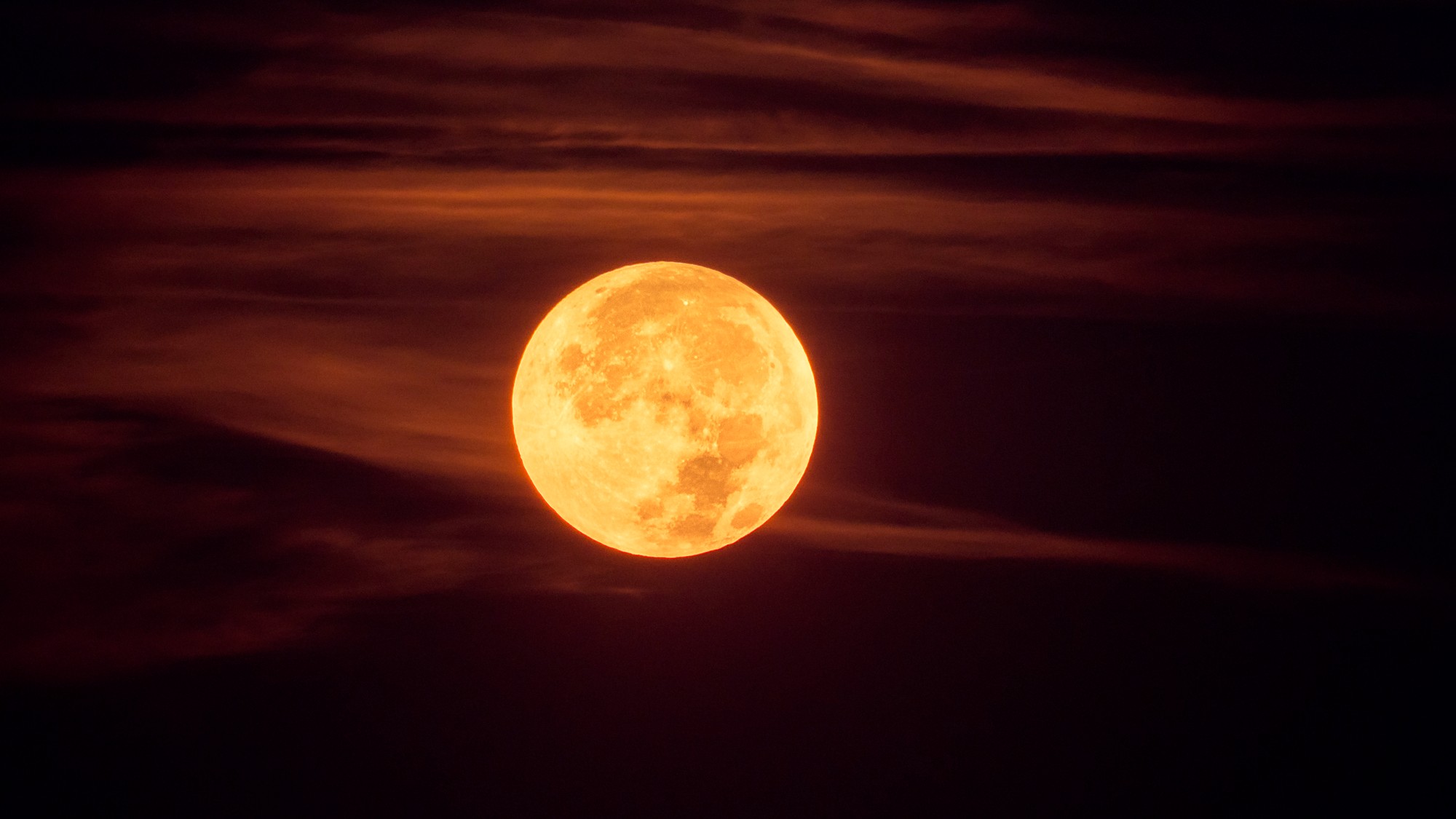
Imagine the Moon as a giant rock that's starting to get rusty, like an old bike left outside!
Scientists were puzzled because rust needs oxygen and water, which aren't common on the Moon.
But they think the Earth is the culprit!
Earth sends out tiny bits of oxygen, hydrogen, and other particles.
When Earth blocks the sun for a few days each month, these particles, called Earth wind, reach the Moon and cause the rusting.
The water for the rust might be from ice at the poles of the Moon.
Different kinds of particles can affect the rust, some making it and some removing it.
Scientists are still studying the process!

Rust, specifically hematite, has been found on the Moon.
Rust formation requires oxygen and water, which are scarce on the Moon.
Scientists now believe the oxygen comes from Earth's atmosphere.
Earth's atmosphere sends out oxygen ions that react with iron on the Moon.
High-energy hydrogen ions can undo the rusting process.
- Who
- Scientists
- What
- Studying the presence of rust on the Moon.
- When
- Ongoing; first discovery in 2020.
- Where
- The Moon.
- Why
- To understand the formation of rust in a seemingly oxygen-lacking environment, with Earth's atmosphere now appearing to be the main source.
- Rust Type
- Hematite (iron oxide)
- Rust Formation Requirement
- Oxygen and water
- Oxygen Source
- Oxygen ions from Earth's magnetosphere
- Water Source
- Likely from ice at the lunar poles
- Lunar Cycle Influence
- Rusting occurs when Earth blocks solar particles (about 5 days/month)
- Hydrogen effect
- High energy hydrogen ions can reduce rust back to iron