

Archive · 4 Oct 2025
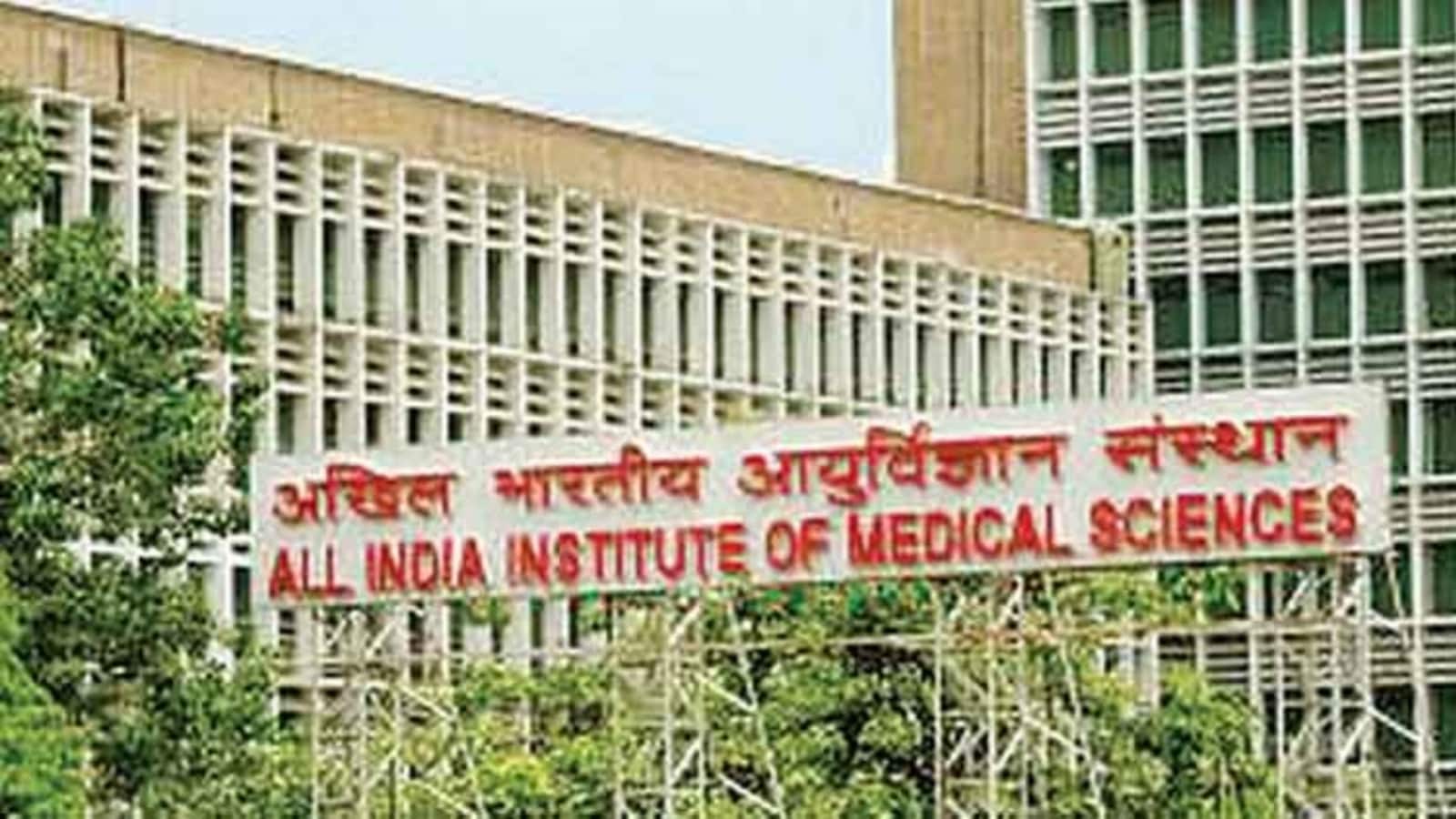
AIIMS Study: Training Gaps Hinder Organ Donation in India
Imagine your brain stops working, but your body is still running thanks to machines.
Doctors have to confirm this brain death to allow organ donation.
However, a new study shows many Indian doctors haven't been properly trained to do this.
This lack of training makes it hard to certify when someone is truly brain dead, which means fewer organs can be donated to help people in need.
Doctors check things like eye reflexes and breathing to confirm brain death.
Rules about these checks aren't always clear, creating confusion.
The study suggests better training and clearer guidelines could greatly increase the number of organs available for transplant, helping save more lives.

A recent AIIMS study highlights a significant knowledge gap among doctors in India regarding brain death certification.
Over half of surveyed doctors lacked proper training in certifying brain death, impacting organ donation.
India's organ donation rate remains low, despite a high number of transplants.
Brain death certification is critical for organ donation, but streamlining the process is needed.
The study suggests improved training and clearer guidelines could significantly increase organ donation rates.
- Who
- Medical professionals and patients.
- What
- A study reveals training gaps in brain death certification impact organ donation.
- When
- Published recently; data from before publication.
- Where
- India, specifically among doctors nationwide.
- Why
- To understand why deceased donor transplants remain low and improve organ donation rates.
- Study Authors
- Doctors at AIIMS, Delhi
- Doctors Surveyed
- 177 neurosurgeons, neurologists, critical care specialists
- Doctors Untrained in Brain Death Certification
- 59.2%
- Deceased Donor Transplants (2024)
- 18% of donations
- Organs from Deceased Donors Transplanted
- 3,403 (last year)
- Brain Death Certification Board
- 4 members (hospital head, doctor, neurologist/neurosurgeon, treating physician)