

Archive · 29 Jul 2026
Tea growers seek pesticide norm suspension amid procurement crisis
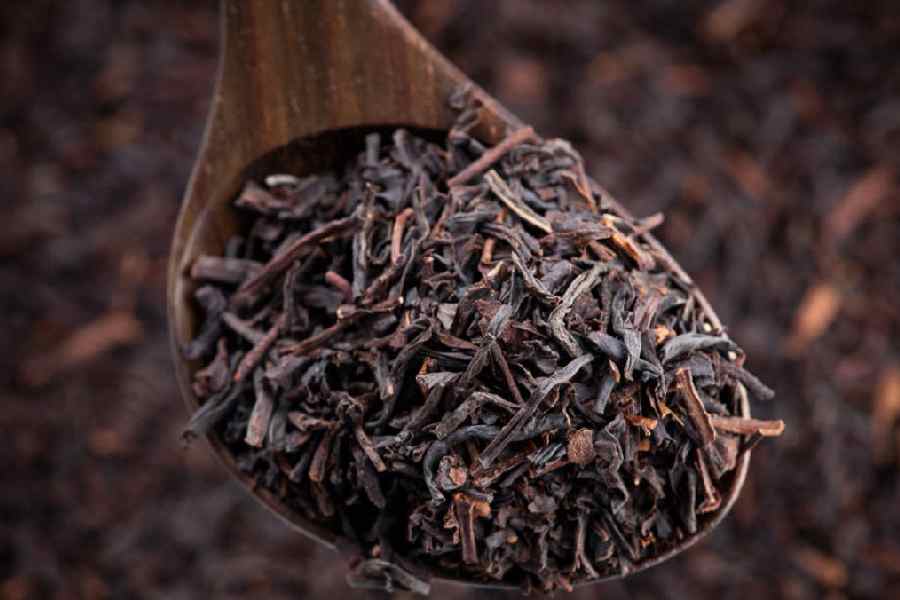
Small tea growers in Assam and Bengal are facing a big problem.
Two large tea companies, Tata Consumer Products and Hindustan Unilever, have stopped buying tea that doesn't meet strict safety rules about pesticides.
The growers say they can't test their tea for these rules and are asking the government to pause the enforcement.
They also want to ban a harmful pesticide called monocrotophos.
The Tea Board says the rules are important for health but also wants to help the farmers.
It's a tough situation where both sides have good points.

Small tea growers in Assam and Bengal are urging the suspension of strict pesticide residue norms.
Tata Consumer Products Ltd (TCPL) and Hindustan Unilever Ltd (HUL) have stopped procuring teas that fail to meet food safety standards.
Growers claim they lack the means to test green leaves at scale and are seeking interim relief.
The Tea Board emphasizes the importance of adhering to food safety standards while balancing farmer livelihoods.
Growers are urging the state to ban the pesticide monocrotophos and seek interim relief for other pesticides.
- Who
- Small tea growers in Assam and Bengal, FSSAI, Tea Board, Tata Consumer Products Ltd (TCPL), Hindustan Unilever Ltd (HUL)
- What
- Small tea growers are urging the suspension of strict pesticide residue norms due to procurement disruptions.
- When
- The issue arose following the Tea Board's nudge to branded tea companies to stop purchasing non-compliant teas.
- Where
- Assam and Bengal
- Why
- The strict enforcement of pesticide residue norms is disrupting the procurement of green tea leaves, threatening the livelihoods of millions of farmers.
Tea Growers' Perspective
FSSAI and Tea Board Perspective
Enforcement of Pesticide Norms
Tea Growers' Perspective
Small tea growers argue that the strict enforcement of pesticide residue norms is impractical and disrupts their livelihoods, especially during peak production season.
FSSAI and Tea Board Perspective
FSSAI and the Tea Board emphasize the importance of adhering to food safety standards to protect the health of tea consumers.
Testing and Compliance
Tea Growers' Perspective
Growers claim they lack the means to test green leaves at scale and request interim relief from implementation of the norms.
FSSAI and Tea Board Perspective
The Tea Board suggests that small tea growers should follow good agricultural practices to ensure compliance with safety guidelines.
Pesticide Usage
Tea Growers' Perspective
Growers urge the state to ban the use of monocrotophos and seek interim relief for other pesticides until proper limits are set.
FSSAI and Tea Board Perspective
FSSAI and the Tea Board focus on balancing the livelihoods of farmers with the health of tea consumers.
- Key Stakeholders
- Small tea growers, FSSAI, Tea Board, Tata Consumer Products Ltd (TCPL), Hindustan Unilever Ltd (HUL)
- Affected Regions
- Assam and Bengal
- Pesticide Norms
- FSSAI's minimum residue limits for pesticides in tea
- Impacted Companies
- Tata Consumer Products Ltd (TCPL), Hindustan Unilever Ltd (HUL)
- Key Pesticide
- Monocrotophos
- Regulatory Body
- Food Safety and Standards Authority of India (FSSAI)
- Tea Board's Role
- Oversees tea safety guidelines and balances farmer livelihoods with consumer health