

Archive · 14 Sep 2026
Amit Shah Pushes State-By-State UCC Rollout Before 2029
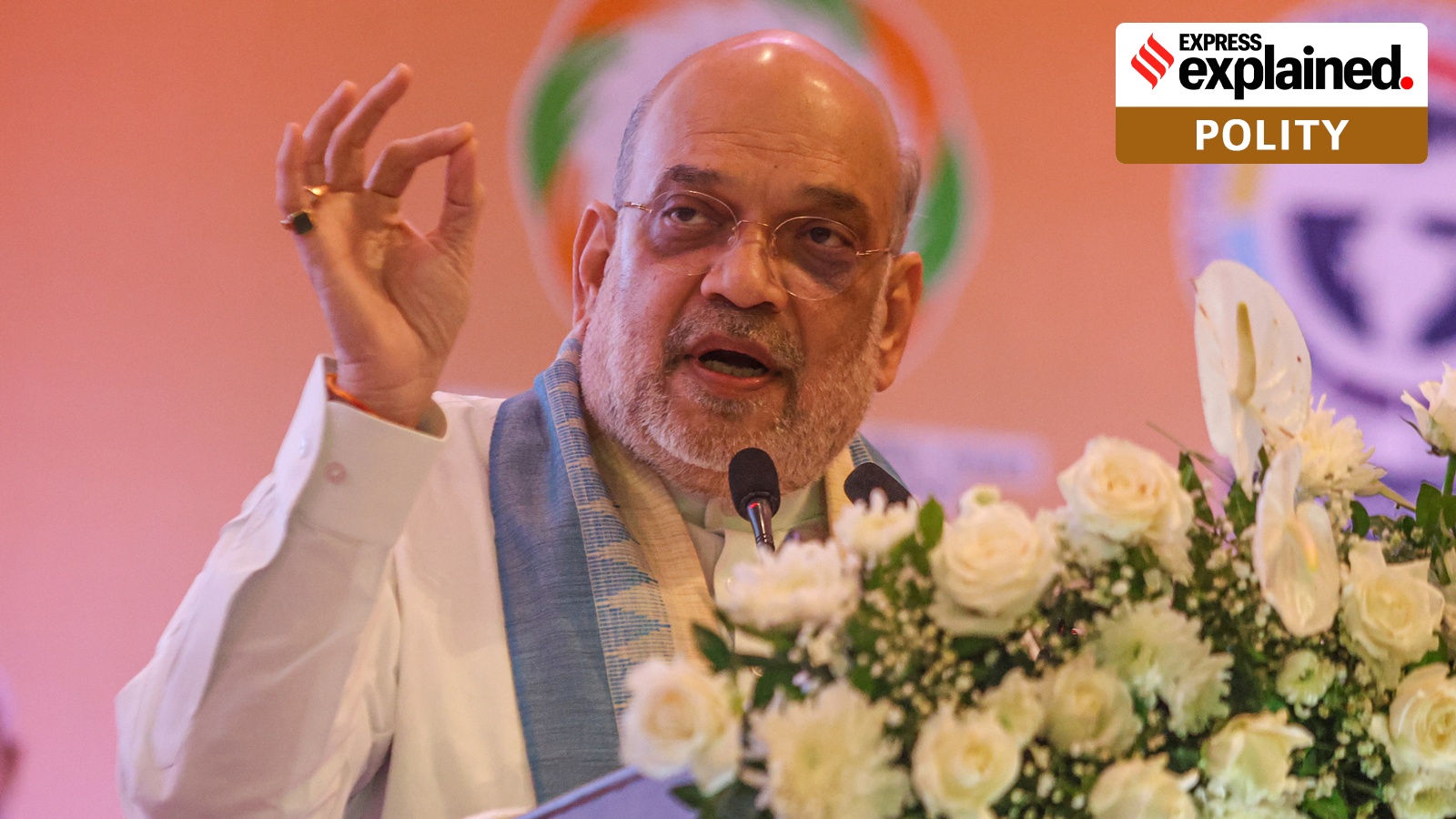
The Uniform Civil Code, or UCC, would create one set of family laws for people of all religions in India.
It could cover marriage, divorce, inheritance, adoption and live-in relationships.
Amit Shah said BJP-led states should introduce it before the 2029 elections.
Uttarakhand is the only state where these rules are currently working.
Gujarat, Assam and Madhya Pradesh have passed similar laws, but they are not yet in force according to the articles.
The rules in the four states are similar but not exactly the same.
Scheduled Tribes are generally left outside these laws, and some other protected communities may also be exempt.
Supporters describe the UCC as a way to promote equal rights.
Critics fear it could weaken religious and customary protections and want broader consultation.

Amit Shah said the UCC would be implemented in all 21 BJP-led NDA states before the 2029 Lok Sabha elections.
UCC would establish common rules for marriage, divorce, inheritance, succession, adoption and related family matters.
Uttarakhand is the only state where a UCC is currently in force, having taken effect on January 27, 2025.
Gujarat, Assam and Madhya Pradesh have passed UCC legislation, but the articles say it awaits assent or notification in those states.
The state-by-state strategy reflects both shared legislative powers and political concerns about India’s religious, tribal and customary-law diversity.
- Who
- Union Home Minister Amit Shah, BJP-led NDA state governments, opposition parties and the Law Commission of India are central to the debate.
- What
- Shah proposed implementing the Uniform Civil Code across all 21 BJP-led NDA states before 2029, mainly through state legislation.
- When
- Shah made the statement on Sunday, identified in one article as September 13; Uttarakhand’s code came into force on January 27, 2025.
- Where
- Shah spoke in Mumbai; the proposed rollout concerns 21 BJP-led NDA states across India.
- Why
- The state-by-state approach allows governments to address local customs and tribal protections while pursuing the BJP’s long-standing UCC objective.
UCC supporters and BJP proponents
Opposition parties and cautious allies
Purpose of the code
UCC supporters and BJP proponents
Supporters present the UCC as a common secular framework that can promote equal rights, including for women, and replace religion-based personal laws.
Opposition parties and cautious allies
Opponents question whether the proposal is genuinely about gender equality or would impose a majoritarian framework on minority communities.
State-by-state strategy
UCC supporters and BJP proponents
The BJP and RSS-backed approach favors states developing and testing their own codes before any possible national framework, allowing attention to local customs and implementation challenges.
Opposition parties and cautious allies
Opposition parties and some allies seek wider consultation, consensus and stronger protection for religious, ethnic and tribal practices before implementation.
Uniformity and exemptions
UCC supporters and BJP proponents
Supporters argue that common rules are needed for family matters, while state laws can account for specific constitutional protections.
Opposition parties and cautious allies
Critics point out that Scheduled Tribes and some constitutionally protected communities are exempt, making the four state codes similar but not literally universal.
- Target
- Implementation in all 21 BJP-led NDA states before the 2029 Lok Sabha elections.
- Current enforcement
- Uttarakhand is the only state identified as having the UCC in force.
- Uttarakhand date
- The Uttarakhand code came into force on January 27, 2025.
- States with passed legislation
- Uttarakhand, Gujarat, Assam and Madhya Pradesh.
- Matters covered
- Marriage, divorce, inheritance, succession, adoption and, in some states, live-in relationships.
- Constitutional basis
- Article 44 directs the state to pursue a uniform civil code, but it is a non-enforceable Directive Principle.
- Law Commission position
- The 21st Law Commission said in 2018 that a UCC was neither necessary nor desirable at that stage; the 22nd reopened public consultation in 2023.
