

Archive · 9 Aug 2026
India's Kharif Sowing Deficit Narrows, Uneven Rains Threaten Yields
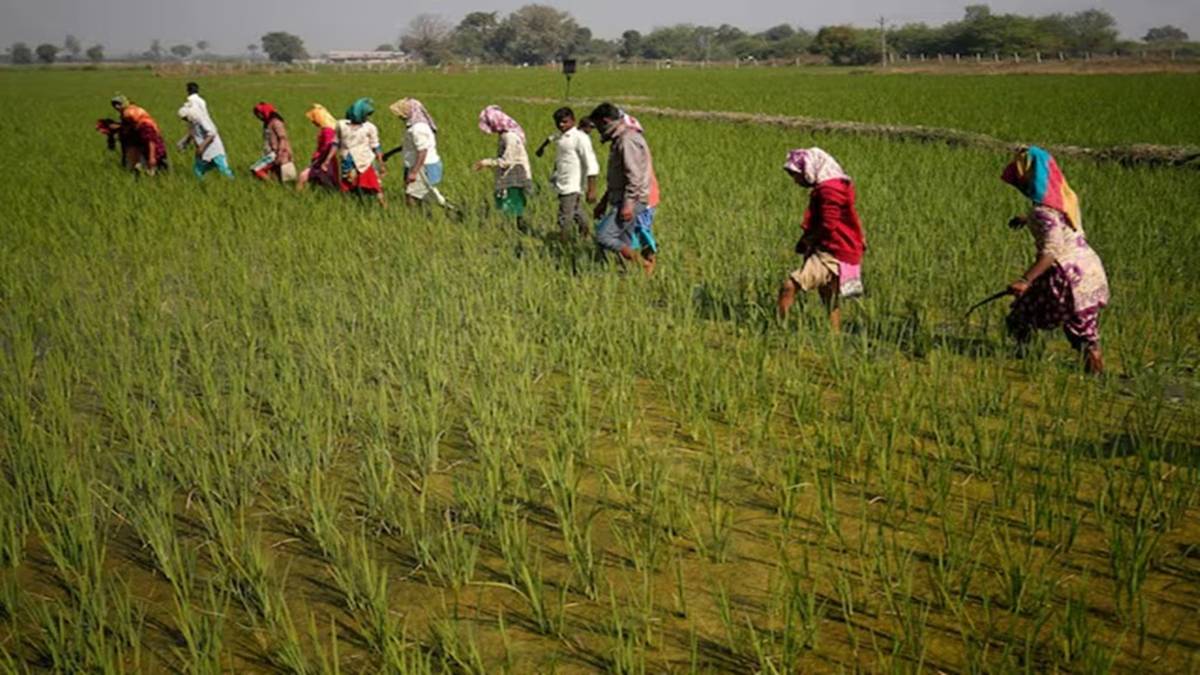
Farmers in India plant crops in a season called kharif.
This year, good rain helped them plant almost as many crops as last year, so the gap has become very small.
But the rain has not fallen evenly across the country.
Some places got too much rain and some got too little.
This can hurt plants such as oilseeds and pulses, which need the right amount of water.
The rice crop, which is very important, was planted on less land than last year.
Groundnuts in Gujarat face problems because of too much rain.
Experts say the weather during August and September will decide how much food India can grow.
Farmers hope the coming weeks bring steady, well-spread rain.

India's kharif sowing deficit against last year has narrowed to less than 2% following adequate monsoon rainfall since July.
The overall monsoon rainfall deficit stands at 11%, with 37% of the country still receiving deficient precipitation.
Uneven rain distribution threatens oilseeds and pulses, while excessive rainfall in Gujarat, which produces 40% of India's groundnuts, raises crop-quality concerns.
Rice sowing fell 4.4% year-on-year to 34.47 million hectares, while soybean acreage rose marginally to 11.76 million hectares.
Analysts say rainfall distribution in August and September will be critical, with ICRA projecting total kharif sowing to decline 1–2% in 2026.
- Who
- Farmers, agriculture analysts and agencies including CRISIL, ICRA, PwC India, and the agriculture ministry
- What
- India's kharif sowing deficit narrowed to under 2%, but uneven monsoon rainfall threatens crop yields, especially for oilseeds and pulses
- When
- As of the first week of August in the 2026 kharif season
- Where
- India, especially Gujarat, Maharashtra, Madhya Pradesh and Rajasthan
- Why
- Because uneven, regionally imbalanced monsoon rainfall could hurt moisture-sensitive crops despite improved sowing
Optimistic assessment
Cautious assessment
Sowing outlook
Optimistic assessment
CRISIL sees the kharif season on a 'relatively stable footing' and expects total acreage to remain stable year-on-year; PwC says a strong monsoon recovery has significantly moderated downside risks to production.
Cautious assessment
ICRA projects kharif sowing to decline 1–2% in 2026, with rice area down 4.4% and the Saurashtra Mill Association saying production this year will be lower.
Rainfall and crop prospects
Optimistic assessment
A strong monsoon recovery has accelerated sowing, replenished soil moisture and left healthy reservoir levels with adequate input availability.
Cautious assessment
Uneven rains, deficient precipitation in 37% of the country and excessive rainfall in Gujarat could hurt oilseeds, pulses and groundnut yield and quality in moisture-sensitive growth stages.
- Kharif sowing deficit vs. last year
- Less than 2%
- Monsoon rainfall deficit
- 11% overall; 37% of the country deficient
- Total kharif sown area
- 96.79 million hectares (down 1.81% year-on-year)
- Normal kharif area
- 110 million hectares
- Rice sown area
- 34.47 million hectares (down 4.4% year-on-year)
- Soybean sown area
- 11.76 million hectares (marginally higher year-on-year)
- Tur sown area
- 3.75 million hectares (down 6% year-on-year)
- Gujarat's share of groundnut production
- 40%