

Archive · 17 Dec 2025
Indian Communism at 100: Decline or Resurgence?
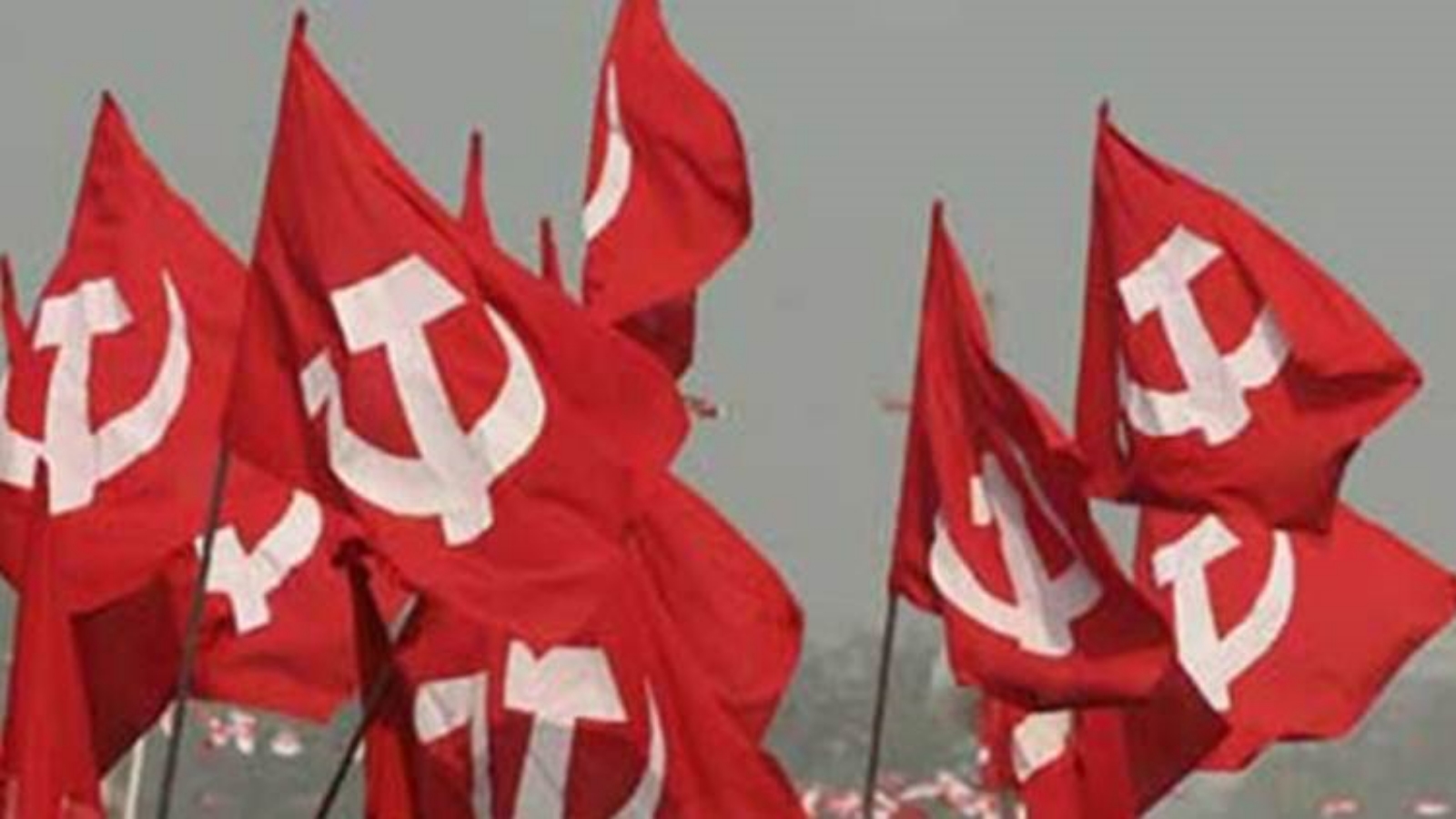
Indian communism is celebrating its 100th anniversary.
The Communist Party of India (CPI) and its factions have a rich history but have seen a significant decline in recent years.
Once a powerful force in national politics, the CPI now holds very few seats in the Lok Sabha and governs only in Kerala.
Despite this, the conditions that gave rise to communism—like inequality and agrarian distress—are still present.
The future of Indian communism depends on its ability to adapt and form broad coalitions.
The party's influence on land reform, secularism, and culture remains undeniable.

The Communist Party of India (CPI) is celebrating its 100th anniversary, marking a century of influence and decline.
The CPI once held significant political power but now has minimal representation in the Lok Sabha and governs only in Kerala.
Historically, the CPI played a crucial role in land reform, secularism, and cultural movements in India.
The party's decline is attributed to internal conflicts, ideological rigidity, and an inability to form durable coalitions.
Despite its current political irrelevance, the conditions that fueled the rise of communism—such as inequality and agrarian distress—remain prevalent.
- Who
- Communist Party of India (CPI) and its factions
- What
- Celebration of 100 years of Indian communism and its current state
- When
- 2024 (100th anniversary)
- Where
- India
- Why
- To reflect on the history, decline, and potential future of Indian communism
- Organizations
- RSS and CPI
- Founding Years
- 1920 (CPI) and 1925 (CPI(M))
- Historical Influence
- Land reform, secularism, welfare architecture, cultural impact
- Current Status
- Political irrelevance, reduced electoral presence
- Global Context
- Renewed interest in socialist ideas