

Archive · 27 May 2025
Supreme Court: Warrant is Grounds for Arrest, No Separate Explanation Needed
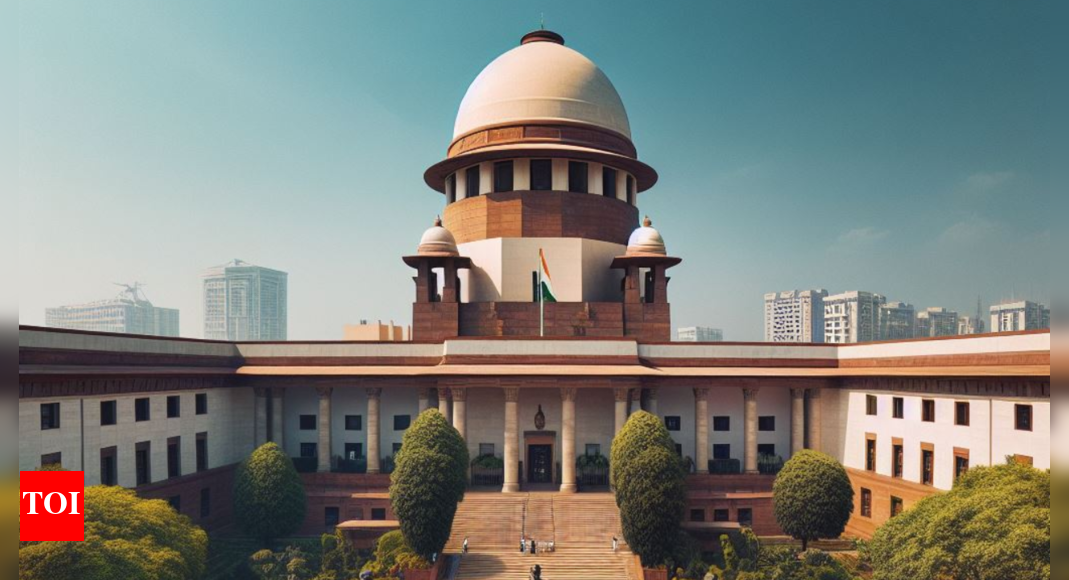
Imagine the police have a paper called a 'warrant' that says they can arrest someone.
The Supreme Court, the highest court, says that if the police arrest someone because of this paper, they don't have to explain why separately.
The paper itself, the warrant, is the reason.
However, if the police arrest someone without the warrant, they *must* tell the person why, specifically what they did wrong.
Simply saying which law they broke isn't enough; the police have to describe the person's actions that broke the law.

The Supreme Court addressed arrest procedures related to warrants.
Court stated that when arrested on a warrant, the warrant itself serves as the grounds for arrest.
Reading the warrant to the arrestee is sufficient.
If arrested without a warrant, the grounds for arrest must be communicated.
The person must be told of the specific acts that constitute the offense.
- Who
- Supreme Court justices and individuals arrested with or without a warrant.
- What
- The Supreme Court clarified the requirements for informing a person of the grounds for their arrest, differentiating between arrests with and without a warrant.
- When
- Not explicitly mentioned in the provided article.
- Where
- New Delhi (Supreme Court).
- Why
- To clarify arrest procedures and the requirements for informing an arrestee of the reason for their arrest.
- Legal Ruling
- Supreme Court decision regarding arrest procedures.
- Focus
- Arrest warrants and informing arrestees of grounds.
- Court's Stance
- Reading a warrant constitutes sufficient grounds for arrest.
- Judges
- Justices J B Pardiwala and R Mahadevan.