

Archive · 23 Aug 2025
AI Designs Proteins to Reverse Cellular Aging in Breakthrough
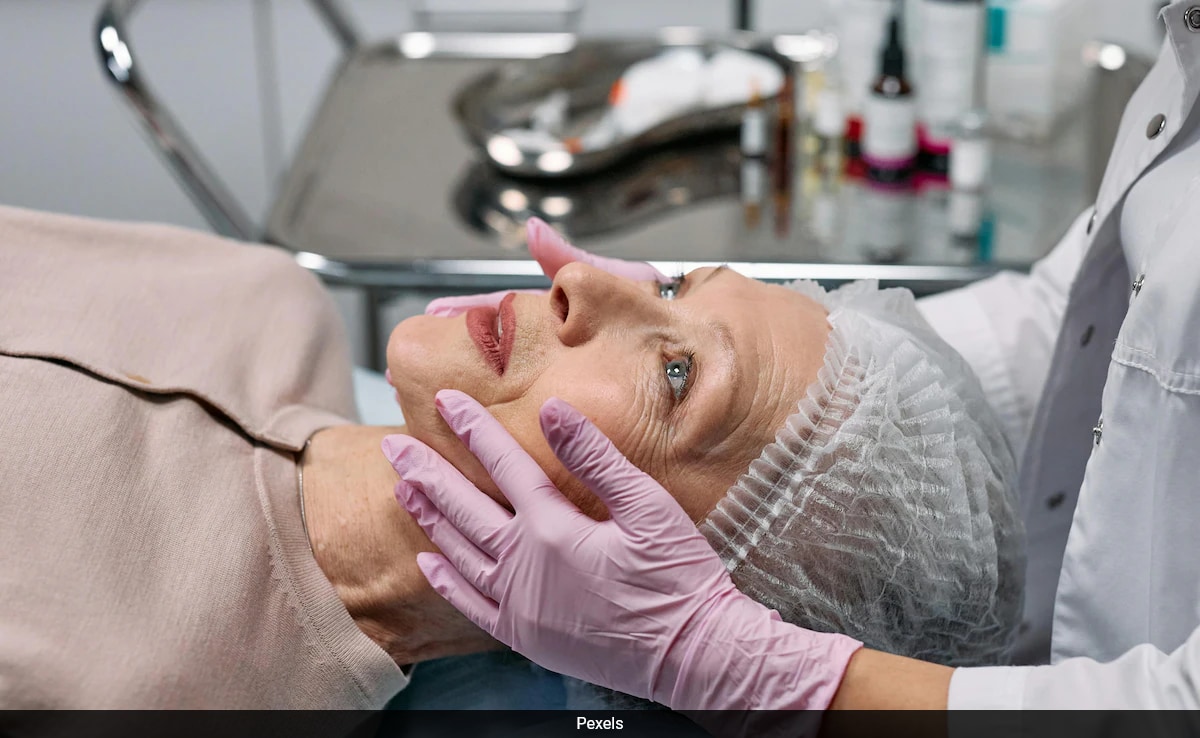
Scientists have used AI to create new proteins that can make old cells act young again.
This AI, called GPT-4b micro, was trained to understand how proteins work.
It redesigned proteins called Yamanaka factors, which help turn adult cells into stem cells.
In tests, cells exposed to these AI-designed proteins showed a big increase in stem cell markers and repaired damage much quicker.
This could lead to new treatments that slow down or even reverse the effects of aging, which is a significant step for regenerative medicine.

AI, GPT-4b micro, redesigned proteins to rejuvenate cells.
The AI was trained on protein sequences, biological literature, and molecular structures.
Redesigned proteins achieved a 50-fold increase in stem cell reprogramming markers.
Cells exposed to the AI-designed proteins repaired DNA damage faster.
The breakthrough advances regenerative medicine and longevity research.
- Who
- Researchers from OpenAI and Retro Biosciences.
- What
- AI designed proteins to rejuvenate cells and repair DNA damage.
- When
- The announcement was recently made.
- Where
- In vitro laboratory tests.
- Why
- To advance regenerative medicine and longevity research.
- AI System
- GPT-4b micro
- Focus
- Protein redesign for cell rejuvenation
- Achievement
- 50x higher expression of stem cell markers
- Application
- Potential therapies to combat aging
- Collaboration
- OpenAI and Retro Biosciences