

Archive · 22 May 2025
Multilingualism: The Key to India’s Linguistic Diversity
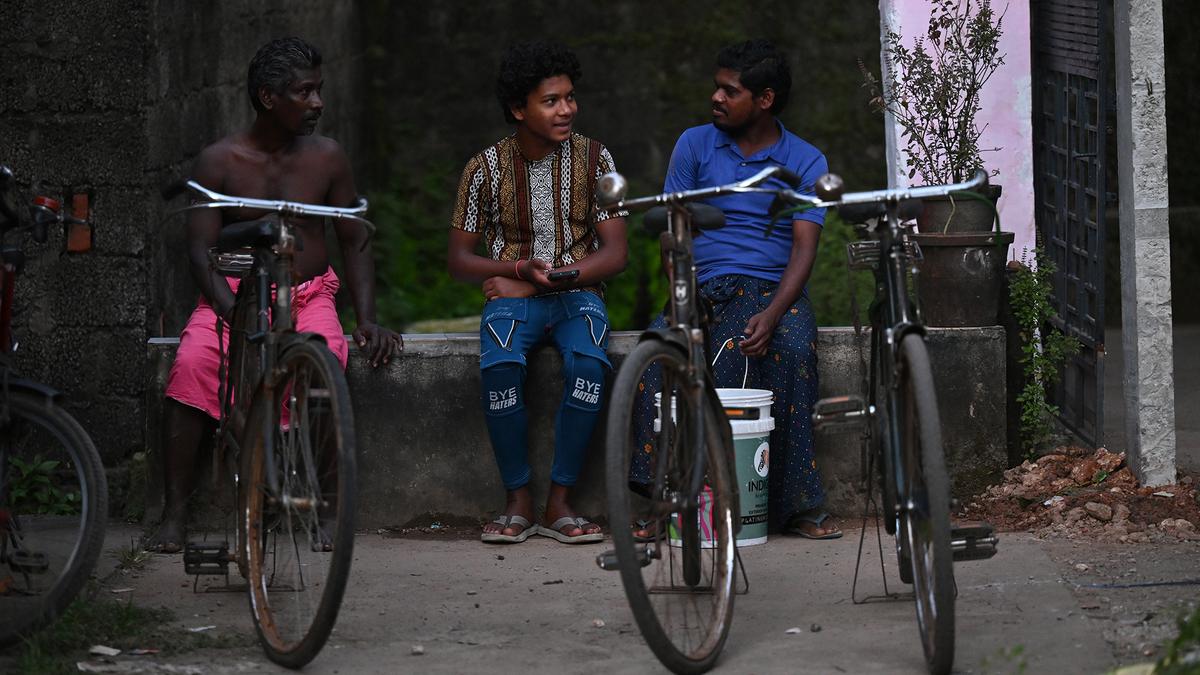
In India, with many languages, it's key for people to learn more than one.
Some worry that Hindi might take over local languages, but data shows regional languages are still strong.
As people move for work, knowing multiple languages helps them communicate.
Hindi and English are widely spoken, but learning other languages becomes necessary.
When people live outside their home state, they often learn extra languages.
The goal is to embrace many languages to communicate better, not to have one language rule them all.

India's linguistic diversity necessitates multilingualism for effective communication across states.
Concerns exist regarding Hindi’s potential impact on regional languages, but data shows continued growth of regional language speakers.
Inter-state mobility increases the need to learn additional languages for work and social interaction.
Census data indicates higher rates of bilingualism and trilingualism among migrants.
Promoting language education and embracing multilingualism is crucial for preserving linguistic diversity and national communication.
- Who
- Individuals, language speakers
- What
- The importance of multilingualism in preserving linguistic diversity and fostering communication.
- When
- 2011 Census data is used to illustrate language usage.
- Where
- India
- Why
- To facilitate communication across different linguistic backgrounds, due to increasing inter-state mobility and economic opportunities.
Concerns over Hindi Imposition
Focus on Multilingualism
Language Debates
Concerns over Hindi Imposition
Apprehensions about the growth and survival of regional languages with the imposition of Hindi, and concerns regarding language domination.
Focus on Multilingualism
Multilingualism promotes inclusivity and preserves linguistic diversity, with no explicit policy to promote Hindi at the expense of regional languages.
- Hindi Speakers (2011)
- 57.1% of the population
- English Speakers (2011)
- 10.6% of the population
- Bilingual Speakers Outside Home State (Average)
- 72%
- Trilingual Speakers Outside Home State (Average)
- 26.3%