1 hr ago
Trump's UN Address Blends Military Threats With Openings For Diplomacy

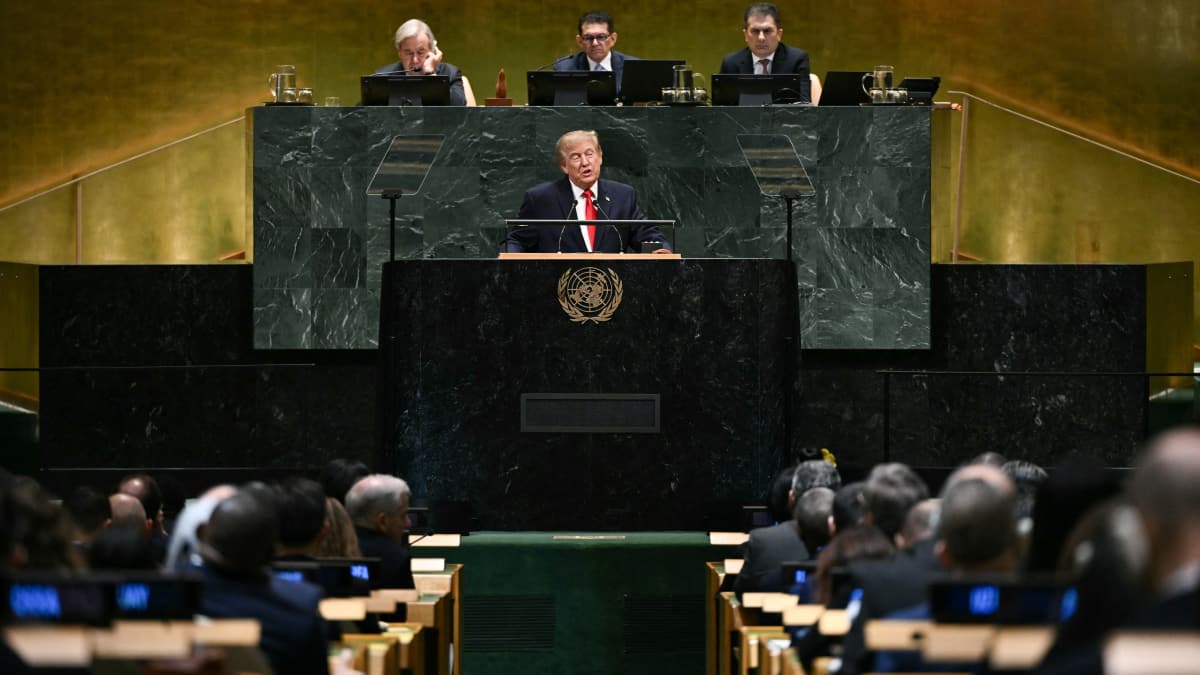
Donald Trump gave a speech at the United Nations about how the United States should deal with other countries.
He said American military and economic strength were more important than international organizations.
He warned Iran that it could face very serious consequences if no agreement was reached.
He also discussed Cuba, Venezuela, climate science, and artificial intelligence.
Trump said warnings about AI dangers were a hoax.
Even though his speech sounded threatening, he said the United States and Iran had already held talks.
Iran said it was willing to keep talking, but not under threats.
This showed that Trump was combining pressure with the possibility of diplomacy.

Donald Trump’s UN speech emphasized US military and economic power over multilateral institutions.
He threatened to “annihilate” Iran unless a deal was reached and said freedom would come to Cuba.
Trump portrayed US actions against Venezuela as a victory and a warning to other countries.
He renewed his attacks on climate science and dismissed warnings about artificial-intelligence risks as a “hoax.”
Trump later disclosed three hours of US-Iran talks, while Iran said it remained open to dialogue without force.
- Who
- US President Donald Trump and Iranian President Masoud Pezeshkian were the principal figures discussed.
- What
- Trump delivered a UN address combining threats of force, criticism of multilateral institutions, and the possibility of negotiations with Iran.
- Where
- At the United Nations in New York.
- When
- Wednesday, during Trump’s address to the UN General Assembly; he later disclosed that US-Iran talks had taken place.
- Why
- Trump presented US military and economic power as central to securing peace and order, while keeping negotiations available as an alternative to escalation.
Critics of Trump's Approach
Trump Administration's Approach
Force versus diplomacy
Critics of Trump's Approach
The speech appeared to downgrade multilateral institutions and diplomacy in favor of US military and economic power.
Trump Administration's Approach
Trump used threats of overwhelming force while still leaving open the possibility of negotiated settlements, including with Iran.
International institutions
Critics of Trump's Approach
The address showed little regard for the UN's foundational purpose and the difficult work of multilateral cooperation.
Trump Administration's Approach
The administration presented US strength and direct action as more effective tools for establishing peace and order.
Artificial-intelligence risks
Critics of Trump's Approach
Warnings about AI risks remain significant concerns that should be addressed, particularly amid US-China technological competition.
Trump Administration's Approach
Trump dismissed warnings about AI risks as a “hoax” and said AI would henceforth be called “superintelligence” in US documents.
Key facts
- Speaker
- US President Donald Trump
- Venue
- United Nations General Assembly
- Iran warning
- Trump threatened to “annihilate” Iran if a deal was not reached.
- Diplomatic contact
- Trump said US and Iranian officials held three hours of talks in New York.
- Iranian position
- Masoud Pezeshkian said Iran was ready for dialogue without accepting the language of force.
- Other topics
- Trump addressed Cuba, Venezuela, climate science, and artificial intelligence.
Quotes

Masoud Pezeshkian
President of Iran speaking during Iran’s UN address
“without accepting the language of force”
 indianexpress.com
“freedom will be coming to Cuba”
indianexpress.com
Sources
Related news
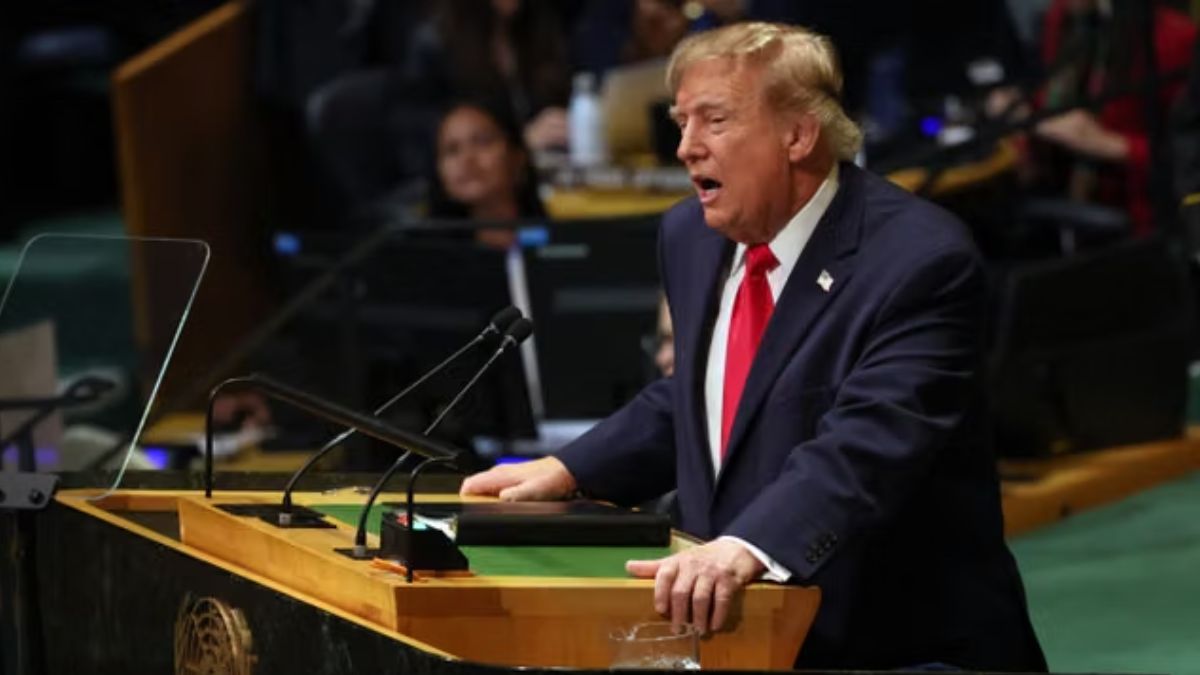
Trump’s UN Speech Threatens Iran and Promotes ‘Super Intelligence’
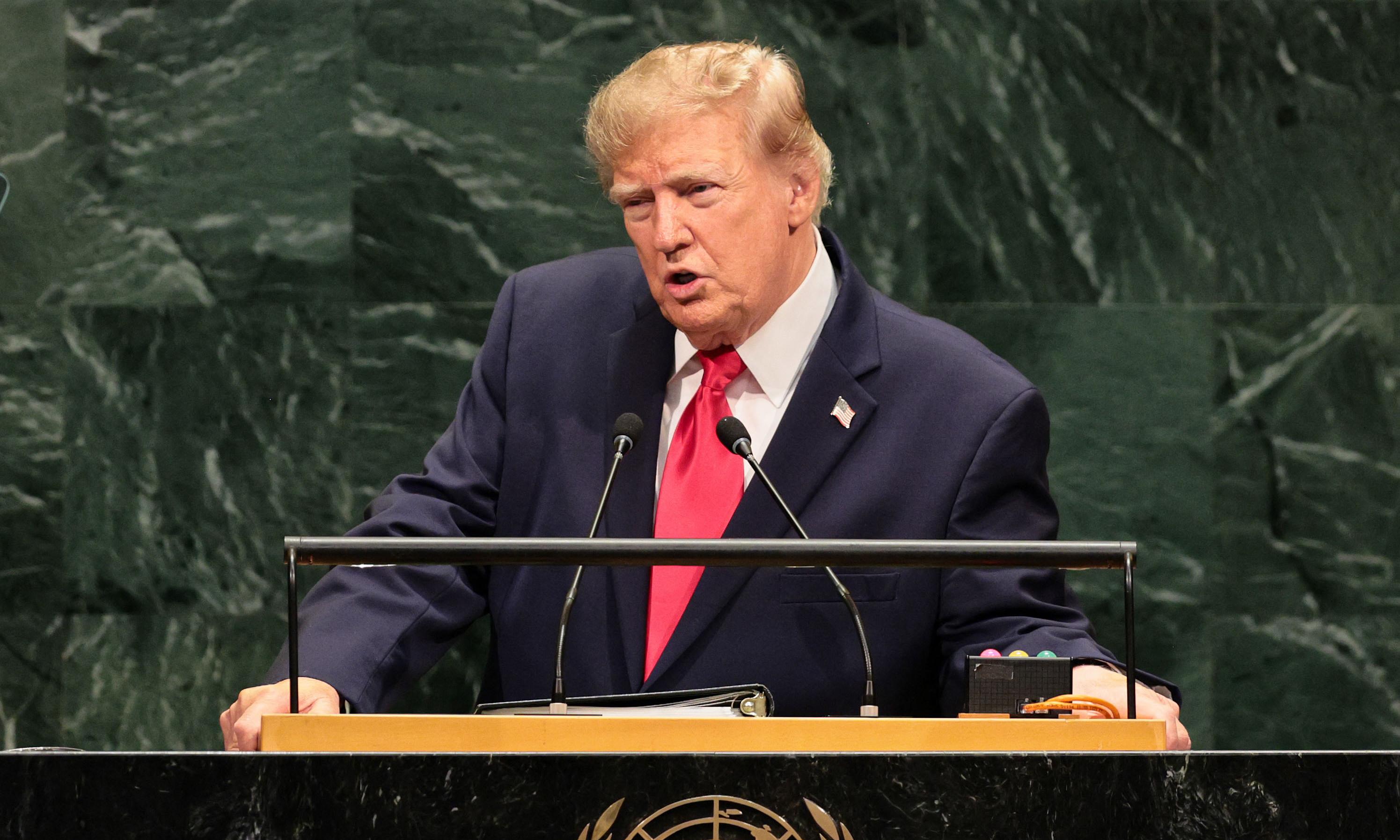
Trump Threatens Iran’s Annihilation While Defending War at UN
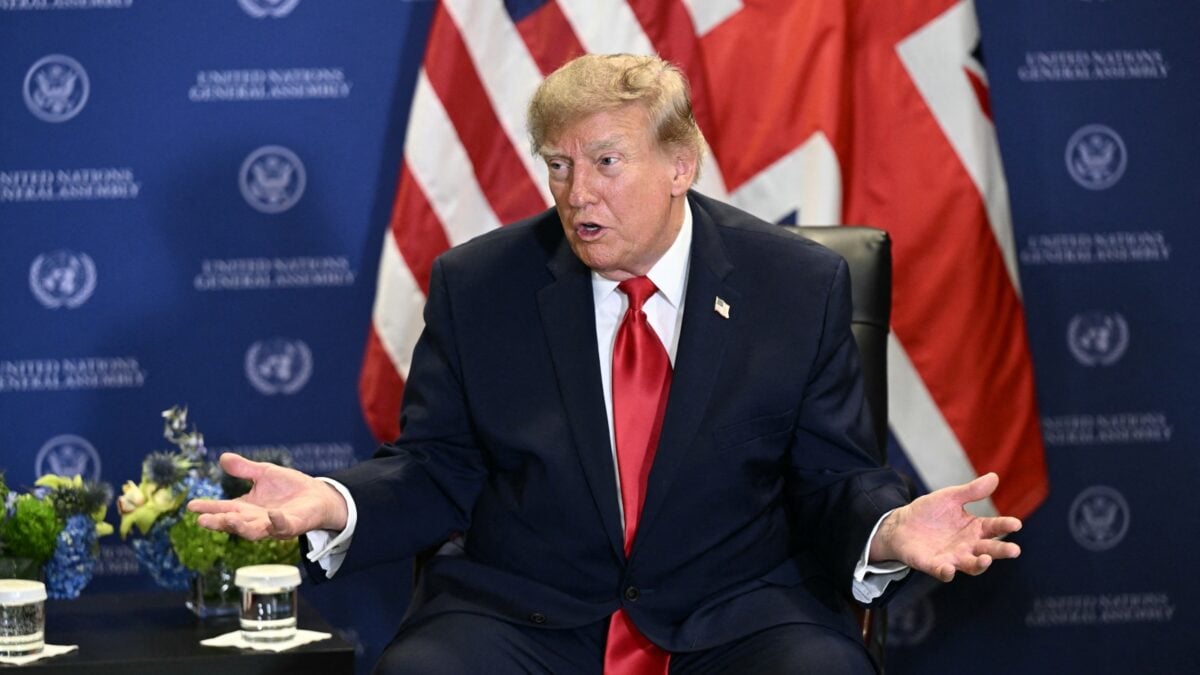
Trump Says US and Iran Hold Productive UN Talks
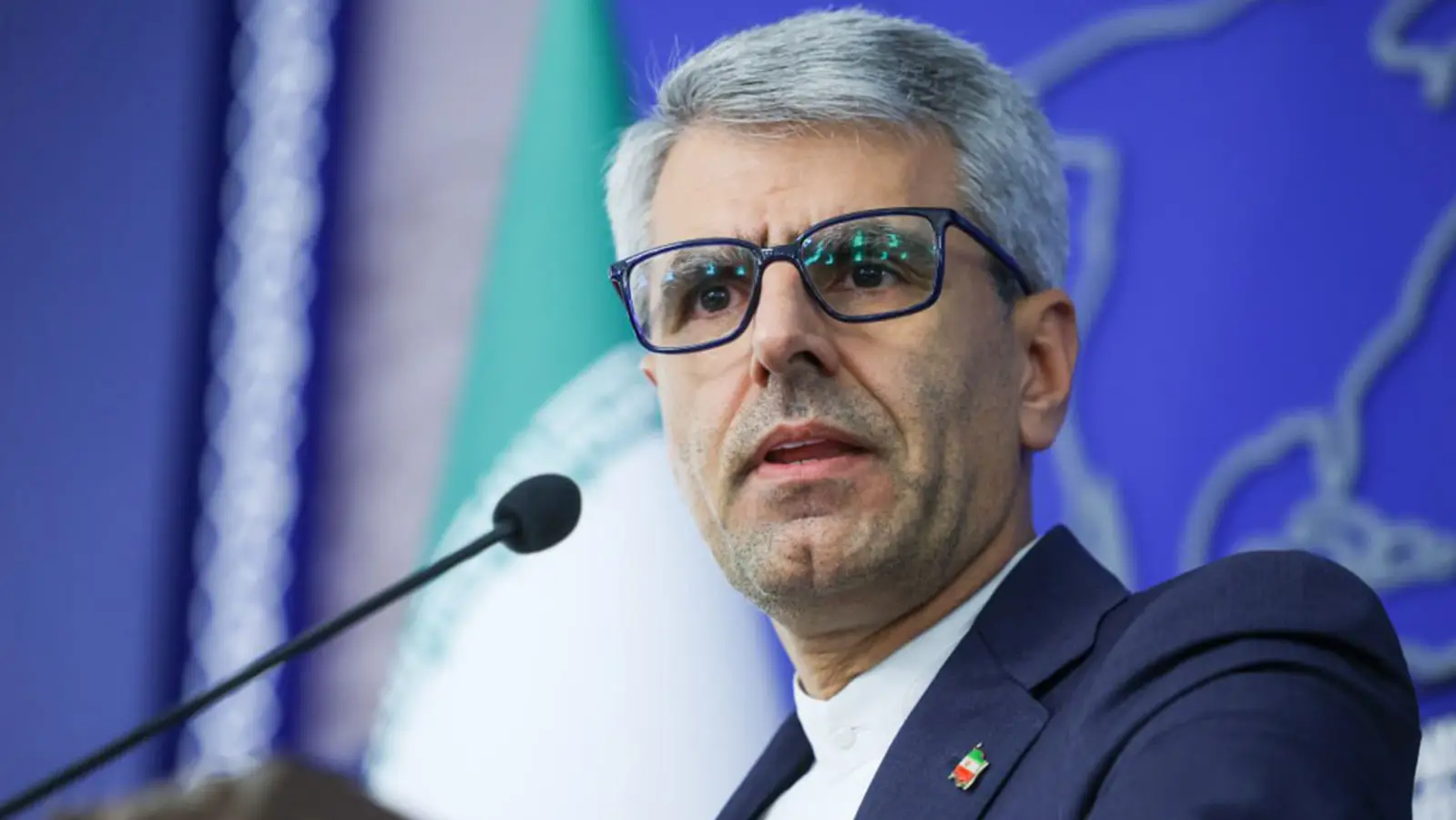
Iran Condemns Trump's Annihilation Threat as International Crime Admission
Iran Condemns Trump’s Annihilation Threat as Domestic Propaganda

Trump Threatens Annihilation as UN Diplomacy Seeks Iran Deal
Mother describes moments after Venezuelan man shot by ICE
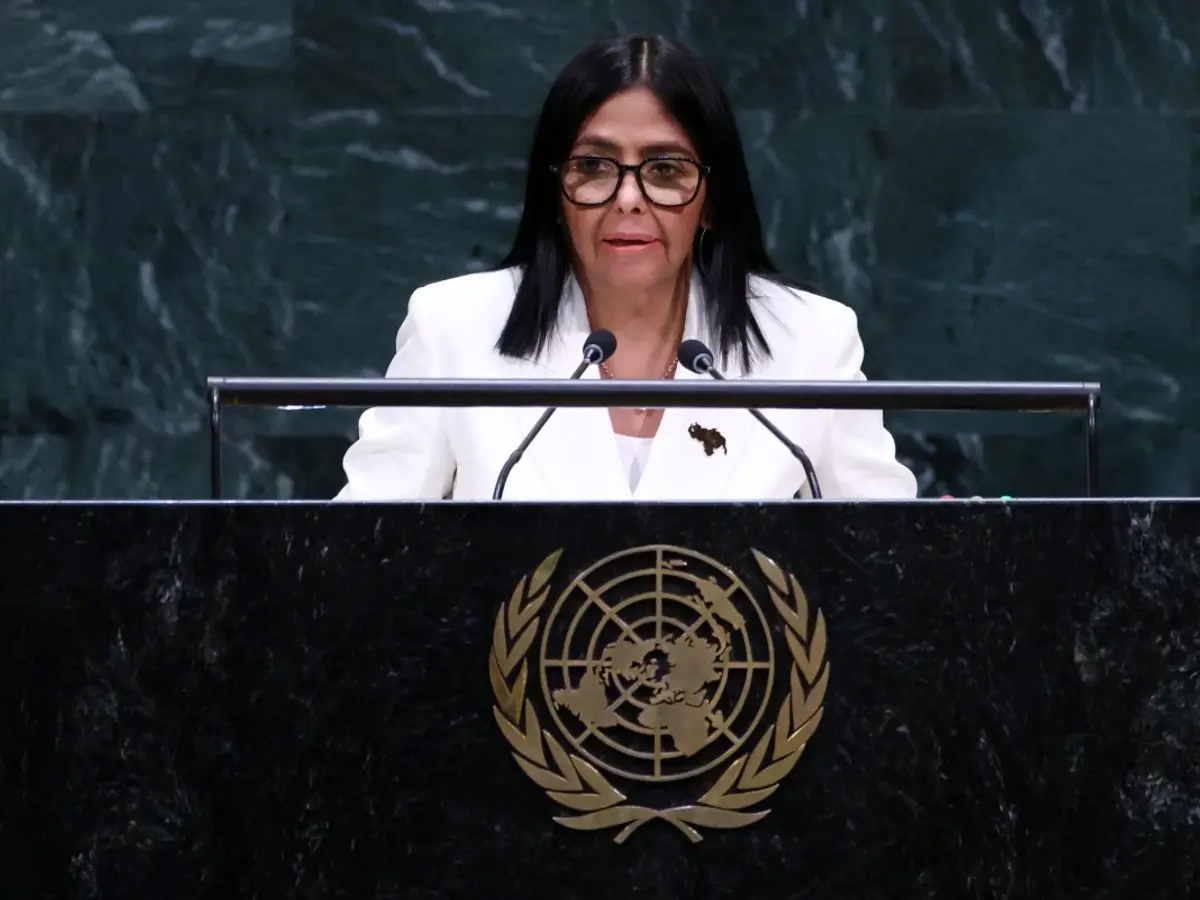
Venezuela’s Interim Leader Promises Elections for Democratic Transition
Trump, Rodriguez Discuss Venezuela Debt Restructuring, Rubio Says
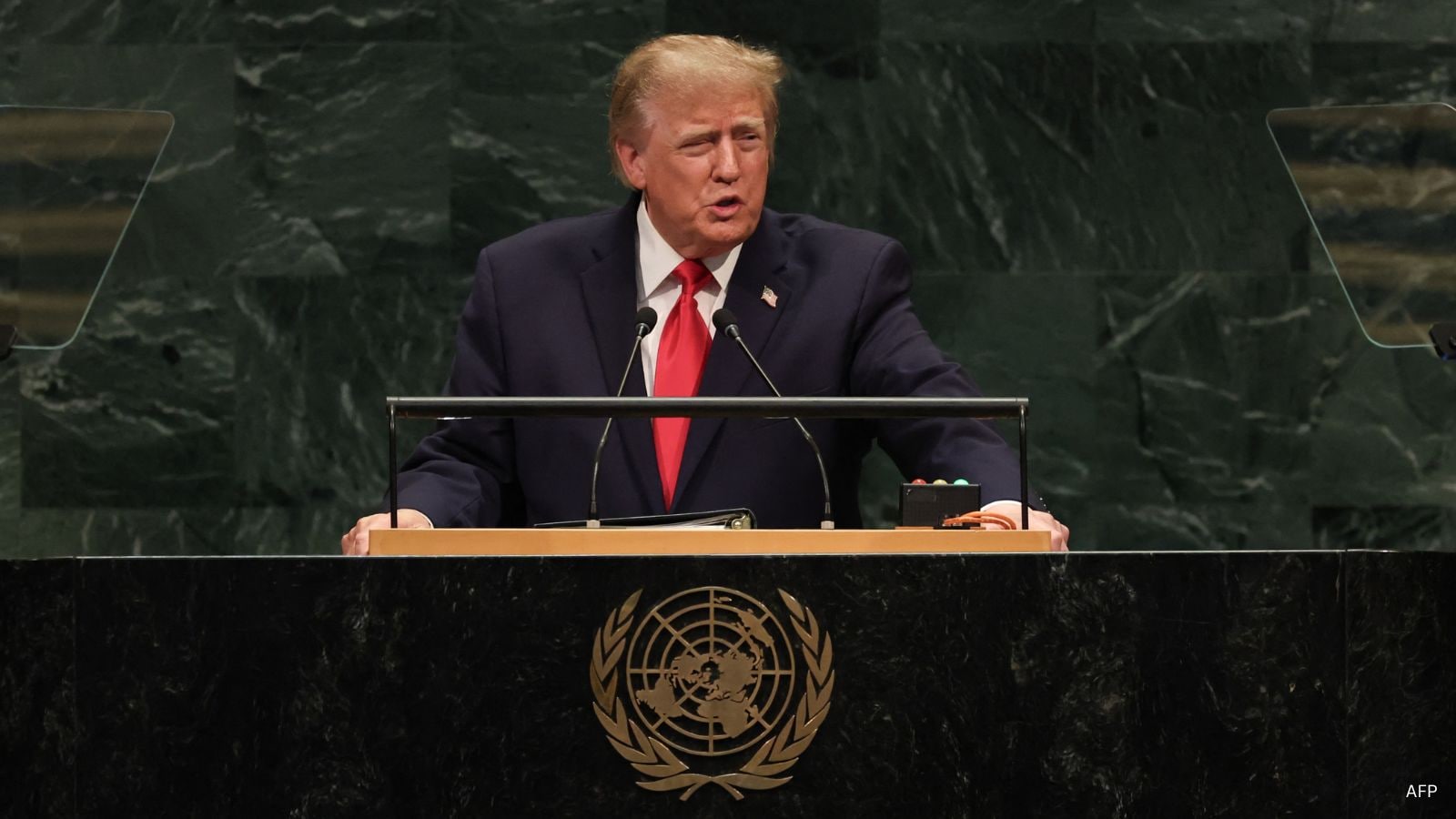
Fact Check: Trump’s UN Speech Made Several Misleading Claims