Archive · 28 Dec 2025
Protest Economy in South Asia
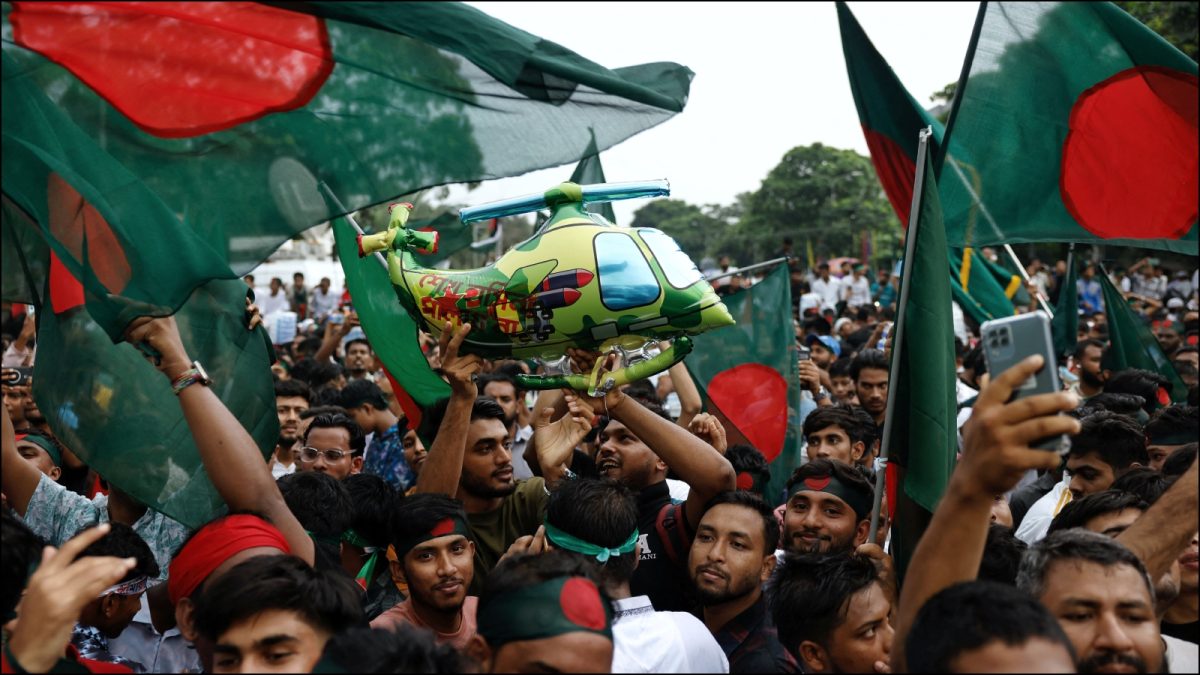
In South Asia, protests have changed from being just about local issues to being a way to get attention from other countries.
In Bangladesh, even though the economy was growing, people didn't trust the government, so they started protesting.
These protests often talk about big international issues because that gets more attention.
India is often mentioned in these protests because of its historical role in the region.
In Pakistan, similar things have happened, but the economy didn't grow as much as in Bangladesh.
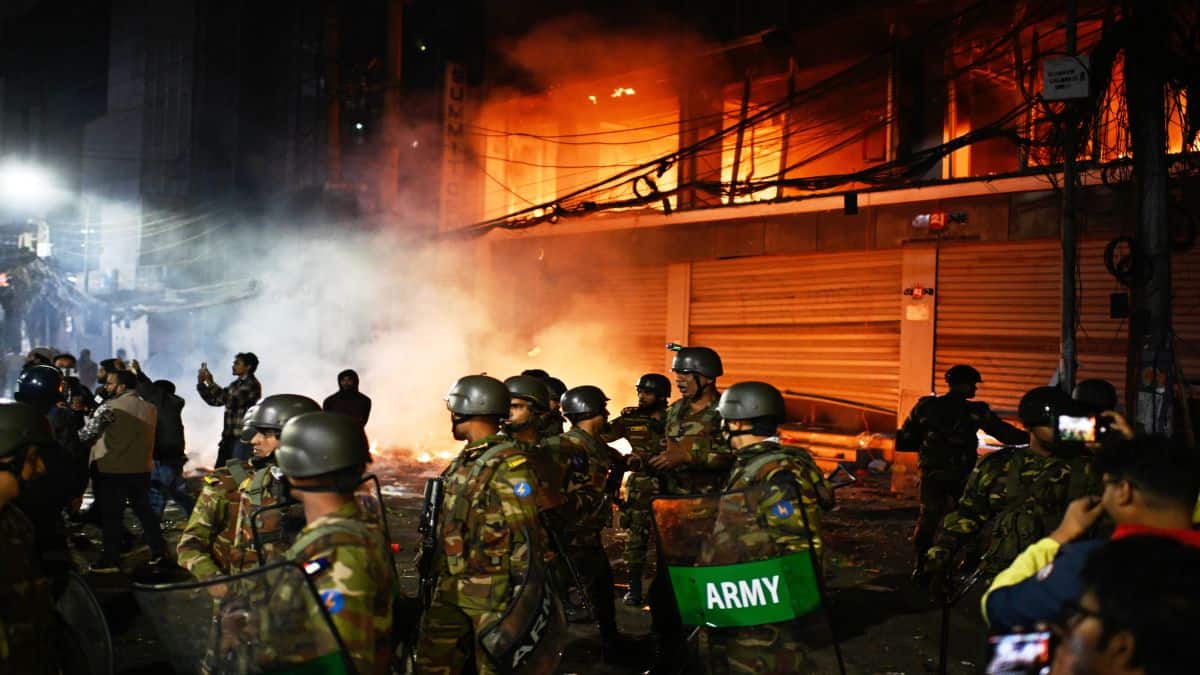
Protests often happen near embassies because it makes the news and forces reactions from other countries.
This can make problems bigger and harder to solve.
The article says that for things to get better, the governments need to fix their problems at home instead of just reacting to protests.

Protests in South Asia have evolved into tools for narrative warfare and international signaling.
Bangladesh's economic growth did not translate into institutional trust, leading to protests.
Protest language often escalates to geopolitical themes to gain more attention and reach.
India is frequently referenced in Bangladeshi protests due to its historical role in the region.
Protests near embassies are a strategic choice to amplify grievances and force international reactions.
- Who
- Youth cohorts and citizens in South Asia
- What
- Protests and unrest due to economic stress and political issues
- When
- From 2022 to 2026
- Where
- South Asia, particularly Bangladesh, Pakistan, and India
- Why
- Macroeconomic stress, unemployment, and political grievances
- Bangladesh GDP Growth
- 6% average from 2010 to 2022
- Bangladesh Export Earnings
- $50 billion
- Bangladesh Poverty Reduction
- Significant decline
- Pakistan's Per-Capita GDP
- $1,643 in 2024
- Bangladesh's Per-Capita GDP
- $2,625 in 2024
- Protest Targets
- Embassies and diplomatic missions
- Protest Logic
- Narrative amplification over policy change
- Bangladesh Election
- Scheduled for early 2026