

Archive · 13 Sep 2026
Saudi Arabia Faces Houthi Gains, Oil Disruptions, Uncertain U.S. Support
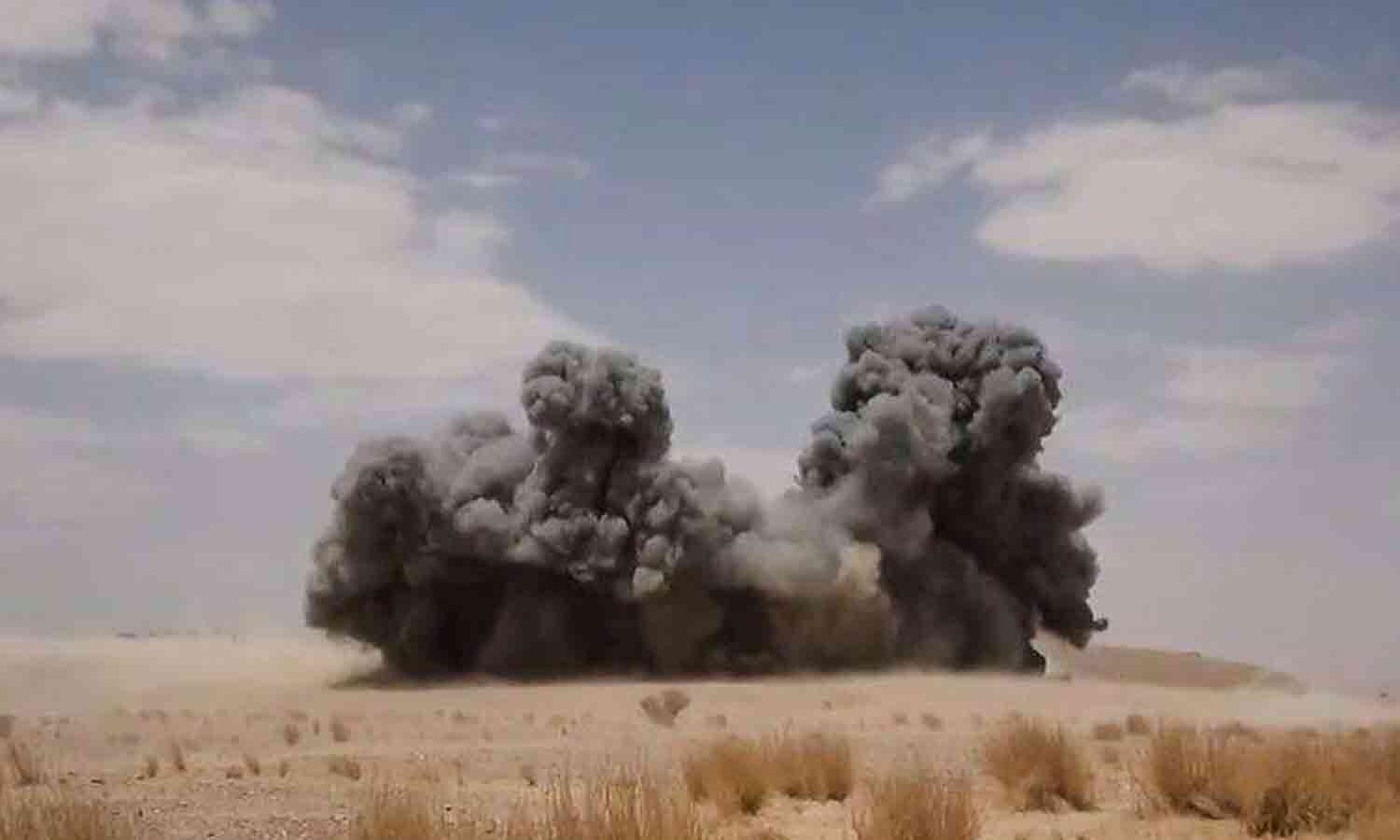
Saudi Arabia is facing attacks and pressure from groups linked to Iran.
Houthi rebels in Yemen captured places near an important Red Sea shipping route.
This could make it harder for Saudi Arabia to move and sell oil.
Drone attacks linked to Iraqi militias also caused Saudi Arabia to close a major oil pipeline.
Saudi oil shipments to Asia dropped sharply before partly recovering.
Saudi Arabia could fight back, but that might cause more attacks and prolong the conflict.
It could also try to negotiate with the Houthis or Iran, but those talks could require difficult concessions.
Saudi leaders want help from the United States, but the White House has not said whether it will intervene in Yemen.

Houthi rebels seized Mokha and a Red Sea island, threatening Saudi shipping through the Bab el-Mandeb Strait.
Saudi Arabia closed an east-to-west oil pipeline after drone attacks blamed on Iran-backed Iraqi militias.
Saudi oil exports to Asia fell from about 3.4 million barrels per day in June to 128,000 in August, then recovered to 700,000.
Riyadh could escalate militarily or pursue diplomacy, but analysts say both options carry major costs and uncertain outcomes.
Saudi officials say they will defend the kingdom with partners, while the White House has not confirmed intervention in Yemen.
- Who
- Saudi Arabia, Houthi rebels, Iran-backed Iraqi militias, Iran, the United States, and Yemen’s Saudi-backed government forces.
- What
- Saudi Arabia is facing Houthi territorial gains, attacks on oil infrastructure, disrupted shipping routes, and uncertain American support.
- When
- The latest developments were reported on September 12, 2026; tensions with the Houthis reignited in July, and the latest seizures occurred over the preceding two days.
- Where
- The events involve Saudi Arabia, Yemen, the Red Sea, the Bab el-Mandeb Strait, the Strait of Hormuz, and Iraq.
- Why
- Houthi and Iran-linked attacks are increasing pressure on Saudi shipping and energy infrastructure, while the United States appears reluctant to expand its regional military involvement.
Arguments for action
Arguments for restraint
Military response
Arguments for action
Saudi Arabia could increase military operations to try to dislodge the Houthis and protect its shipping and energy infrastructure.
Arguments for restraint
Analysts warn that escalation could prolong the conflict and trigger heavier Houthi attacks, especially because Houthi weapons are more sophisticated and Saudi interceptor supplies may be lower.
Diplomatic approach
Arguments for action
Saudi Arabia could negotiate with the Houthis or their supporters in Tehran to reduce immediate tensions.
Arguments for restraint
The Houthis demand an end to the Saudi-led blockade, while Iran may have little incentive to stabilize the region without major U.S. concessions.
U.S. intervention
Arguments for action
Saudi officials say the kingdom will work with partners, including the United States, to defend itself and ensure freedom of navigation in the Red Sea.
Arguments for restraint
U.S. forces are heavily deployed around the Strait of Hormuz, military supplies have been strained, and President Donald Trump appears reluctant to launch another campaign in Yemen.
- Houthi territorial gains
- The Houthis seized the port city of Mokha and a Red Sea island from Saudi-backed Yemeni government forces.
- Pipeline closure
- Saudi Arabia shut a pipeline carrying oil from eastern fields to the Red Sea after drone attacks originating in Iraq.
- Asian oil exports
- Exports fell from approximately 3.4 million barrels per day in June to 128,000 in August, then recovered to about 700,000 in September.
- Previous Yemen conflict
- Saudi Arabia fought the Houthis beginning in 2015; the conflict killed an estimated 150,000 people and continued until a 2022 ceasefire.
- Alternative export routes
- Saudi oil can reach Europe through Egypt’s SUMED pipeline and the Suez Canal, or Asia through the Bab el-Mandeb and toward the Indian Ocean.
- U.S. position
- The White House did not respond to a request for comment on possible intervention in Yemen, and analysts questioned whether consistent U.S. support would be available.
