

2 hrs ago
SEBI Settlement Overhaul Separates Fund Recovery From Settlement Payments

SEBI is changing how companies can settle certain regulatory cases.
Under the proposal, paying a settlement amount is different from returning money allegedly taken from a company.
Money returned to the company is meant to help shareholders.
A separate settlement payment goes to the government’s Consolidated Fund.
Disgorgement, when applicable, is also handled separately and generally goes to an investor protection fund.
This means returning ₹100 crore would not automatically count as paying a ₹100 crore settlement.
Companies may be able to ask for settlement earlier, before receiving a formal show-cause notice.
SEBI also wants clearer formulas and the ability to cancel settlements when information was false or requirements were not followed.
More details will be provided in a later circular.

SEBI’s revised framework will separate recovery of allegedly diverted funds from regulatory settlement payments.
Settlement amounts go to the Consolidated Fund of India, while disgorgement generally goes to the Investor Protection and Education Fund.
Returning diverted money to a company will not ordinarily replace settlement payments or applicable disgorgement.
The framework proposes pre-show-cause-notice settlements, revised calculation rules and a revocation provision for misrepresentation or non-compliance.
SEBI said operational details on recovery, disgorgement and shareholder restitution will follow in a subsequent circular.
- Who
- The Securities and Exchange Board of India, its chairman Tuhin Kanta Pandey, lawyers and companies involved in regulatory proceedings.
- What
- SEBI has proposed a revised settlement framework separating fund recovery, disgorgement and shareholder restitution from regulatory settlement payments.
- Where
- India, under the regulatory framework of the Securities and Exchange Board of India.
- When
- The framework was reported on September 28, 2026.
- Why
- The changes are intended to improve predictability, enable earlier settlements, reduce parallel proceedings and ensure that allegedly diverted funds are returned separately to companies or shareholders.
Reform Supporters
Legal Cautions
Earlier settlements
Reform Supporters
SEBI and supporting lawyers said pre-show-cause settlement could let entities approach the regulator earlier and reduce the time and cost of parallel proceedings.
Legal Cautions
A lawyer cautioned that the proposed lower pre-show-cause factor may not produce a substantially lower payment because the default’s nature and other factors will also affect the calculation.
Recovery and settlement
Reform Supporters
SEBI officials and lawyers said separating the processes could improve shareholder recovery by requiring restoration, disgorgement and remedial measures independently where appropriate.
Legal Cautions
Legal experts emphasized that the operational framework for calculating recovery, disgorgement and shareholder restitution is not yet detailed, leaving implementation questions for a later circular.
Key facts
- Regulator
- Securities and Exchange Board of India (SEBI)
- Publication date
- September 28, 2026
- Settlement recipient
- The Consolidated Fund of India
- Disgorgement recipient
- Generally, the Investor Protection and Education Fund
- Fund recovery
- Recovery of allegedly diverted money remains separate from the settlement amount
- Proposed early route
- A settlement notice could be issued before a show-cause notice in certain cases
- Future detail
- SEBI plans to specify operational rules through a subsequent circular
Quotes

Tuhin Kanta Pandey
Chairman of SEBI
“The biggest beneficiary is that shareholders will get money with interest back into the company.”
 thehindubusinessline.com
“The earlier you come for settlement, the lesser you pay.”
thehindubusinessline.com
Gazal Rawal
Partner at Cyril Amarchand Mangaldas
“Settlement amount will be based on prescribed formula having regard to the nature of defaults and payable to settle such default and resolve the matter.”
thehindubusinessline.com
Sources
Related news

SEBI Revamps Settlement Rules With Formula and Fast-Track Access

SEBI Fast-Tracks Low-Value Settlements, Eases Rules for FPIs
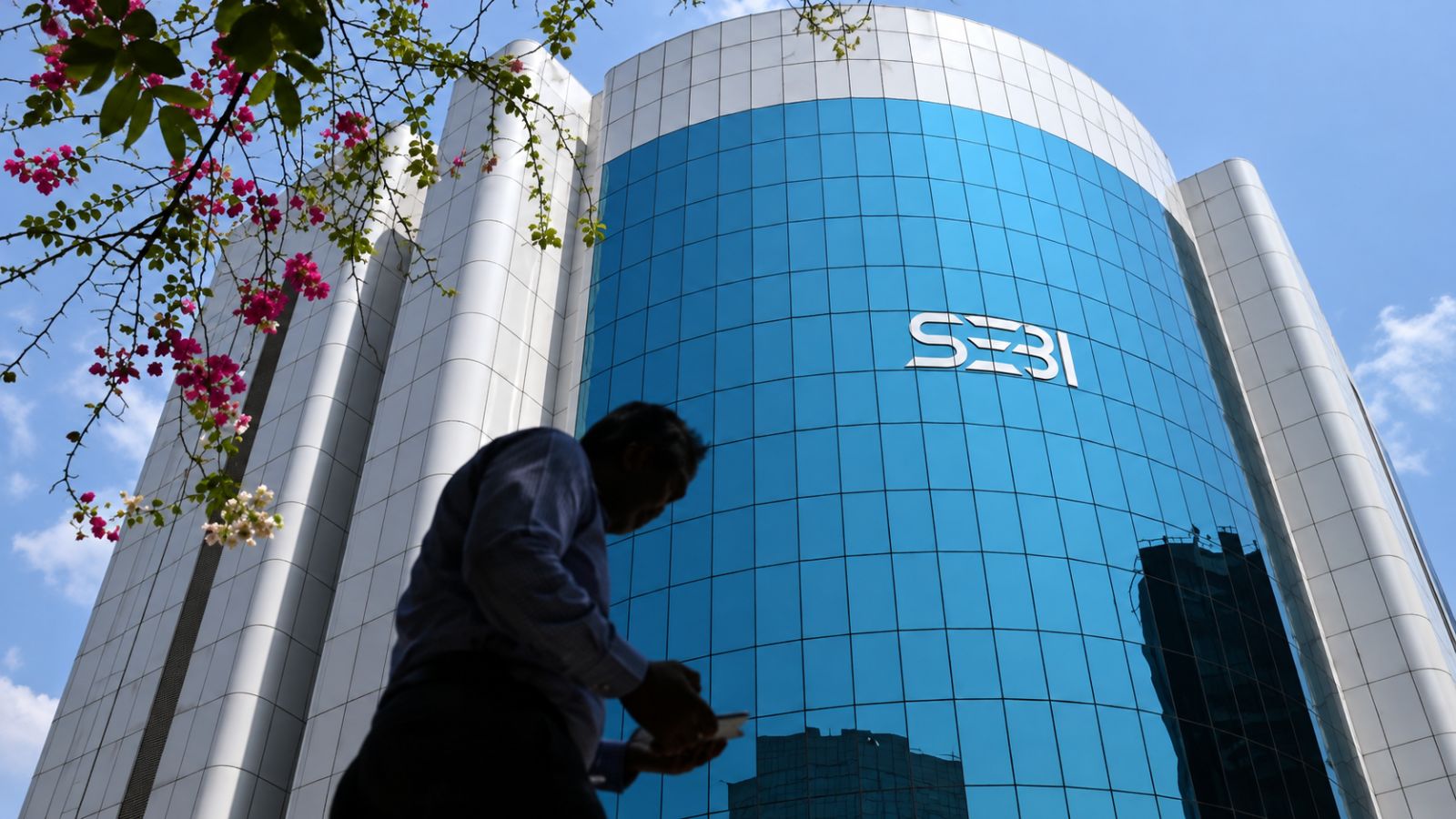
SEBI Changes Settlement Rules, Approves Common Advertising Code
SEBI Begins Hearings Over Alleged Adani-Hindenburg Trading Gains

Supreme Court Closes SEBI Cases After NSE Settlement

SEBI Proposes Net Settlement for Mutual Fund Cash Trades

Petition Seeks Suspension of CEC Over Election Commission Decisions

Telangana Courts Rule on Bail, Local Status and Judicial Appointments

Andhra Pradesh to Press Three Water Demands at KRMB Meeting

Supreme Court Orders Delhi Safety Audit of Vulnerable Areas
Constitutional Offices and Political Careers Raise Institutional Independence Questions
