

Archive · 28 Oct 2025
UPSC Polity and Governance Quiz Covers Minor Property Laws and Union Territory High Courts
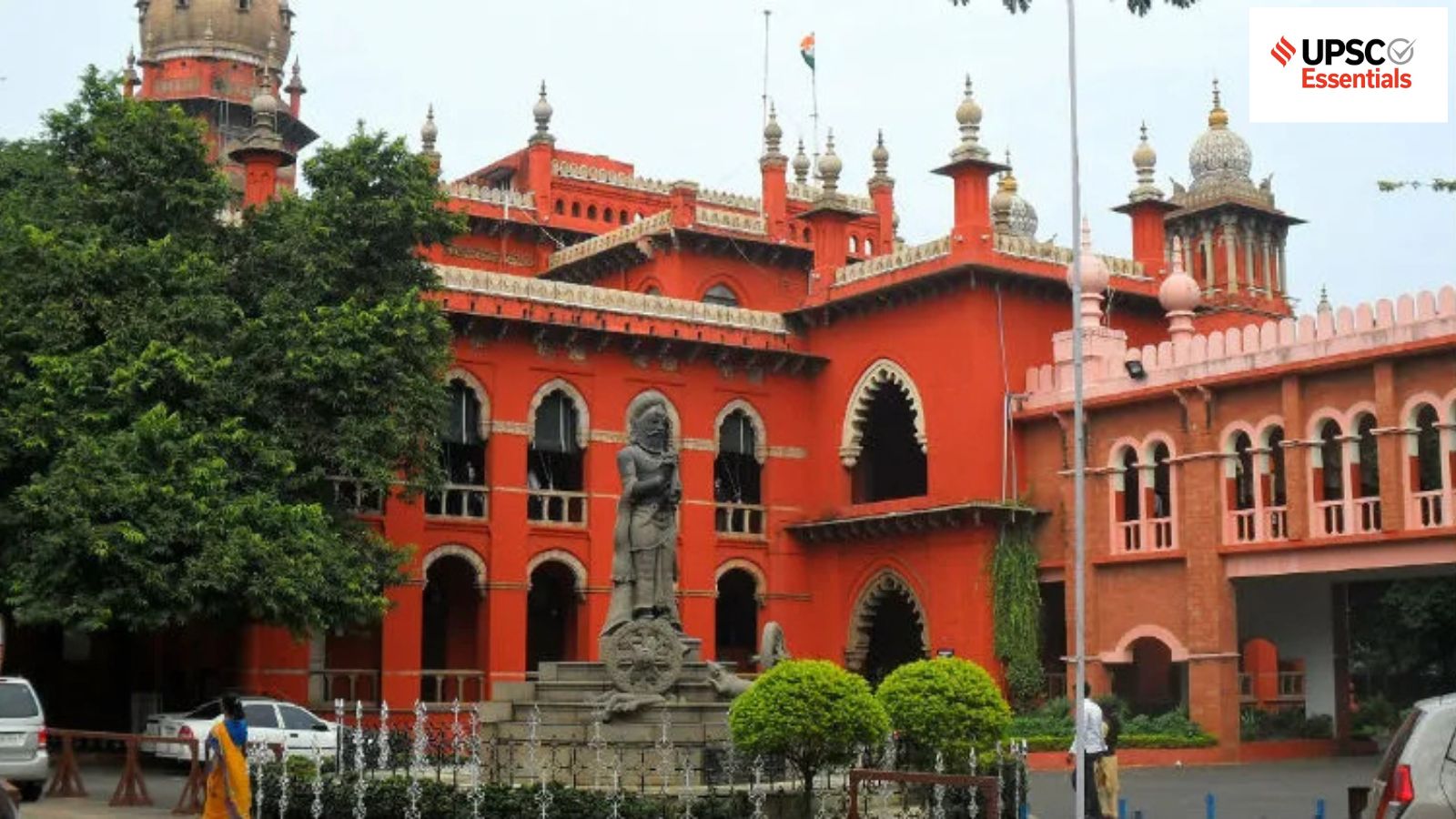
Imagine you're preparing for a big exam in India.
This article is like a practice test for the law and government part of that exam.
It asks questions about who can buy and sell property for kids, and which parts of India have their own special courts.
It also checks if you know where the rules about paying politicians are written down.
Plus, it asks about how the country's big rulebook, the Constitution, can be changed and if some groups of people have special rights to build their own schools.
It explains the answers to help you learn better.

Laws governing property acquired by minors through guardians involve the Indian Contract Act 1872, Hindu Minority and Guardianship Act 1956, and Guardian and Wards Act 1890.
Only Delhi among Union Territories has its own High Court; others are served by High Courts of adjacent states or have Parliament-established courts.
Article 106 of the Constitution of India specifies the salaries and allowances for Members of Parliament.
Constitutional amendments require different majority types: simple majority, special majority (two-thirds), or special majority with state ratification.
Minorities have the right to establish educational institutions, but religious instruction is prohibited in institutions fully funded by the state.
- Who
- UPSC (Union Public Service Commission) aspirants
- What
- Daily subject-wise quiz on Polity and Governance, focusing on specific legal and constitutional matters.
- When
- Ongoing, part of UPSC Essentials initiative.
- Where
- Primarily relevant for Indian Civil Services preparation.
- Why
- To help aspirants revise important topics from the static part of the syllabus and check their progress.
- Laws on Minor Property Acquisition
- Indian Contract Act 1872, Hindu Minority and Guardianship Act 1956, Guardian and Wards Act 1890
- High Courts for Union Territories
- Delhi has its own High Court. Madras HC serves Puducherry. Bombay HC serves Dadra & Nagar Haveli and Daman & Diu. J&K and Ladakh HC serves both. Parliament can establish High Courts for UTs by law.
- Salaries and Allowances of MPs
- Article 106 of the Constitution of India
- Constitutional Amendment Procedures
- Simple majority for some provisions, special majority (2/3rds present and voting) for others like Fundamental Rights, and special majority plus ratification by states for certain provisions.
- Minority Educational Institutions
- Minorities have the right to establish and administer educational institutions of their choice.
- Religious Instruction in State-Funded Institutions
- Not permitted in institutions wholly maintained out of State funds.