

Archive · 27 Oct 2025
Sylvia Plath's Legacy in the Age of Oversharing
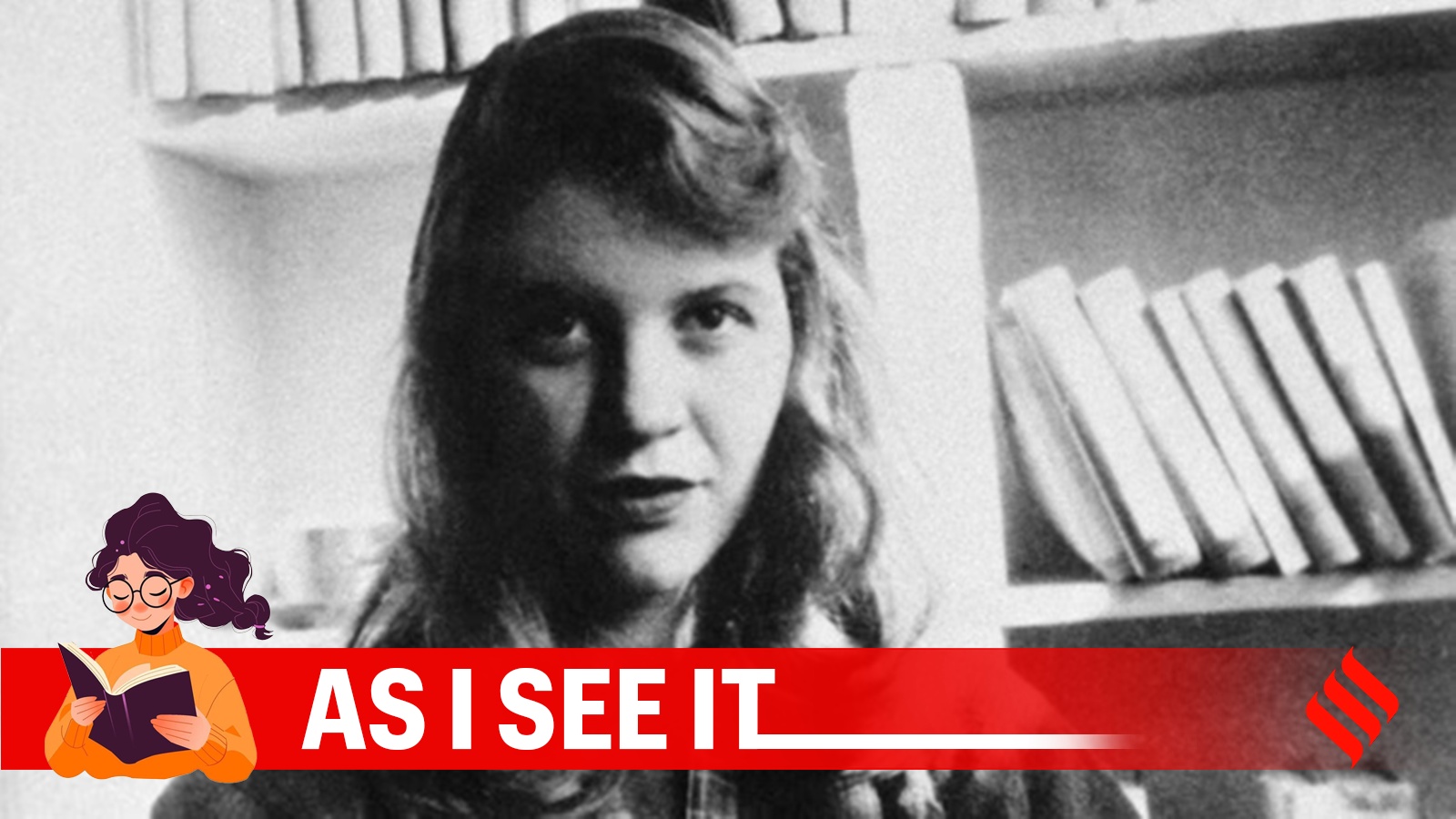
Sylvia Plath, a famous writer from the past, wrote poems and stories that were very personal.
Today, people share a lot about themselves online.
The article looks at how Plath's writing compares to this modern 'oversharing.'
Plath's work was powerful because she controlled her emotions in her art.
Now, sharing online is easy, but it can make real feelings seem less important.
People now use her work to talk about how they feel.
Plath's writing still speaks to us because it shows how sharing can connect us but also be risky.

Sylvia Plath's confessional writing is compared to today's culture of oversharing.
Plath's work is valued for its precision, restraint, and creation of empathy.
Social media makes self-revelation common, potentially diminishing its impact.
Plath's work highlights the tension between visibility and the expectations placed on women.
Her legacy has become part of a digital confessional.
- Who
- Sylvia Plath
- What
- Exploration of her legacy in the age of oversharing and social media.
- When
- Born in 1932, and her relevance in the present.
- Where
- Born in Boston.
- Why
- To examine how her work resonates with modern culture's embrace of confession.
- Born
- October 27, 1932, in Boston
- Died
- 1963
- Nationality
- American
- Known for
- Poems and Journals
- Notable Work
- "The Bell Jar", "Daddy", and "Lady Lazarus"