Archive · 30 Sep 2026
Corn Silk Kidney Claims Face Scrutiny From Medical Experts
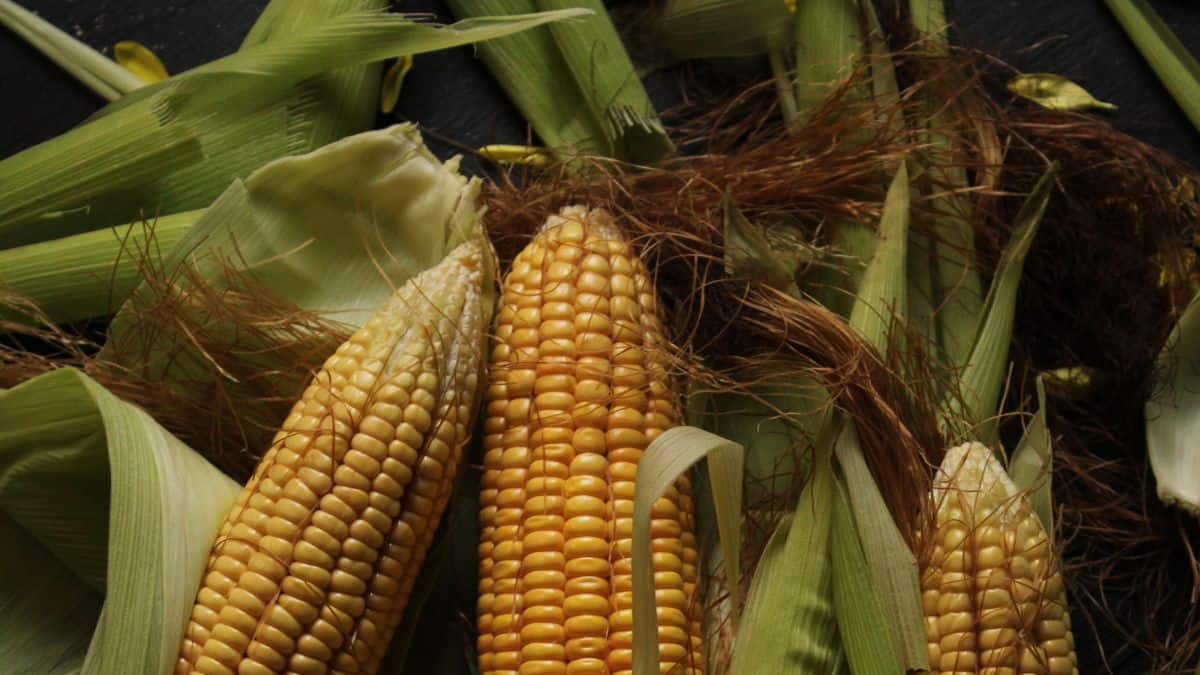
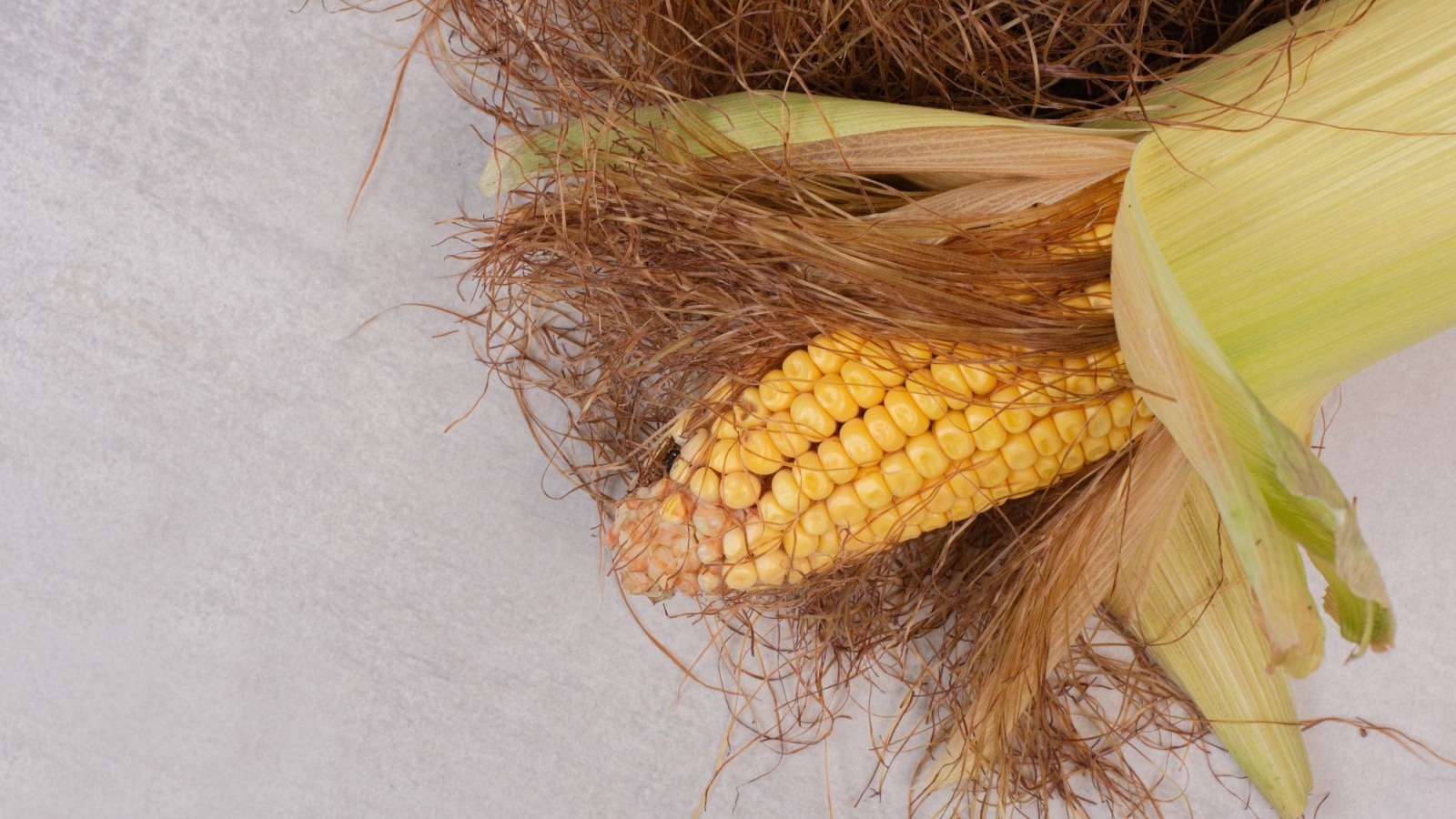
Corn silk is the soft, threadlike material around an ear of corn.
Some people boil it in water and drink it as a home remedy.
Wellness coach Radhesa says it may make people urinate more and help the urinary system.
Doctors and dieticians say this idea has not been proven to treat kidney disease.
One small study found no clear increase in urine production.
Another review found possible blood-pressure benefits, but its studies had important weaknesses.
More urine does not automatically mean that the kidneys are working better.
Corn silk should not replace antibiotics or medical care for infections, kidney stones or warning symptoms.
People with kidney problems or certain medicines should ask a healthcare professional before using it.

Wellness coach Radhesa called corn silk a diuretic and promoted it for kidney, liver, bladder and urinary concerns.
Dr Urmila Anandh says laboratory and animal findings do not prove that corn silk repairs human kidneys or treats kidney disease.
A study of 38 volunteers found no significant change in urine output or sodium and potassium excretion after one week.
A 2019 review of five trials involving 567 people found possible blood-pressure benefits, but the studies were generally methodologically weak.
Experts warn about medicine interactions and risks for people with kidney disease, fluid restrictions, pregnancy, corn allergies or confirmed urinary infections.
- Who
- Wellness coach Radhesa promoted corn silk; nephrologist Urmila Anandh and dietician Kanikka Malhotra assessed the evidence and safety.
- What
- The articles examine whether corn silk water can support kidney health, increase urination, prevent stones or reduce urinary problems.
- When
- Radhesa discussed the claims in a recent video and Instagram post; the articles provide no specific date.
- Where
- The claims were shared online, while Urmila Anandh’s comments came from Amrita Hospital in Faridabad.
- Why
- Corn silk is being promoted because it may have diuretic and other plant-compound effects, but experts say available human evidence is limited.
Wellness and traditional-use claims
Evidence-based medical caution
Kidney support
Wellness and traditional-use claims
Radhesa described corn silk as medicine for the kidneys, liver and bladder and said its diuretic effect increases urine flow. Malhotra said mild diuresis and plant compounds may support fluid balance or have modest blood-pressure effects.
Evidence-based medical caution
Anandh says laboratory and animal findings do not establish that a homemade drink repairs human kidneys. Malhotra says supporting kidney function through mild diuresis is not the same as reversing kidney disease.
Evidence of diuretic action
Wellness and traditional-use claims
Corn silk is traditionally promoted as a way to increase urination and potentially reduce urinary mineral concentration.
Evidence-based medical caution
A study of 38 volunteers found no significant change in urine output or sodium and potassium excretion after one week, challenging the assumption that it reliably flushes the kidneys.
Kidney stones and urinary infections
Wellness and traditional-use claims
Malhotra says greater urine flow could help reduce the likelihood of new kidney stones and may potentially reduce UTI risk; corn silk tea may also help people drink more fluid.
Evidence-based medical caution
Corn silk cannot dissolve existing stones and is not a treatment for active stone passage. Confirmed or recurrent bacterial UTIs require medical evaluation and prescribed treatment, not herbal drinks alone.
Safety and regular use
Wellness and traditional-use claims
Supporters present a small amount of homemade corn silk water as a simple household preparation.
Evidence-based medical caution
Experts warn that homemade preparations vary in strength and have no established therapeutic dose for kidney disease. Corn silk may interact with medicines or lower potassium, and people with kidney conditions, fluid restrictions, pregnancy or corn allergy need particular caution.
- Alternative name
- Corn silk is also called corn hair.
- Preparation described
- Radhesa said she boiled a small amount of dried corn silk in about 250 millilitres of water for five minutes and strained it.
- Volunteer study
- A study involving 38 volunteers found no significant change in urine output or sodium and potassium excretion after one week.
- Blood-pressure review
- A 2019 review examined five randomised trials involving 567 people with hypertension and found possible benefits when corn silk tea was added to prescribed medicines.
- Kidney-stone claim
- Increased urine flow may help reduce the chance of new stones, but corn silk does not dissolve existing stones.
- Warning symptoms
- Burning urination, fever, blood in the urine or severe flank pain require medical assessment.
- Safety concerns
- Potential concerns include low potassium, stronger effects with prescription diuretics, kidney disease, dialysis, transplant, fluid restrictions, pregnancy and corn allergy.