Archive · 4 Oct 2026
Ship Transfers Lift India’s Gulf Oil Imports as Russian Supplies Tighten
India buys oil from several parts of the world.
In September, it bought less oil from Russia than in August, but Russia remained an important supplier.
India also bought more oil from several West Asian countries, including Iraq and Saudi Arabia.
Reports give somewhat different totals for those West Asian imports, partly because they count different groups of suppliers.
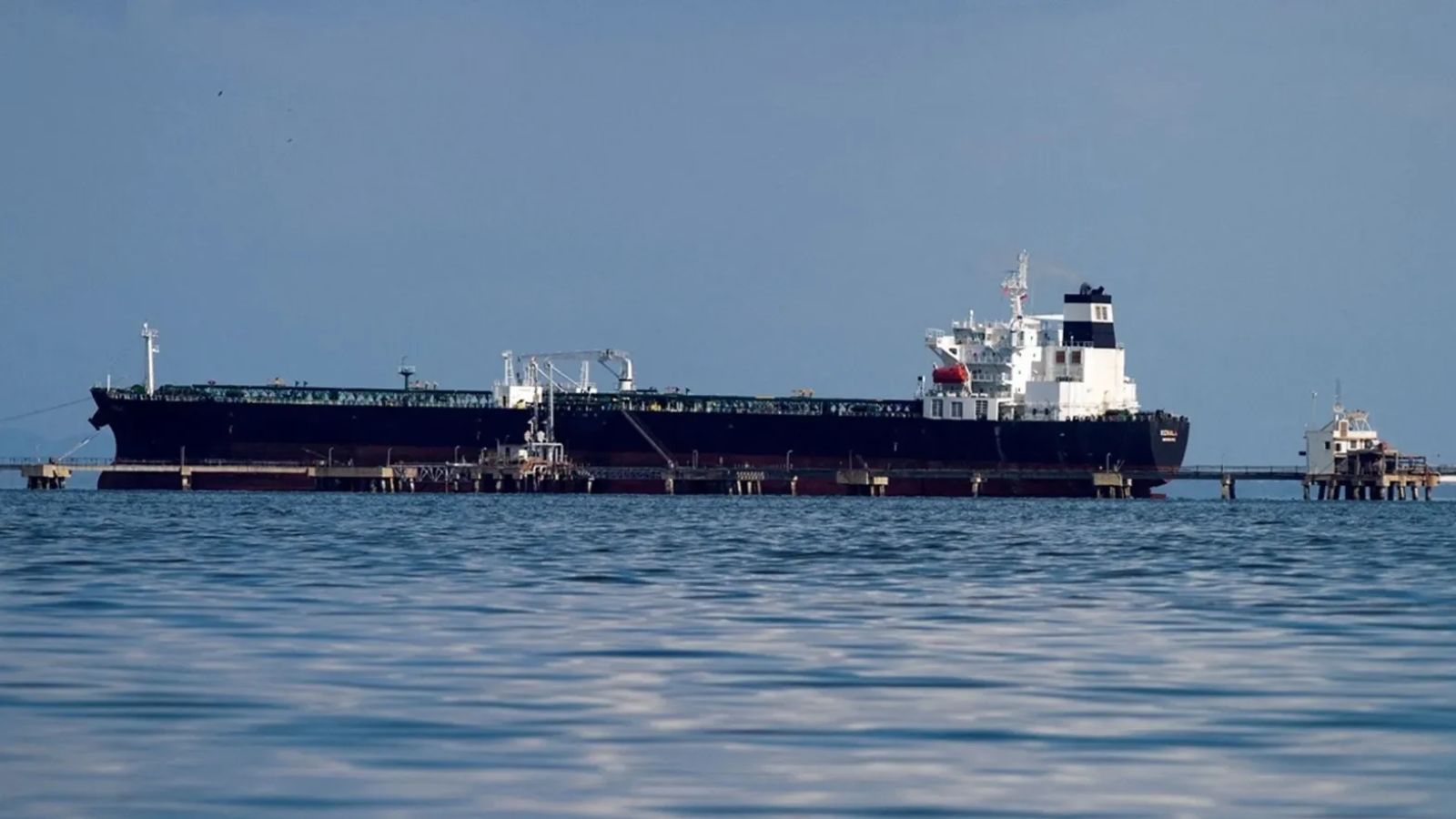
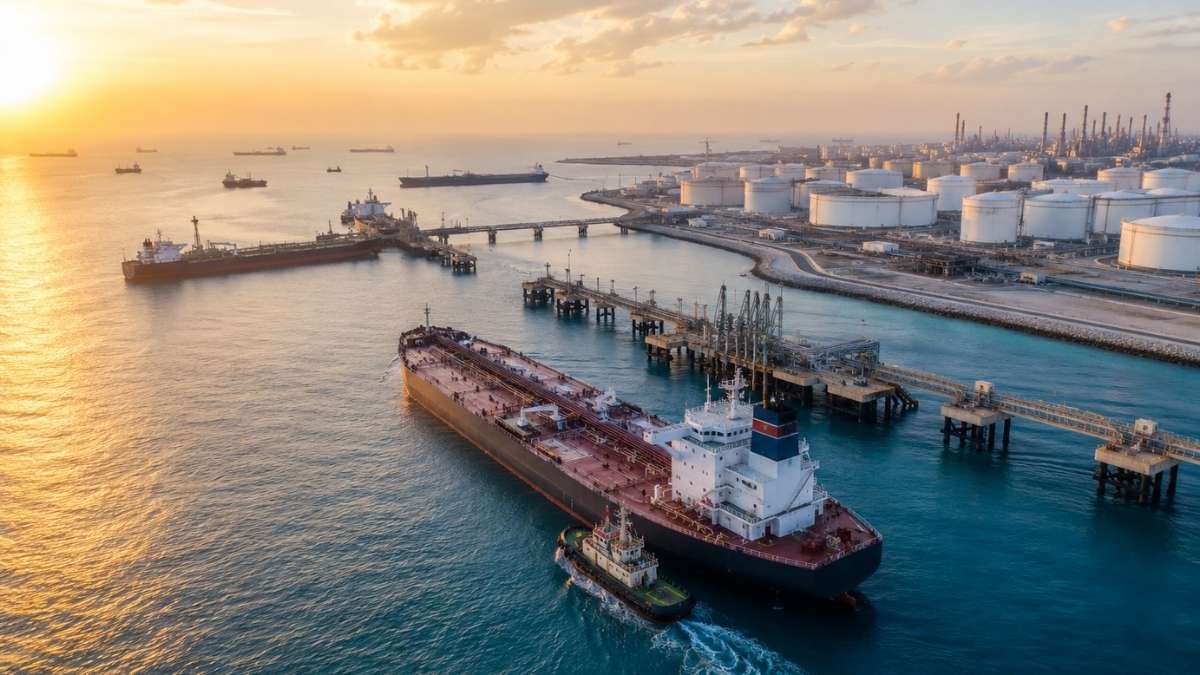
Some Gulf oil is moved between ships after passing through the Strait of Hormuz.
This can mean Indian buyers do not have to send their own ships as far into risky waters.
Russia has less oil available to export, and Chinese buyers are competing for some of it.
Uncertainty about possible US penalties is another concern for Indian refiners.
Buying from more places gives India alternatives, but shipping and supply risks remain.

India’s Russian crude imports fell for a second straight month in September, to about 1.9 million barrels per day from roughly 2.1 million in August.
West Asian imports rose sharply, though reported totals differ: one account puts them at 2.10 million barrels per day, while another gives about 2 million for five named suppliers.
Iraq, Saudi Arabia and Kuwait increased shipments; the UAE was among the suppliers whose volumes fell.
Trade sources said ship-to-ship transfers help move Gulf crude through the Strait of Hormuz while shifting much of the route’s risk from buyers to suppliers.
Analysts cited Chinese competition, reduced Russian export availability, infrastructure disruptions and US sanctions uncertainty as pressures on Russian crude flows.
- Who
- Indian oil importers and refiners, with supplies from Russia and West Asian countries.
- What
- Russian crude imports declined while West Asian shipments increased, with ship-to-ship transfers helping move Gulf oil.
- When
- September, compared with August; the articles also compare September with earlier months.
- Where
- India’s crude-oil trade, including Gulf shipments through the Strait of Hormuz and Russian export routes.
- Why
- The articles cite increased Gulf availability and ship-to-ship transfers, alongside tighter Russian supplies, Chinese competition and uncertainty over US sanctions.
Diversify while meeting energy needs
Reduce reliance on Russian crude
India’s approach to Russian oil
Diversify while meeting energy needs
India says its priority is meeting the energy needs of its 1.4 billion citizens through diversified sourcing.
Reduce reliance on Russian crude
Experts cited in the article say refiners should progressively reduce reliance on Russian crude and diversify further amid sanctions uncertainty and supply risks.
- Russian crude imports
- About 1.9 million barrels per day in September, down from about 2.1 million in August.
- Russian July peak
- About 2.8 million barrels per day, according to the second article.
- West Asian imports
- One article reports 2.10 million barrels per day in September, up 74% from 1.21 million in August.
- Five named West Asian suppliers
- The other article reports combined September imports of about 2 million barrels per day and a 36.7% share of India’s imports.
- Different West Asian share estimate
- The first article reports West Asia at 39.5% of India’s September crude imports; the articles use differing totals and supplier groupings.
- Strait of Hormuz
- About 40% of India’s crude imports normally pass through the strait, according to the first article.
- US sanctions law
- The second article says the Lindsey O Graham Sanctioning Russia and Iran Act allows the US president to impose tariffs of up to 100% on major buyers of Russian oil.