

Archive · 21 Jul 2026
Bajaj Auto's Adaptive Strategy Drives EV Success
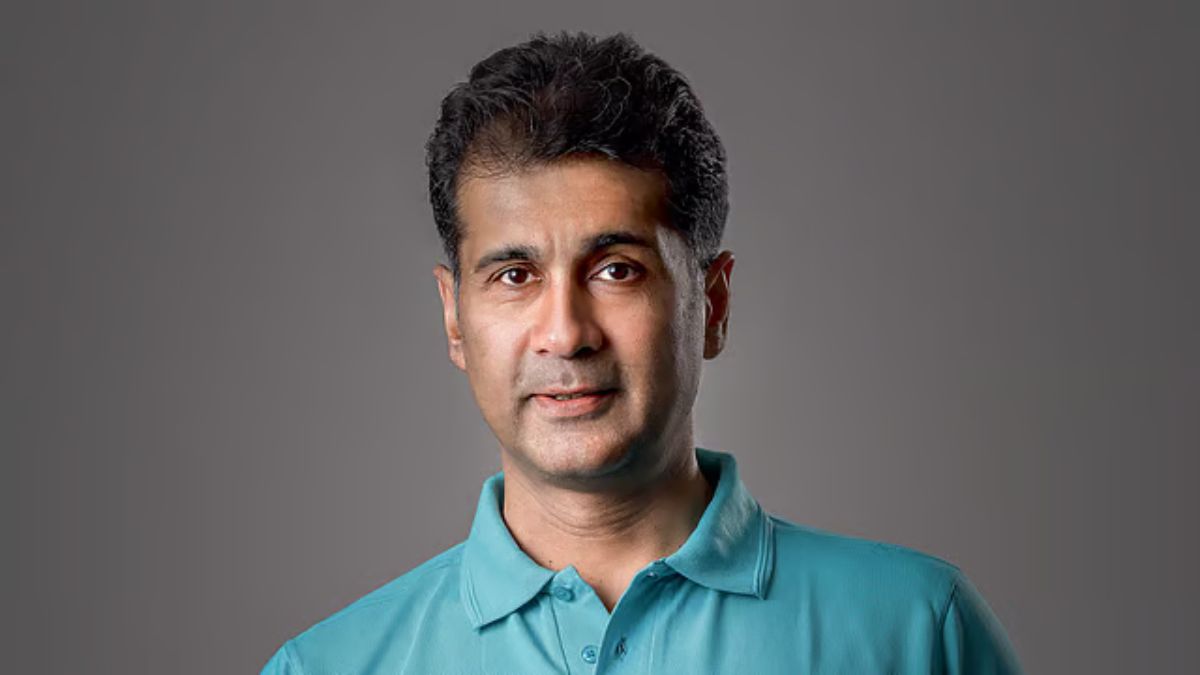
Rajiv Bajaj, the CEO of Bajaj Auto, says the company's success comes from its ability to adapt.
Bajaj Auto has changed from making scooters to motorcycles, expanded globally, and is now focusing on electric vehicles.
The company is projected to have half of its domestic sales from electric vehicles soon.
Bajaj believes that adapting to changes is key to survival.
The company is also restructuring internally to be more agile and encouraging employees to reach their full potential.

Bajaj Auto's success is attributed to its ability to adapt to market changes.
The company is transitioning to electric vehicles, with 50% of domestic sales projected to be electric.
Bajaj Auto has a 20% EBITDA margin and is restructuring internally for agility.
The Pulsar brand is valued at ₹11,000 crore and is exported to 108 countries.
Bajaj Auto is the largest combined manufacturer of electric two- and three-wheelers.
- Who
- Rajiv Bajaj, Managing Director and CEO of Bajaj Auto
- What
- Bajaj Auto's success attributed to adaptability and strategic shifts
- When
- During the Bajaj Group's centenary and Bajaj Auto's annual general meeting
- Where
- India
- Why
- To navigate the evolving landscape and foster agility
Legacy Companies
Startups
EV Market Leadership
Legacy Companies
Legacy companies like Bajaj Auto, Enfield, and TVS Motors are reclaiming dominance in the EV market through adaptation and strategic investments.
Startups
Startups initially generated significant buzz and were seen as potential leaders in the EV race.
- Company
- Bajaj Auto
- CEO
- Rajiv Bajaj
- EV Market Share
- 50% of domestic sales projected to be electric vehicles
- EBITDA Margin
- 20%
- Pulsar Brand Value
- ₹11,000 crore
- Exports
- 108 countries
- Electric Vehicle Revenue
- 30% of domestic revenue
- Management Structure
- Flatter hierarchy with four levels