

Archive · 23 Jun 2025
How Rain is Measured: A Meteorologist's Explanation
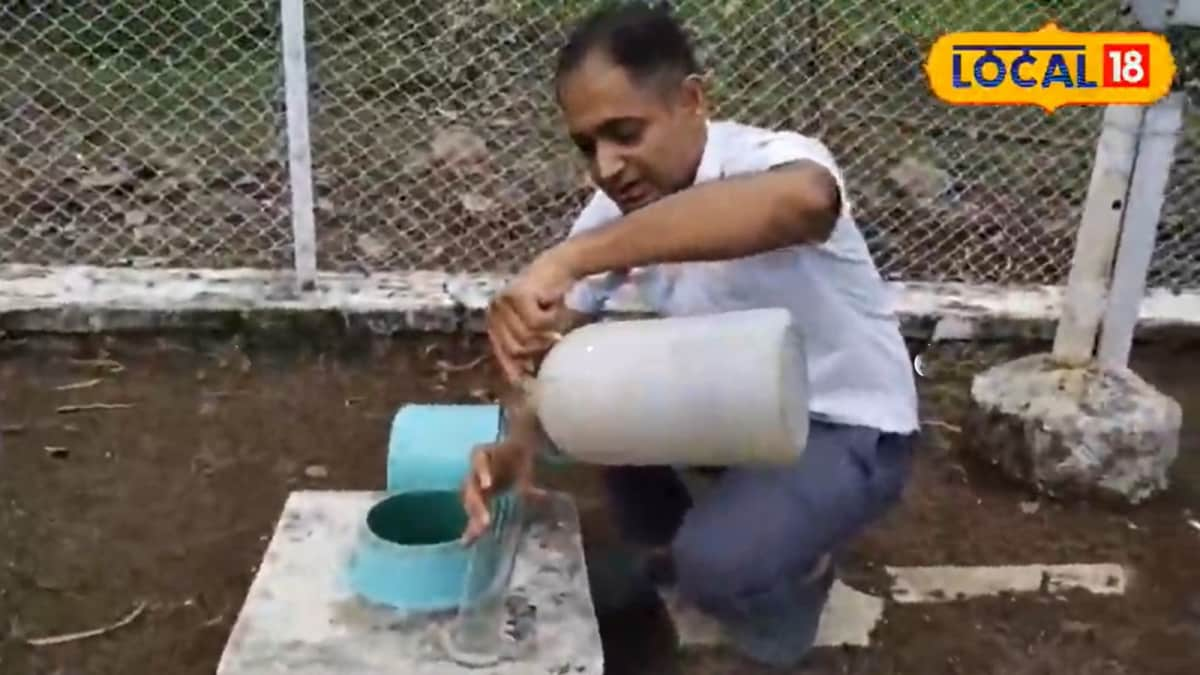
Imagine scientists need to know how much it rains!
They use special tools called rain gauges.
One kind is like a funnel that catches the rain, and someone measures it by hand.
Another kind has a clock and a pen that draws on paper to show how much rain falls and how fast.
The newest kind has a bucket that tips over when it gets full, and a computer keeps track.
All these tools help scientists know about rain so they can give warnings about floods and predict the weather.

Meteorologists use manual, recording, and automatic rain gauges to measure rainfall.
Ordinary rain gauges use a funnel to collect rain, which is then manually measured.
Self-recording rain gauges use a drum and clock mechanism to automatically record data.
Automatic rain gauges use a tipping-bucket mechanism to measure rain electronically.
These methods provide accurate data for forecasts and flood alerts.
- Who
- Meteorologist A. Vivek Chalothre and the Indian Meteorological Department (IMD).
- What
- Methods for measuring rainfall.
- When
- Information was published June 23, 2025.
- Where
- Madhya Pradesh, India
- Why
- To provide accurate data for weather forecasts and flood alerts.
- Location
- Madhya Pradesh, India
- Measurement Types
- Manual, Self-Recording, Automatic
- Manual Gauge Measurement
- Every three hours
- Automatic Gauge Data Update
- Every 15 minutes
- Key Personnel
- Meteorologist A. Vivek Chalothre