

Archive · 19 Dec 2025
Scientists detect deadly whale virus from breath
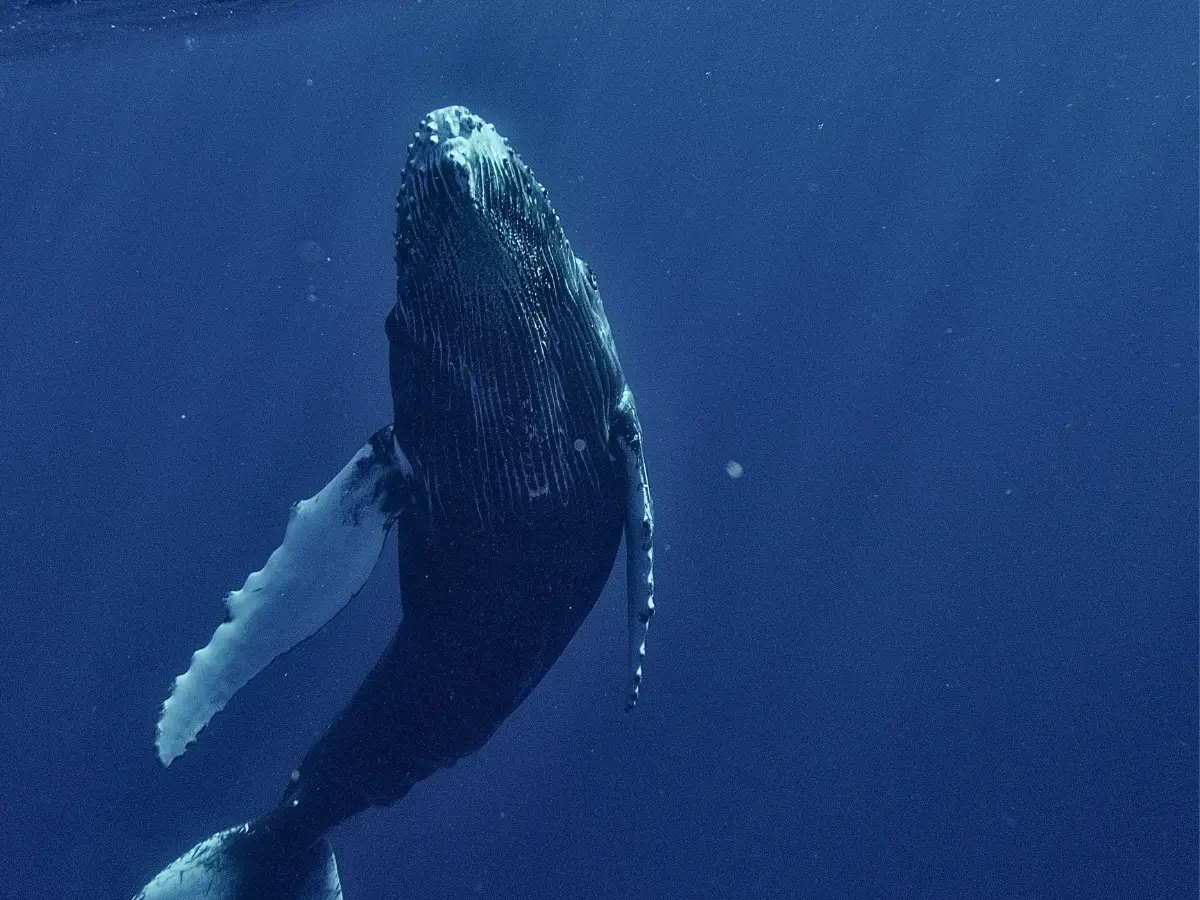
Scientists have found a way to check if whales are sick by looking at their breath.
They used special drones to collect tiny droplets from the whales' blowholes.
This helps them find a virus called cetacean morbillivirus, which can make whales very sick and even cause many of them to wash up on beaches.
The scientists studied humpback, sperm, and fin whales in places like Norway and Iceland.
This new method is great because it doesn't hurt the whales and helps scientists understand how to keep them healthy, especially in the changing Arctic environment.

Scientists identified cetacean morbillivirus in whales using drone-collected breath samples.
The virus is linked to mass strandings and mortality events in cetacean populations.
Study locations included northern Norway, Iceland, and Cape Verde, focusing on humpback, sperm, and fin whales.
The non-invasive method allows for early detection of pathogens without stressing the whales.
The research was conducted by King's College London and The Royal (Dick) School of Veterinary Studies, published in BMC Veterinary Research.
- Who
- Scientists from King's College London and The Royal (Dick) School of Veterinary Studies
- What
- Identified cetacean morbillivirus in whales using non-invasive drone sampling of exhaled breath
- When
- Between 2016 and 2025
- Where
- Northern Norway, Iceland, and Cape Verde
- Why
- To monitor whale health and detect the virus linked to mass strandings
- Virus Name
- Cetacean morbillivirus
- Study Locations
- Northern Norway, Iceland, Cape Verde
- Whale Species Studied
- Humpback, sperm, and fin whales
- Study Duration
- 2016 to 2025
- Institutions Involved
- King's College London, The Royal (Dick) School of Veterinary Studies
- Journal Published
- BMC Veterinary Research