

Archive · 18 Sep 2025
Climate Change Fuels Volatility in the Olive Oil Market
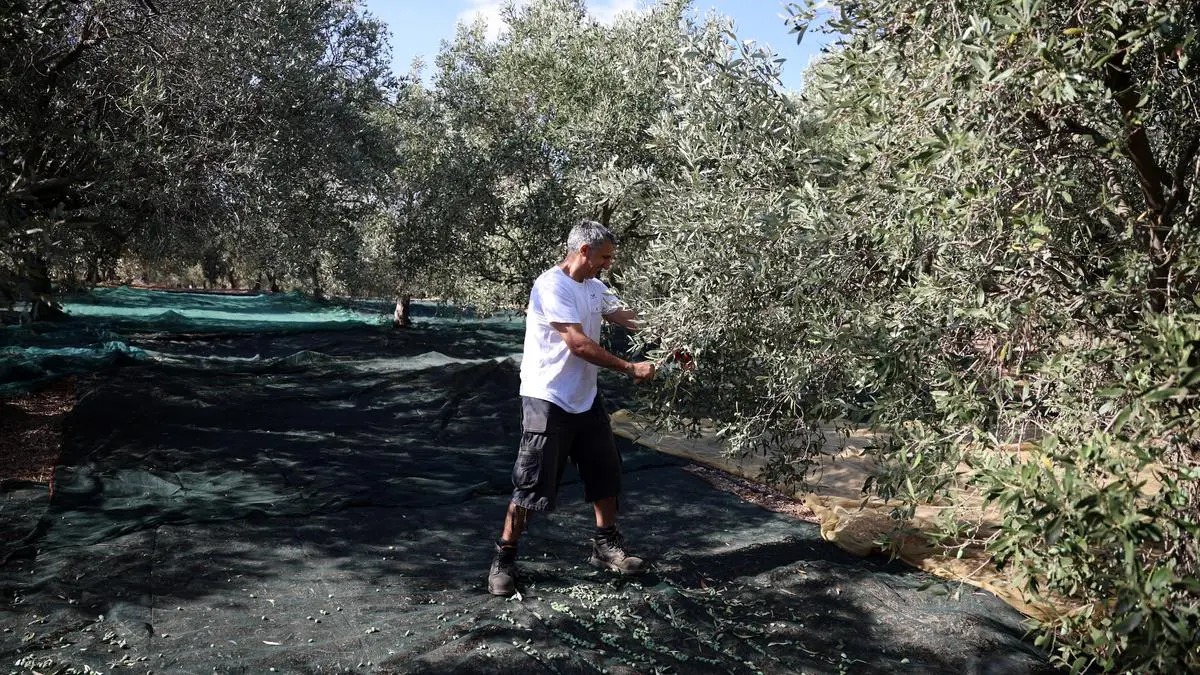
Imagine the olive oil market as a seesaw.
Climate change is making the seesaw go up and down a lot!
Hotter weather, less rain, and extreme events are hurting olive trees.
This leads to unpredictable harvests, with some years having lots of olives and others having very few.
When there are lots of olives, prices go down; when there are few, prices go up.
Farmers and companies need to find ways to keep the seesaw steady, like using water wisely, planting new types of trees, and getting olives from different places.

Climate change is causing volatility in the olive oil market.
Unpredictable weather patterns in the Mediterranean drive production and price fluctuations.
Spain's olive oil production rebounded in the 2024-25 season.
International demand supports recovery in olive oil consumption.
The long-term challenge is not a decline in production but growing volatility due to climate change.
- Who
- RaboResearch and the Olive Oil Industry
- What
- Report on market instability in the olive oil industry
- When
- Published on September 18, 2025, covering the 2024-25 season
- Where
- Primarily the Mediterranean region
- Why
- To highlight the effects of climate change on olive oil production and market stability
- Report Source
- RaboResearch
- Main Issue
- Market Instability Due to Climate Change
- Production Region
- Mediterranean Basin (95% of Global Production)
- Spain's Production (2024-25)
- Approximately 1.4 million tonnes
- Spanish Olive Oil Price (March 2025)
- EUR3,200 per tonne
- Italian Olive Oil Price
- Over EUR9,000 per tonne