

Archive · 5 Aug 2025
PM Modi Unlikely to Attend China WWII Parade: 5 Reasons
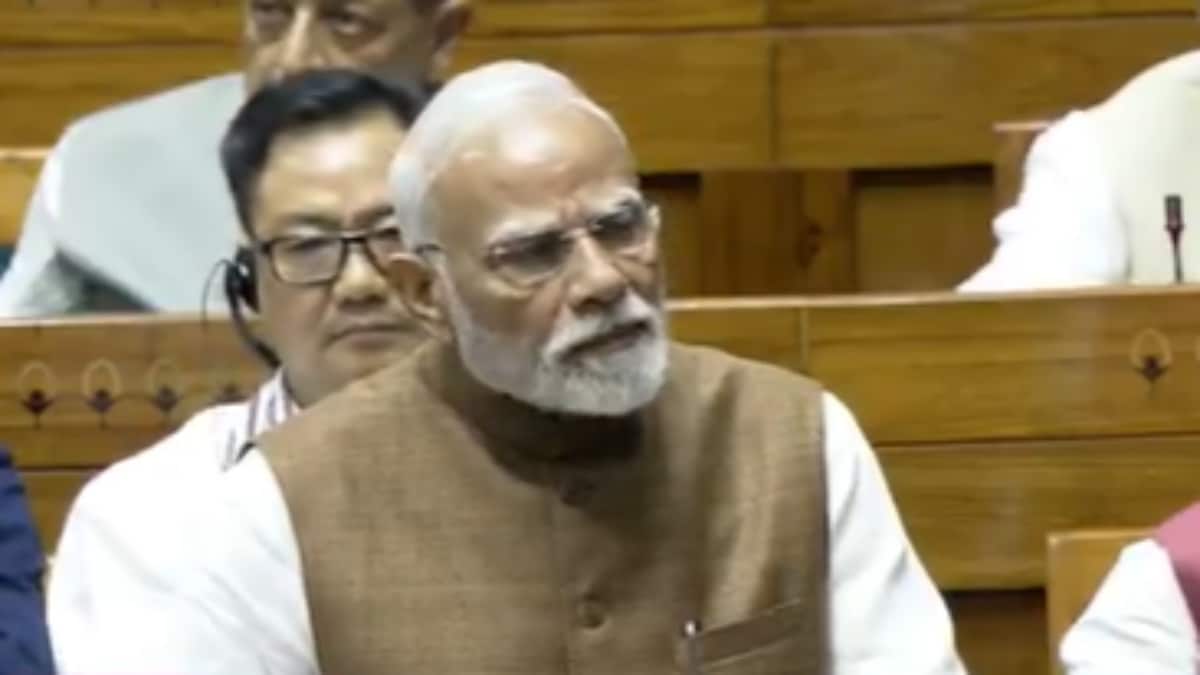
It looks like India's Prime Minister Modi probably won't go to China's big parade celebrating their World War II victory.
Even though India and China are trying to be friends again, there are still lots of reasons why this trip isn't happening.
India is worried about unfair trade and China's support for Pakistan.
Plus, going to the parade could make it look like India agrees with China's views, which could cause problems with other countries.
Basically, India has to think about its own interests and how other countries will react.

Prime Minister Modi is unlikely to attend China's World War II Victory Day parade.
Despite improved ties, significant diplomatic and strategic concerns remain.
Trade tensions and economic mistrust persist between India and China.
Attending the parade could be seen as endorsing China's strategic views, particularly given border disputes and cooperation with Pakistan.
India's domestic interests and relationships with other nations influence the decision.
- Who
- Prime Minister Narendra Modi.
- What
- Prime Minister Modi's likely absence from China's World War II Victory Day parade.
- When
- Early September (parade date).
- Where
- Beijing, China.
- Why
- Due to diplomatic, strategic, trade, and domestic considerations.
Factors Against Attendance
N/A
Strategic and Diplomatic Concerns
Factors Against Attendance
Attendance could signal alignment with China's views on its border claims and strategic cooperation with Pakistan.
N/A
N/A
Trade Tensions and Mistrust
Factors Against Attendance
China's trade practices and restrictions, like those on rare earth exports, are viewed as economic coercion.
N/A
N/A
Impact on International Relations
Factors Against Attendance
Attending could strain ties with India's key partners such as Japan and US.
N/A
N/A
- Event
- China's World War II Victory Day parade
- Likely Attendee
- Prime Minister Narendra Modi (Unlikely)
- Relationship Status
- Cautious detente
- Trade Volume
- Over $127 billion (last year)
- Key Concern
- Trade weaponization