

Archive · 10 Aug 2026
Trump May Drop New Iran Nuclear Deal If Hormuz Reopens
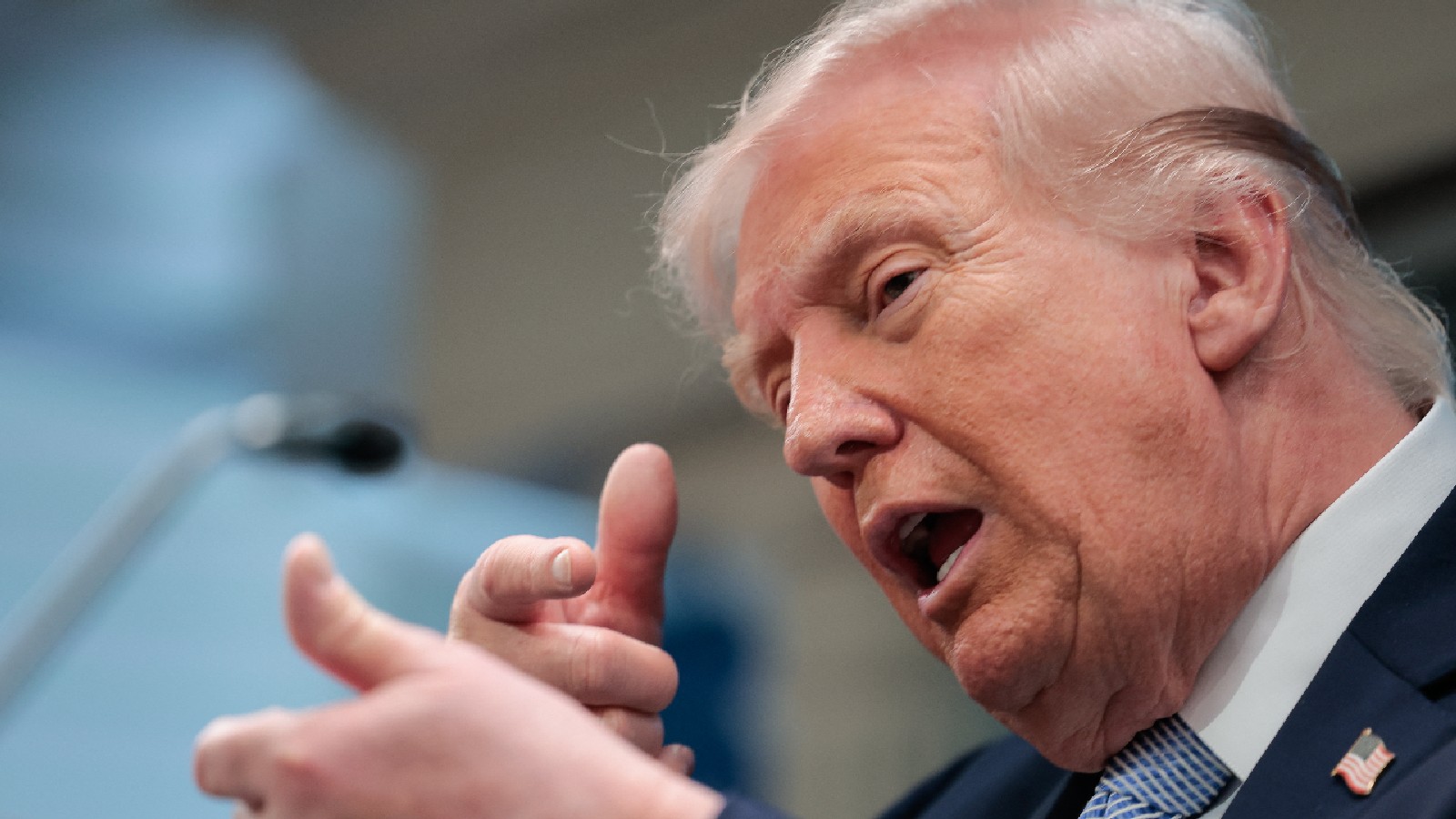
In 2015, Iran and several powerful countries made a big promise called the JCPOA.
Iran agreed to keep its nuclear programme small and peaceful, and the other countries agreed to remove some harsh penalties, called sanctions.
The rules said Iran could only enrich uranium to a very low level and keep a tiny stockpile.
In 2018, US President Donald Trump said America was leaving the agreement and put the sanctions back.
After that, Iran started doing some nuclear activities it had earlier promised to stop.
Now the US and Iran are in a conflict, and a very important waterway called the Strait of Hormuz was closed.
Many ships carrying oil and gas travel through that strait, so its closure worried people around the world.
Trump has now reportedly said that if Iran fully reopens the strait and lets ships pass, he might be okay with delaying a new nuclear deal.
Reopening the waterway could help the two countries calm the conflict.

According to the Wall Street Journal, Trump has privately indicated he could walk away from pursuing a new nuclear agreement if Iran fully reopens the Strait of Hormuz and allows commercial shipping to resume.
The US withdrew from the 2015 Joint Comprehensive Plan of Action (JCPOA) on May 8, 2018, and reimposed sanctions under a 'maximum pressure' strategy.
Under the JCPOA, Iran's uranium enrichment was capped at 3.67% and its enriched-uranium stockpile limited to 300 kg, with an expanded International Atomic Energy Agency (IAEA) monitoring role.
After the US withdrawal, Iran gradually expanded nuclear activities that had been restricted under the deal, though it maintains its programme is peaceful.
The Strait of Hormuz, a key energy chokepoint connecting the Persian Gulf with the Gulf of Oman and the Arabian Sea, was disrupted during the current US-Iran conflict, raising concerns over global energy supplies and oil prices.
- Who
- US President Donald Trump, Iran, and the other JCPOA parties: the US, UK, France, Germany, Russia and China, with the European Union involved.
- What
- Trump reportedly indicated he could drop the pursuit of a new nuclear agreement if Iran fully reopens the Strait of Hormuz to commercial shipping, following the US's 2018 exit from the 2015 JCPOA.
- When
- First reported August 10, 2026; the JCPOA was reached in July 2015 and the US withdrew on May 8, 2018.
- Where
- The Strait of Hormuz, connecting the Persian Gulf with the Gulf of Oman and the Arabian Sea, amid US-Iran talks.
- Why
- To de-escalate the US-Iran conflict and ease global energy supply worries caused by the Strait's closure.
Washington's Position
Tehran's Position
The 2015 Nuclear Deal
Washington's Position
The Trump administration argued the JCPOA was fundamentally flawed and did not adequately address Iran's nuclear programme, ballistic-missile activities or regional behaviour, leading to the US withdrawal in 2018.
Tehran's Position
Iran has consistently maintained its nuclear programme is peaceful and that it has the right to pursue civilian nuclear activities under the Nuclear Non-Proliferation Treaty.
Strait of Hormuz as Leverage
Washington's Position
Washington sees the reopening of the Strait as a tangible way to de-escalate the conflict, potentially allowing a nuclear agreement to be delayed.
Tehran's Position
Tehran used the closure of the waterway as a major source of leverage during the conflict, disrupting commercial shipping and raising concerns over global energy supplies and oil prices.
- Nuclear agreement
- Joint Comprehensive Plan of Action (JCPOA)
- Deal reached
- July 2015, between Iran and the P5+1 (US, UK, France, Germany, Russia, China) with the EU involved
- Enrichment cap under JCPOA
- 3.67%
- Enriched uranium stockpile limit
- 300 kg
- US withdrawal
- May 8, 2018, followed by a 'maximum pressure' sanctions strategy
- Latest development
- Trump privately open to skipping a new nuclear pact if Iran fully reopens the Strait of Hormuz (per Wall Street Journal)
- Strait of Hormuz
- Key energy chokepoint connecting the Persian Gulf with the Gulf of Oman and the Arabian Sea