Archive · 14 Jan 2026
India's Cashless Revolution: Convenience vs. Financial Awareness

India is using digital payments like UPI a lot.
People find it easy to pay with their phones for things like coffee, groceries, and even giving money to beggars.
But this convenience has some downsides.
People might spend more money without realizing it because they don't feel the 'pain' of paying with physical cash.
Also, there are concerns about data privacy and an increase in scams.
While digital payments are convenient, many people are not fully aware of how to use them safely and wisely.
There are efforts to improve financial awareness, but the shift to cashless transactions is happening faster than the understanding of how to manage money in this new way.

India has widely adopted digital payments, with QR codes and UPI IDs prevalent even among small vendors and beggars.
Digital payments reduce the psychological 'pain' of spending, leading to more impulsive purchases.
Data privacy concerns arise as users often do not understand how their spending data is used or shared.
Digital payments have reduced bargaining behavior, as customers find it easier to pay the displayed price without negotiation.
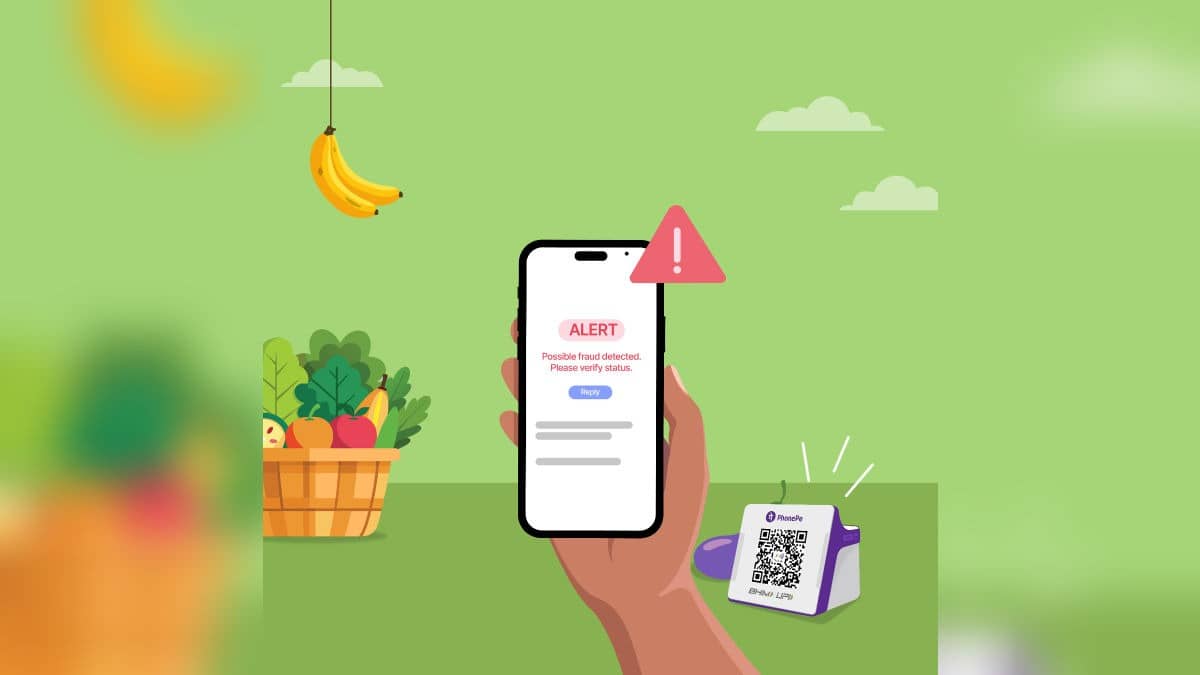
There is a rise in digital frauds, including fake QR codes and phishing links, targeting both urban consumers and small vendors.
- Who
- Indian consumers, small vendors, and digital payment users
- What
- The shift to cashless transactions and its impact on financial awareness
- When
- Ongoing trend with increasing adoption and awareness
- Where
- Across India, particularly in urban areas
- Why
- Convenience and ease of digital payments, but also leading to impulsive spending and scams
- Primary Category
- BUSINESS
- Secondary Category
- Digital Payments
- Tertiary Category
- UPI
- Quaternary Category
- Consumer Behavior
- Digital Payment Adoption
- Widespread across various sectors, including small vendors and beggars
- Impact on Spending
- Increased impulsive spending due to reduced psychological resistance
- Data Privacy Concerns
- Users often unaware of how their spending data is used
- Scams and Frauds
- Rise in digital frauds, including fake QR codes and phishing links
- Financial Literacy
- Growing awareness but still lagging behind digital payment adoption