1 month ago
Communal Award: Gandhi's Fast Against Separate Electorates Explained
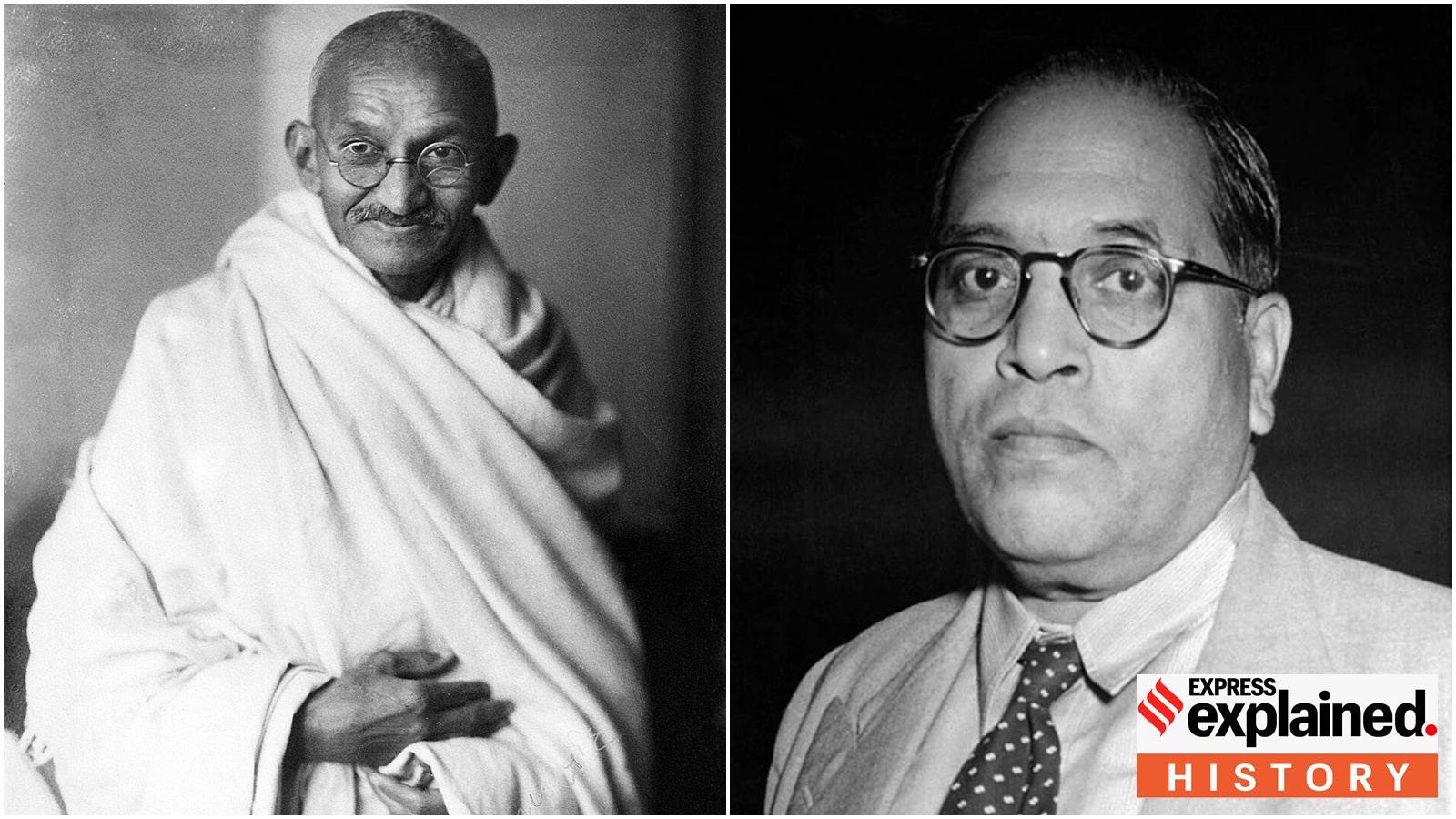
Long ago, in 1932, India was ruled by Britain.
The British leader, Ramsay MacDonald, made a rule called the Communal Award.
It said that some groups, including people called the Depressed Classes, would vote separately for their own leaders.
A great leader named Mahatma Gandhi did not like this.
He thought it would split Hindu people into separate groups.
He said he would stop eating until the rule was changed.
Another leader, Dr Ambedkar, liked the rule because he wanted the Depressed Classes to have their own representatives.
Many leaders met and made a new agreement called the Poona Pact.
In the end, they kept reserved seats for these groups instead of separate voting.
India still has reserved seats today to help these communities.

In August 1932, British Prime Minister Ramsay MacDonald announced the Communal Award, granting separate electorates to religious minorities and the Depressed Classes.
Mahatma Gandhi opposed the Award, warning he would fast unto death, and began his fast on September 20, 1932, in Poona.
Dr BR Ambedkar supported separate electorates, arguing the Depressed Classes needed their own representatives rather than being represented by upper-caste reformers.
The Poona Pact, signed on September 24, 1932, abandoned separate electorates but increased reserved seats to 148 in provincial legislatures and 18 per cent of Central Legislature seats.
India retained the reserved seats system after Independence; today 84 Lok Sabha seats are reserved for Scheduled Castes and 47 for Scheduled Tribes.
- Who
- Mahatma Gandhi, Dr BR Ambedkar, British Prime Minister Ramsay MacDonald, and Secretary of State for India Samuel Hoare.
- What
- A dispute over the Communal Award's separate electorates for the Depressed Classes, resolved by the Poona Pact.
- Where
- India, including Poona, Bombay, and Delhi, with the Award decided by the British government in London.
- When
- August-September 1932; the Award was announced on August 16, Gandhi's fast began on September 20, and the Poona Pact was signed on September 24.
- Why
- Gandhi believed separate electorates would tear apart Hindu society, while Ambedkar wanted the Depressed Classes to have their own representatives in legislatures.
Gandhi's position
Ambedkar's position
Separate electorates
Gandhi's position
Gandhi argued separate electorates would tear apart and disrupt Hindu society and were neither an act of penance nor a remedy to the problems facing the Depressed Classes.
Ambedkar's position
Ambedkar argued the Depressed Classes needed their own leaders and representatives because upper-caste reformers such as Gandhi could not adequately represent them.
Representation of Depressed Classes
Gandhi's position
Gandhi called for genuine social reconciliation between caste Hindus and the Depressed Classes and opposed making their separation a permanent feature of the political system.
Ambedkar's position
Ambedkar insisted his priority was the interests of the Depressed Classes rather than Gandhi's personal decision to fast.
British government's role
Gandhi's position
Gandhi treated the Award as a 'call of conscience' and fasted unto death until the British government reversed or amended its decision.
Ambedkar's position
MacDonald argued separate electorates would allow representatives of the Depressed Classes to speak for themselves and would unite rather than separate them from other Hindus.
Key facts
- Communal Award announced
- August 16, 1932
- Announced by
- British Prime Minister Ramsay MacDonald
- Depressed Classes seats under Award
- 71 special seats in provincial legislatures
- Gandhi's fast began
- September 20, 1932, in Poona
- Poona Pact signed
- September 24, 1932
- Reserved seats after Poona Pact
- 148 in provincial legislatures and 18% of Central Legislature seats
- Current Lok Sabha reserved seats
- 84 for Scheduled Castes and 47 for Scheduled Tribes
Quotes
Dr. Br. Ambedkar
Social reformer and architect of the Indian Constitution
“I can never consent to deliver my people bound hand and foot to the caste Hindus for generations to come.”
 indianexpress.com
Sources
Related news
Azad Links Reservation Protest to Poona Pact Anniversary, Permission Row
Chirag Paswan, Jitan Ram Manjhi Clash Over SC, ST Quotas
Chirag Paswan, Jitan Manjhi Clash Over Dalit Sub-Quota

OBC Activists Begin Counter-Strike Near Jarange’s Maratha Quota Protest
Maharashtra quota dispute intensifies as Bhujbal, Jarange Patil clash