

Archive · 26 Jan 2026
Mizoram Celebrates New Year with Traditional Festivals
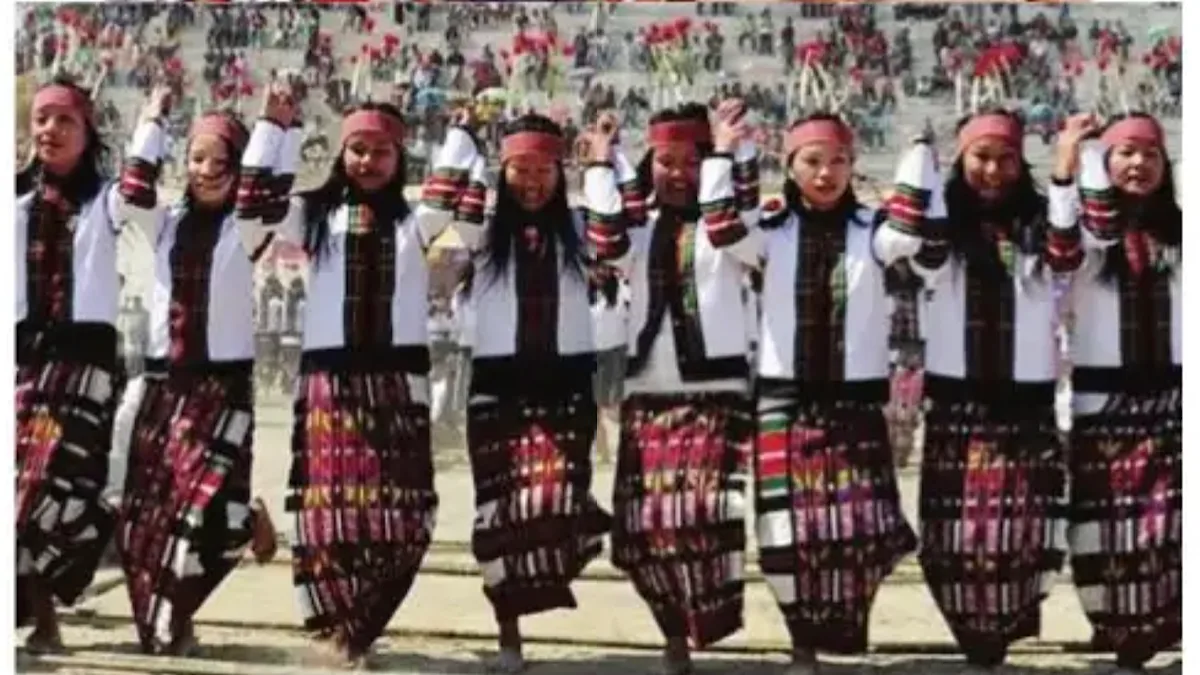
In Mizoram, the New Year is celebrated through three main festivals: Chapchar Kut, Mim Kut, and Pawl Kut.
These festivals are tied to nature, agriculture, and community life.
Chapchar Kut, in February or March, is like a break in farming where people dance, sing, and share food.
Mim Kut, in August or September, is a time to thank ancestors for the maize harvest.
Pawl Kut, in December, is a thanksgiving festival marking the end of the harvest season.
These festivals are not just about having fun; they are about working together, remembering the past, and looking forward to the future.
Even with modern changes, the heart of these celebrations remains the same: community, patience, and gratitude.

Mizoram celebrates the New Year through Chapchar Kut, Mim Kut, and Pawl Kut, tied to agriculture and community life.
Chapchar Kut (February/March) marks a break in farming with dances like Cheraw and communal feasting.
Mim Kut (August/September) honors ancestors and thanks them for the maize harvest.
Pawl Kut (December) is a thanksgiving festival marking the end of the harvest season.
These festivals emphasize community bonding, continuity, and gratitude over individualism and haste.
- Who
- Mizo people of Mizoram
- What
- Traditional New Year festivals (Chapchar Kut, Mim Kut, Pawl Kut)
- When
- Throughout the year (February/March, August/September, December)
- Where
- Mizoram, Northeast India
- Why
- To mark renewal, gratitude, and community bonding
- Festivals
- Chapchar Kut, Mim Kut, Pawl Kut
- Timing
- February/March (Chapchar Kut), August/September (Mim Kut), December (Pawl Kut)
- Significance
- Renewal, gratitude, community bonding
- Key Activity
- Cheraw (bamboo) dance
- Philosophy
- Tlawmngaihna (selflessness, courage, respect)
- Influence
- Christianity, urbanization, tourism