

Archive · 1 Oct 2025
Bihar's Electoral Rolls Affirm Democracy, Rejecting Dynastic Politics
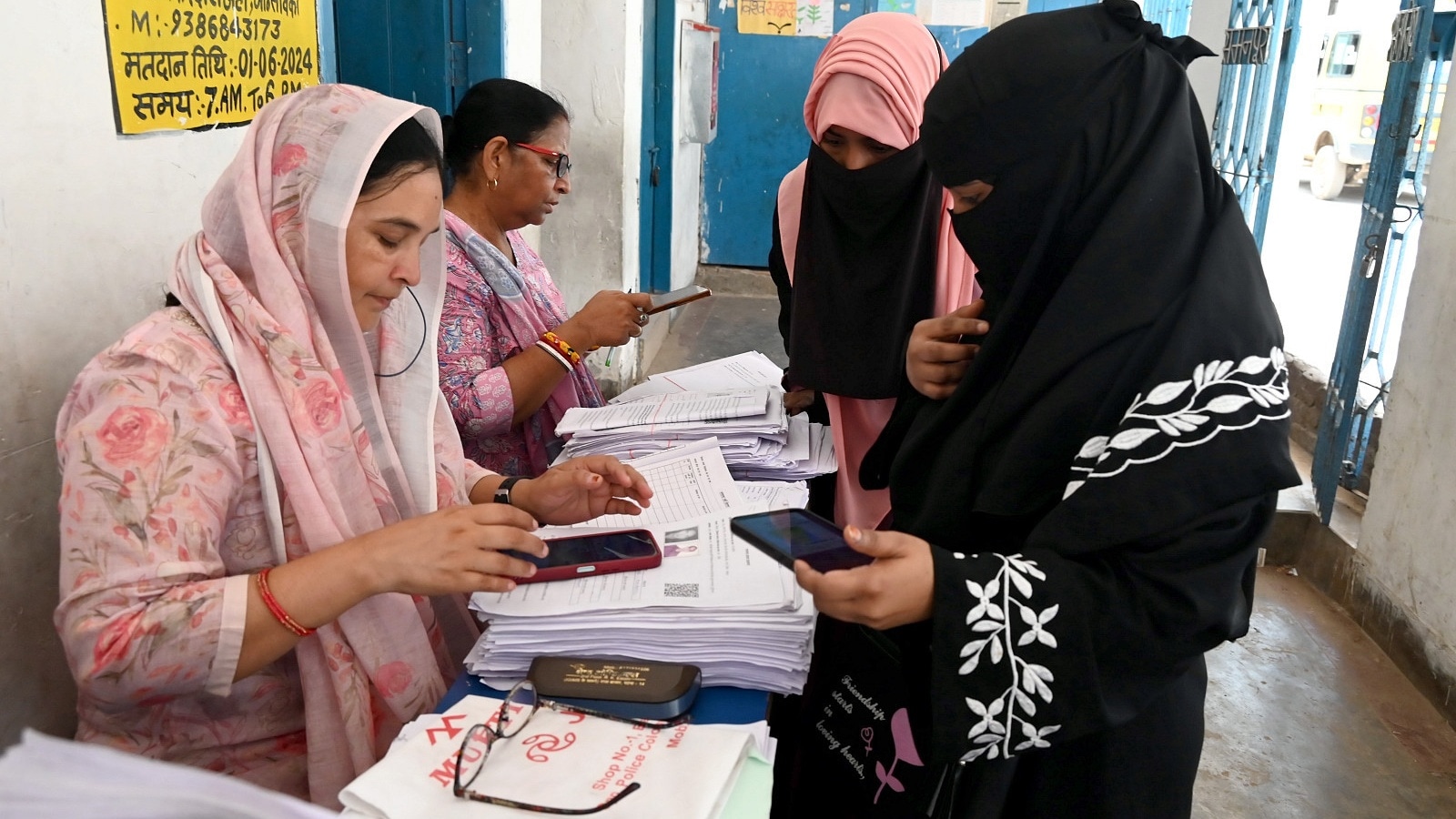
Imagine a school where the rules are made fairly by a group of teachers (the ECI).
This is like Bihar, where a new list of voters was made to make sure everyone has a say.
Some groups in the past, like the Congress, had problems with doing things fairly.
The current government is now making changes to ensure that this doesn’t happen.
Some political parties, like the RJD, operate more like family businesses, which isn’t good for democracy.
Bihar has a history of standing up for what’s right, like in the Champaran and JP movements, so the voters know what to do.
So, the new voter list is a sign that the state is on track to protecting democracy.

The publication of Bihar's electoral roll affirms democratic integrity.
The ECI prepares electoral rolls through transparent mechanisms.
The State Election Commission of Bihar upholds its autonomy, independent of political interference.
Dynastic politics, as seen in the RJD, undermines democratic principles.
Institutions like the ECI are vital in safeguarding democracy, unlike dynastic parties.
- Who
- The Election Commission of India (ECI) and the State Election Commission of Bihar.
- What
- The publication of Bihar's final electoral roll.
- When
- Not explicitly stated in the article.
- Where
- Bihar, India
- Why
- To reaffirm democratic integrity and institutional autonomy, contrasting dynastic politics.
Dynastic Politics (RJD)
Institutional Autonomy (ECI)
Nature of Political Parties
Dynastic Politics (RJD)
Political parties operate as family enterprises.
Institutional Autonomy (ECI)
Institutions embody constitutional resilience and democratic principles.
- Key Event
- Publication of Bihar's final electoral roll
- Governing Body
- Election Commission of India (ECI)
- Focus
- Upholding institutional autonomy and democracy
- Political Party Mentioned
- Rashtriya Janata Dal (RJD)
- Historical Events Referenced
- Champaran movement (1917), JP Movement (1974–75)