10 months ago
Sustaining Earth's Ecosystems Amidst Industrialization and Environmental Concerns

Our planet Earth is facing some problems because of how people live and run factories.
We are using up water too fast and putting too many bad gases into the air, which is like making a hole in our sky's protection.
This is hurting plants, animals, and people.
Some people think we should also look for new planets to live on, like in science fiction stories, to make sure humans can survive.
Others believe we should focus on taking better care of our Earth because it's the only home we have.
Many groups and individuals are trying to help by saving trees, using less plastic, and being mindful of our water and energy.
Simple things like recycling, walking instead of driving, and eating more plants can make a big difference.
Even planting trees helps.
It's important for everyone, especially leaders, to work together to protect our planet for the future.

Concerns about Earth's longevity are driving discussions on resource conservation and potential space colonization.
Industrialization has led to environmental issues like the Ozone Hole and contamination of land and water.
Organizations and movements globally and in India are actively working on environmental protection and raising awareness.
Individual actions such as reducing waste, conserving resources, and adopting sustainable practices are crucial.
Exploring space colonization is presented as a long-term survival strategy, while preserving Earth is seen as paramount by others.
- Who
- Mankind, environmental activists, scientists, political leaders, industry leaders, concerned individuals and organizations.
- What
- Discussing the future of planet Earth, its sustainability, and exploring solutions for environmental degradation and potential space colonization.
- Where
- Globally, with specific mention of India and Rajasthan.
- When
- Ongoing discussion, with historical examples of movements like the Chipko movement starting in the 1970s and the Bishnoi movement in the 15th century.
- Why
- To address the degradation of natural resources caused by unbridled industrialization, excessive resource consumption, and to ensure the longevity and survival of the planet and the human species.
Continued Progress with Sustainability
Cautious Approach to Prevent Further Damage
Industrialization and Agriculture
Continued Progress with Sustainability
Industry and agriculture are necessary for progress, but require requisite measures to undo and prevent damage to natural resources, aiming for neutralisation and prevention of degradation.
Cautious Approach to Prevent Further Damage
Unbridled industrialization and excessive use of fertilizers and pesticides are causing significant damage to the atmosphere, land, and groundwater, necessitating a more cautious approach.
Humanity's Future
Continued Progress with Sustainability
Exploring alternative plans, such as colonizing other planets and developing technologies for interstellar travel, are viable options to ensure the long-term survival of the species.
Cautious Approach to Prevent Further Damage
The planet Earth is our only home, and its insignificant place in the cosmos makes cooperation and mutual respect paramount, with less emphasis on colonizing other worlds and more on preserving our current one.
Key facts
- Environmental Concerns
- Ozone Hole, greenhouse gas emissions, excessive groundwater use, contamination from chemical fertilizers and pesticides.
- Global Environmental Movements
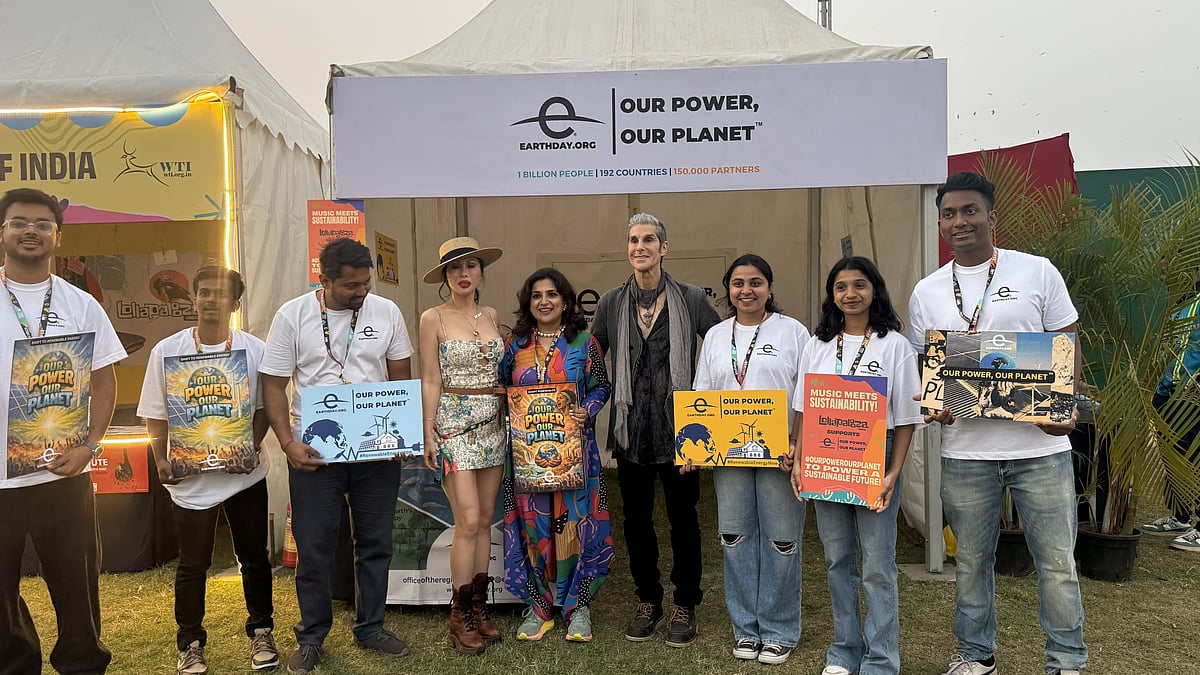
- Greenpeace, Earth Justice, Save Soil Movement, Earth Day, Earth Hour.
- Indian Environmental Movements
- Chipko Movement, Bishnoi Movement.
- Recommended Individual Actions
- Reducing waste, reusing and recycling, conserving water and energy, plant-based diets, reducing food waste, sustainable transport, planting trees, choosing sustainable products.
- Book Reference
- Carl Sagan's 'Pale Blue Dot' discusses the planet's insignificance and the need for cooperation and space colonization.
- Example Initiative
- Prabhavana cooperative society substituting jute for plastic in temple offerings.
Quotes

Carl Sagan
science fiction writer
“Pale Blue Dot”
 thehansindia.com
“a mote of dust suspended in a sunbeam”
thehansindia.com
Dr M S Swaminathan
distinguished agriculture scientist
“water sanctuaries”
thehansindia.com