

Archive · 15 Sep 2025
Dermatologist Warns Against Adulterated Henna Risks
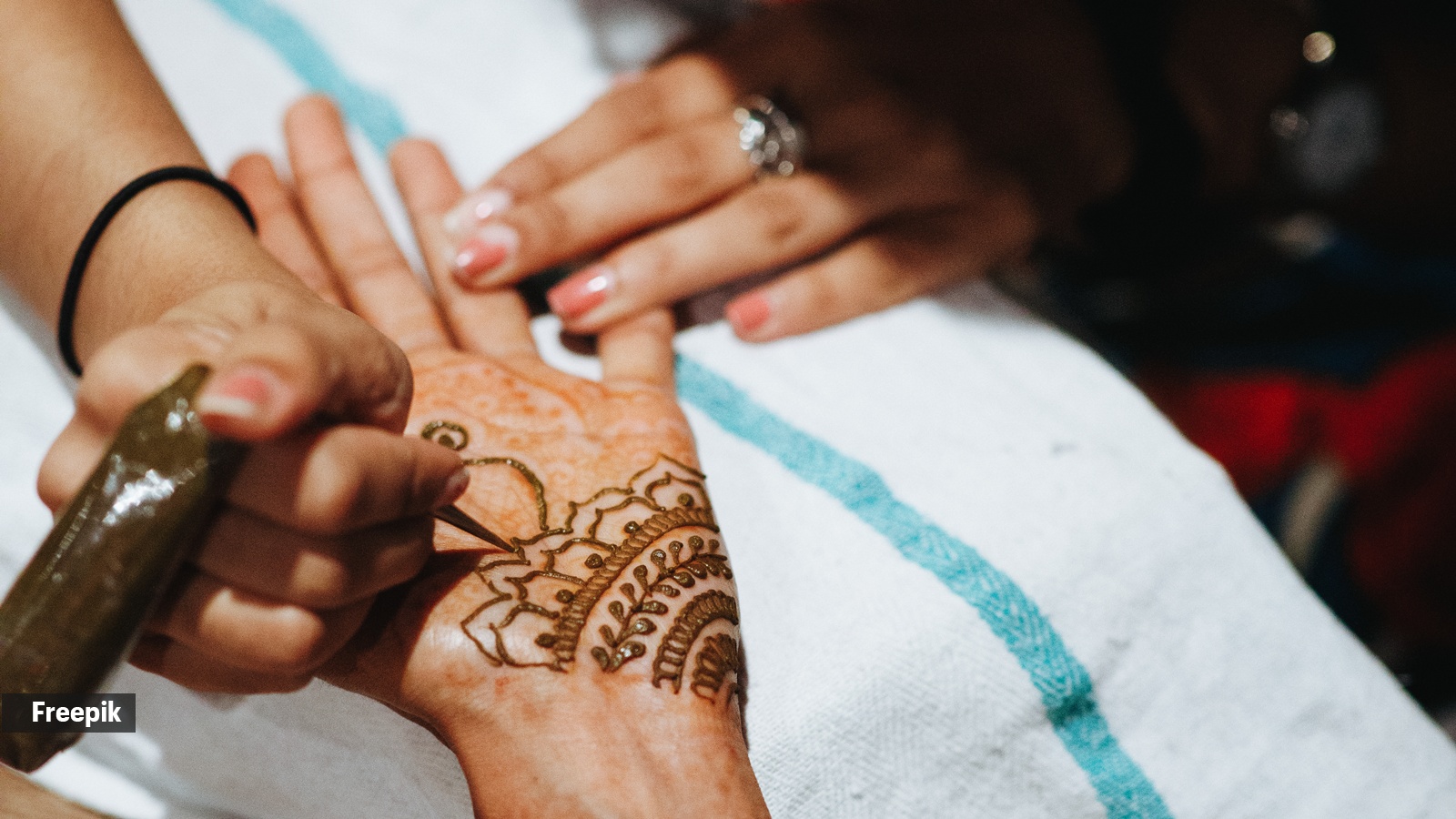
Some mehendi, or henna, used for celebrations may not be safe.
Dermatologists are warning that some mehendi has harmful chemicals like PPD added to make the color darker faster.
PPD can cause skin problems like itching, blisters, and allergies.
Real mehendi is a yellowish-green color and smells earthy.
If your mehendi is black, smells like chemicals, or stains your skin very quickly, it might be fake.
If you have a bad reaction, wash the mehendi off immediately and see a doctor.

Dermatologists warn of adulterated mehendi causing adverse reactions.
Adulterated mehendi may contain PPD, a chemical used in hair dye.
PPD can cause allergic reactions, redness, itching, and blisters.
Natural henna is yellowish-green and stains skin orange to brown over time.
If allergic reaction occurs, wash off immediately and seek medical help.
- Who
- Dermatologists, Dr. Gurveen Waraich and Dr. Swetha Sridhar
- What
- Warning about adulterated mehendi and its health risks.
- When
- Recent Instagram video and reports during festive seasons.
- Where
- India
- Why
- To inform the public about the dangers of adulterated henna and how to identify it.
- Primary Issue
- Adulterated Mehendi
- Harmful Ingredient
- PPD (Paraphenylenediamine)
- Common Side Effects
- Pigmentation, blistering, allergic reaction
- Identifying Natural Henna
- Yellowish-green color, earthy smell, stains orange/brown
- Expert Sources
- Dr. Gurveen Waraich, Dr. Swetha Sridhar