Archive · 4 Oct 2026
North Korea Says AI Missile Can Evade Tracking
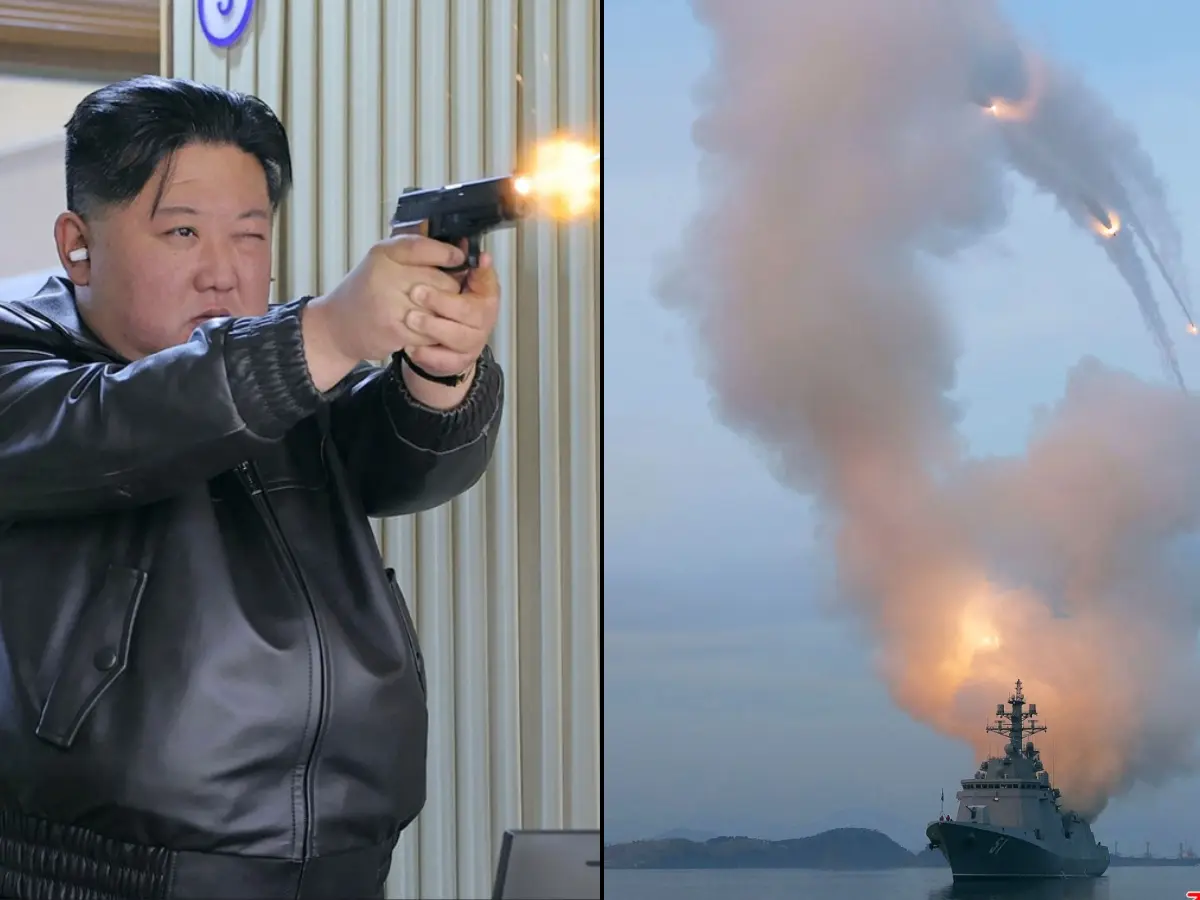
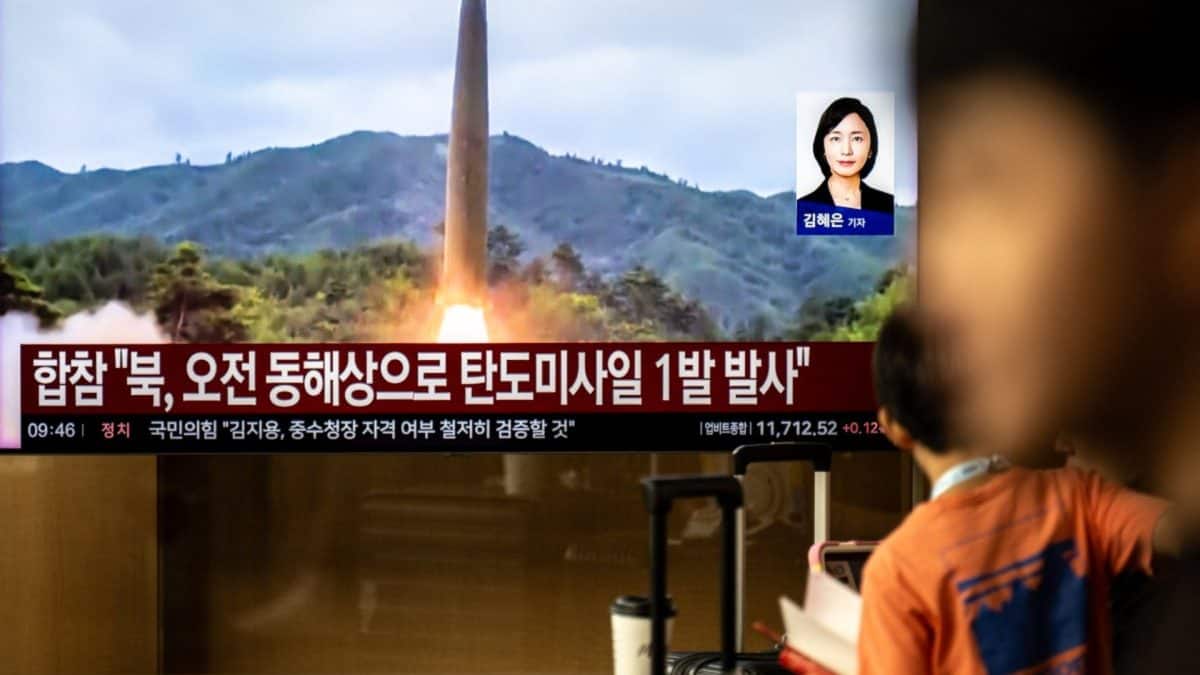
North Korea said it tested a missile that can travel a long distance.
Kim Jong Un watched the test, according to North Korean statements.
South Korea said the missile flew more than 700 kilometers from near Wonsan toward the sea.
Kim Yo Jong said artificial intelligence could help it change direction while flying low.
She also claimed it could be hard to track or avoid.
North Korea did not share technical details proving how the system works.
A military expert said it is too soon to know whether the claims are accurate.
The test came after an explosion near the Korean border injured three South Korean soldiers.
North Korea denied causing that explosion, while South Korea and the UN Command blamed North Korean mines.

North Korea said it tested an intermediate-range strategic missile in a drill overseen by Kim Jong Un.
South Korea’s military said the missile launched near Wonsan and flew more than 700 kilometers toward the sea off the east coast.
Kim Yo Jong claimed the missile could use a wave-like trajectory and AI-assisted low-altitude course changes, making it difficult to track or avoid.
A military expert cautioned that it was too early to verify North Korea’s claims; the reports provide no technical evidence about the AI system.
The test followed a DMZ explosion that injured three South Korean soldiers; South Korea and the UN Command blamed North Korean mines, while North Korea denied responsibility.
- Who
- North Korea conducted the test, according to Kim Yo Jong; she said Kim Jong Un oversaw it.
- What
- An intermediate-range strategic missile was tested; North Korea claimed it used AI to alter its flight path.
- When
- Saturday; reports date the launch as October 3, while another report says October 4.
- Where
- Launched from near Wonsan and flown toward the sea off North Korea’s east coast, according to South Korea.
- Why
- North Korean state media said the drill was intended to train soldiers operating a hypersonic strategic weapon system.
North Korean claims
South Korean reports and expert caution
Missile capability
North Korean claims
Kim Yo Jong claimed AI and a wave-like trajectory could let the missile change course at low altitude and evade tracking or interception.
South Korean reports and expert caution
Hong Sung-pyo said AI can support military tasks but that it was too early to determine whether North Korea’s claims about this missile were accurate.
DMZ explosion responsibility
North Korean claims
North Korea denied responsibility for the explosion that injured three South Korean soldiers.
South Korean reports and expert caution
South Korea and the United Nations Command concluded that the blast was caused by North Korean mines placed on the South Korean side of the border.
- Missile description
- Intermediate-range strategic missile, according to Kim Yo Jong
- Reported distance
- More than 700 kilometers (435 miles), according to South Korea’s military
- Launch area
- Near Wonsan on North Korea’s east coast, according to South Korea
- North Korean claim
- AI-assisted low-altitude trajectory changes and a wave-like flight path could make the missile difficult to track or avoid
- Oversight
- Kim Jong Un oversaw the drill; a WION report said his daughter Kim Ju Ae attended
- Expert assessment
- Hong Sung-pyo said AI may aid military tasks, but it was too early to verify the missile claims
- DMZ explosion
- Three South Korean soldiers were injured; South Korea and the UN Command blamed North Korean mines, and North Korea denied responsibility
- Date discrepancy
- Reports give Saturday, October 3 and Saturday, October 4; they do not specify a year