

Archive · 30 Jul 2026
India's Reactive Fire Safety Approach Is Risky Business
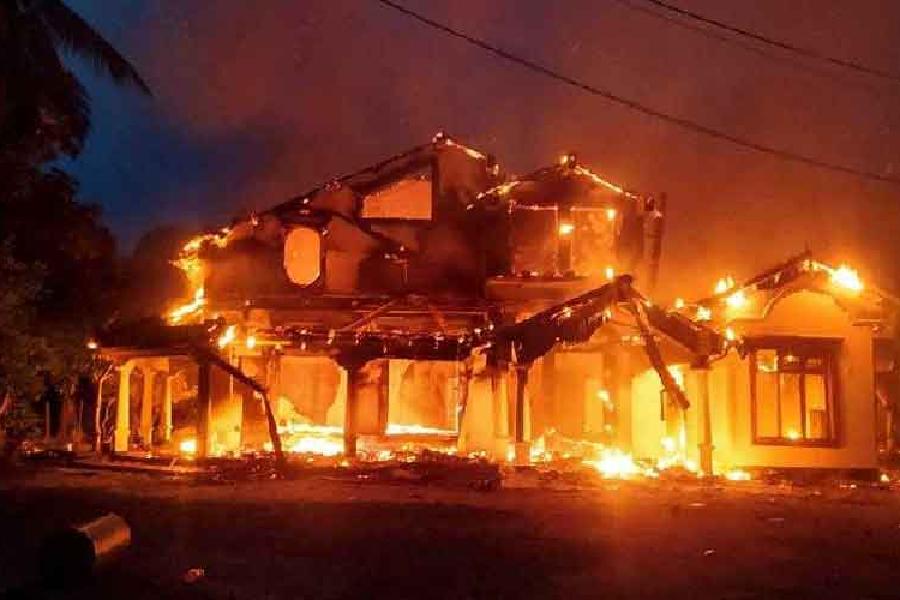
In India, many people die each year because of fires in buildings.
The main reason is that the rules to keep buildings safe are not followed well.
Electrical problems, like bad wiring and too many appliances, cause most fires.
The government and fire departments do not check buildings often enough, and the rules are treated as one-time checks instead of ongoing safety.
Hot weather and dry air make fires spread faster.
To stop this, India needs a new system that keeps track of safety checks online, forces regular inspections, and makes sure fire departments have enough people and tools.
Everyone, from schools to hospitals, should practice fire drills regularly.
This will help protect people, especially those who are most vulnerable.

Fire accidents kill 13,000‑15,000 people each year in India.
Electrical failures, overloaded circuits, and poor wiring are the leading causes of urban fires.
Safety certifications are treated as one‑time permissions, and enforcement agencies are understaffed and fragmented.
Climate change, heat waves, and dry urban environments increase the likelihood and spread of fires.
A prevention‑centred governance framework with digital tracking, mandatory audits, and stronger enforcement is urgently needed.
- Who
- Indian authorities, builders, residents, fire departments
- What
- India’s reactive fire safety approach leads to thousands of deaths annually
- Where
- India
- Why
- Lack of continuous enforcement, inadequate infrastructure, and climate change increase fire risk
- Annual fire deaths
- 13,000-15,000
- Leading cause of urban fires
- Electrical failures
- Key issue with enforcement
- Reactive, understaffed, fragmented
- Needed governance change
- Prevention-centered, digital tracking, mandatory audits
- Climate impact
- Heat waves and dry conditions heighten risk