

Archive · 19 Jan 2026
India's Battery Storage Sector Faces Cost Pressures
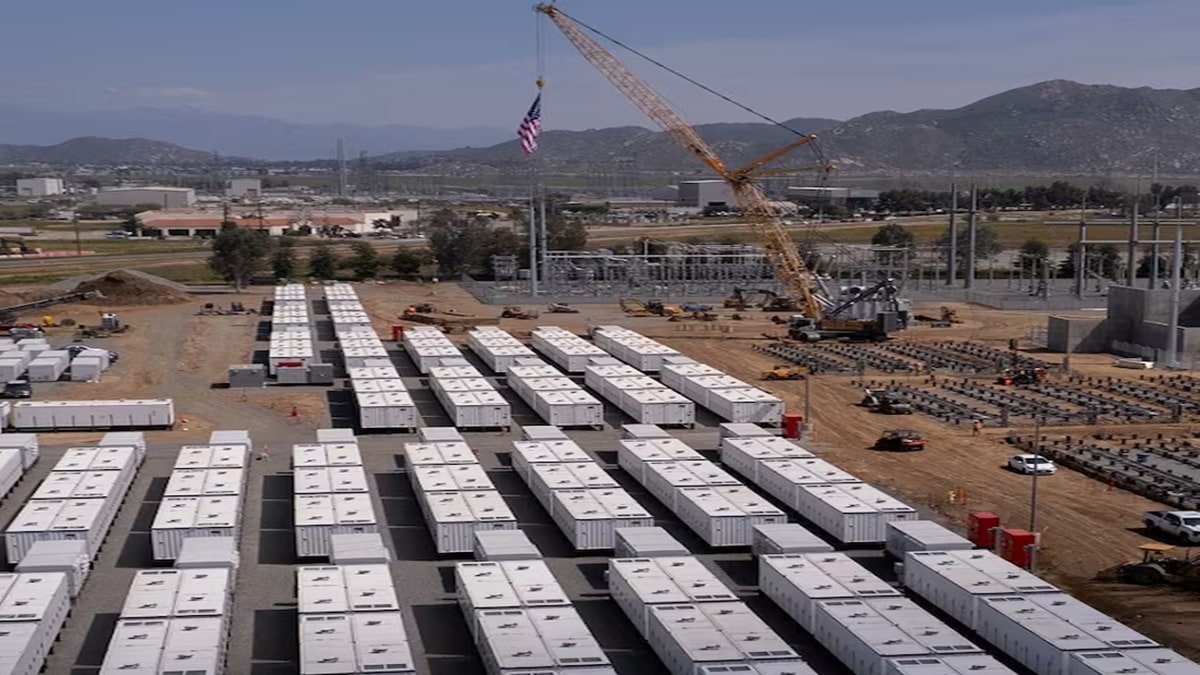
India's battery storage sector is facing higher costs.
The Indian rupee and Chinese yuan have weakened, making batteries more expensive.
Also, the prices of materials like lithium have gone up.
China is also reducing tax rebates on battery exports, which will make things even more costly.
This is a problem because India needs a lot more battery storage to support its renewable energy goals.
Some projects might get delayed or become more expensive.
Experts say India should start making more batteries at home to reduce these risks, but that will take time.

India's BESS sector faces a 25–30% cost increase due to currency movements, raw material prices, and China's export policy.
Currency depreciation and rising raw material costs are significantly impacting battery cell prices.
China's reduction in VAT rebates will further increase costs from 2026 onwards.
Fixed-price rupee tariffs for Indian projects are under strain due to dollar-denominated procurement risks.
Domestic battery cell manufacturing is seen as critical to reduce reliance on imports and mitigate risks.
- Who
- India's battery energy storage system (BESS) sector
- What
- Facing cost pressures due to currency movements, raw material prices, and China's export policy
- When
- Costs are expected to rise from 2026 onwards
- Where
- India
- Why
- Due to a combination of currency depreciation, rising raw material costs, and changes in China's export policies
- Cost Increase
- 25–30% due to currency movements, raw material prices, and China's export policy
- Currency Impact
- 11-12% increase from yuan and rupee depreciation
- Raw Material Costs
- Electrolyte prices doubled, lithium carbonate prices rose 10%
- China Policy Impact
- 3% cost increase from Q2 2026, 6% from 2027 due to VAT rebate cuts
- Storage Requirements
- 82 GWh in 2026-27, 411 GWh by 2031-32
- Battery Cell Prices
- $115/kWh in 2024, $108/kWh in 2025
- Domestic Manufacturing
- Critical for reducing import dependence and volatility
