Archive · 21 Aug 2025
Murshidabad: A City That Could Have Been a Capital
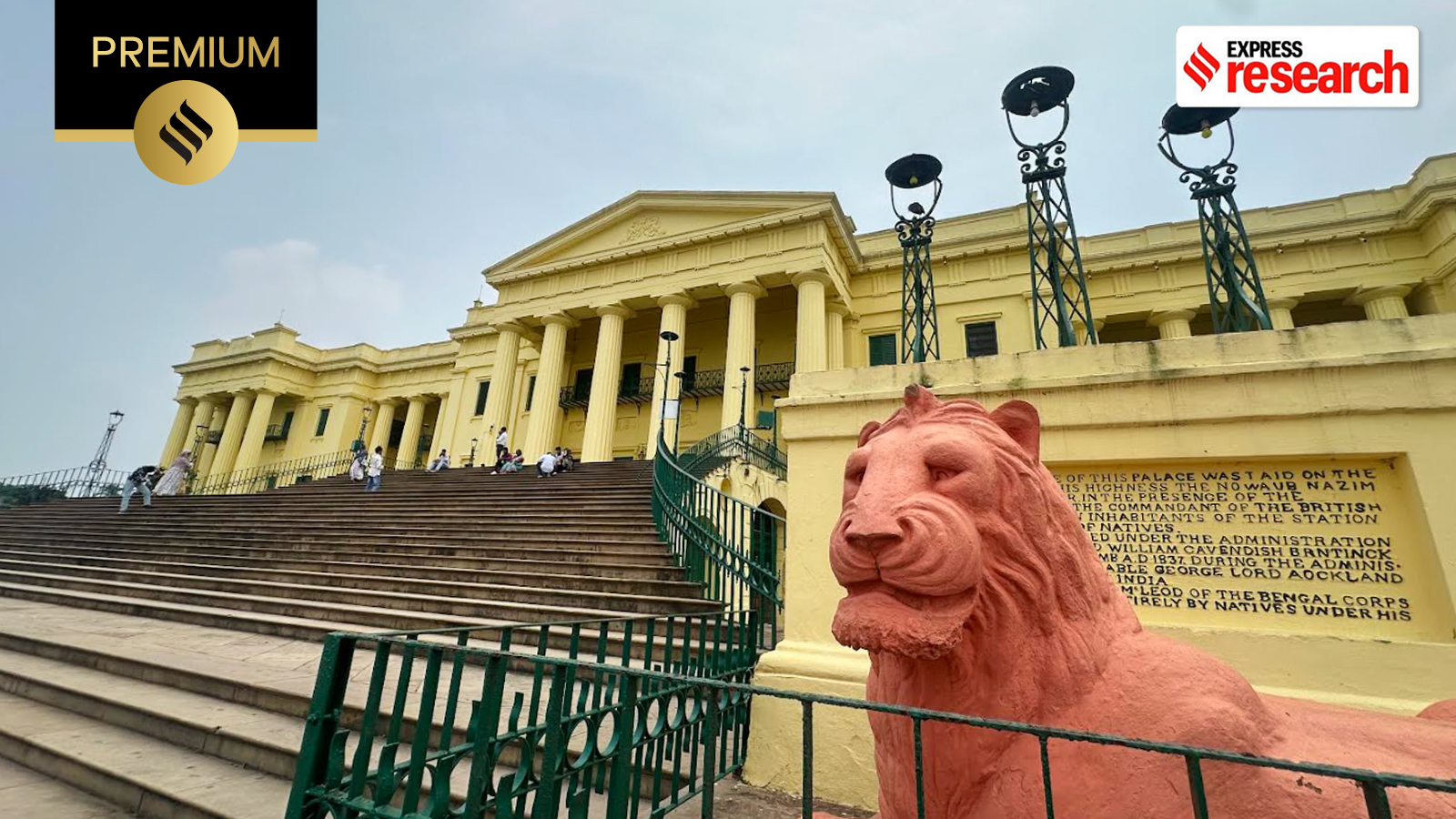
Murshidabad, a city in India, was once a very important capital, almost as big as Delhi!
It was a center of trade and culture.
The British came and took over, leading to changes.
Key figures betrayed their leaders.
The Jains, who were business people, also saw their power fade.
Now, Murshidabad faces economic challenges, with many people working in seasonal jobs.
This all made Murshidabad not what it could have been.

Murshidabad, once a significant capital, faces decline due to historical events and economic shifts.
The city's prosperity thrived during the era of Murshid Quli Khan, contributing significantly to national and global GDP.
The Battle of Plassey in 1757, and the involvement of key figures like Mir Jafar, led to British dominance.
The Jain community, known as Sheherwalis, were merchants and financiers; however, their influence waned.
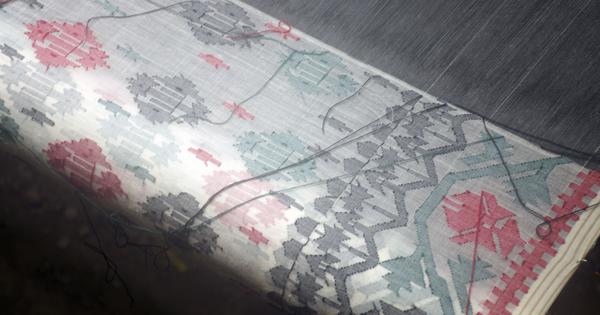
Modern Murshidabad struggles economically, with reliance on tourism and local industries like silk weaving.
- Who
- Nawabs, the British East India Company, the House of Jagat Seth, the Sheherwali community, and local residents.
- What
- The historical decline of Murshidabad from a prominent capital to its current state.
- When
- From the early 1700s through the present day, highlighting key events in the city's history.
- Where
- Murshidabad, Bengal, India.
- Why
- A combination of British influence, betrayal, and economic shifts led to Murshidabad's decline.
Descendants of Mir Jafar's View
British/Other's View (Implied)
Responsibility for the Fall
Descendants of Mir Jafar's View
Mir Jafar was not the only one responsible for the loss of independence.
British/Other's View (Implied)
N/A
- Former Capital
- Murshidabad
- River
- Bhagirathi
- Key Battle
- Plassey
- Notable Family
- Jagat Seth
- Sheherwali Origin
- Rajasthan
- Primary Industries
- Silk, Jute, Banking