

Archive · 17 Sep 2025
India's Commitment to Cleft Care and Child Health Equity
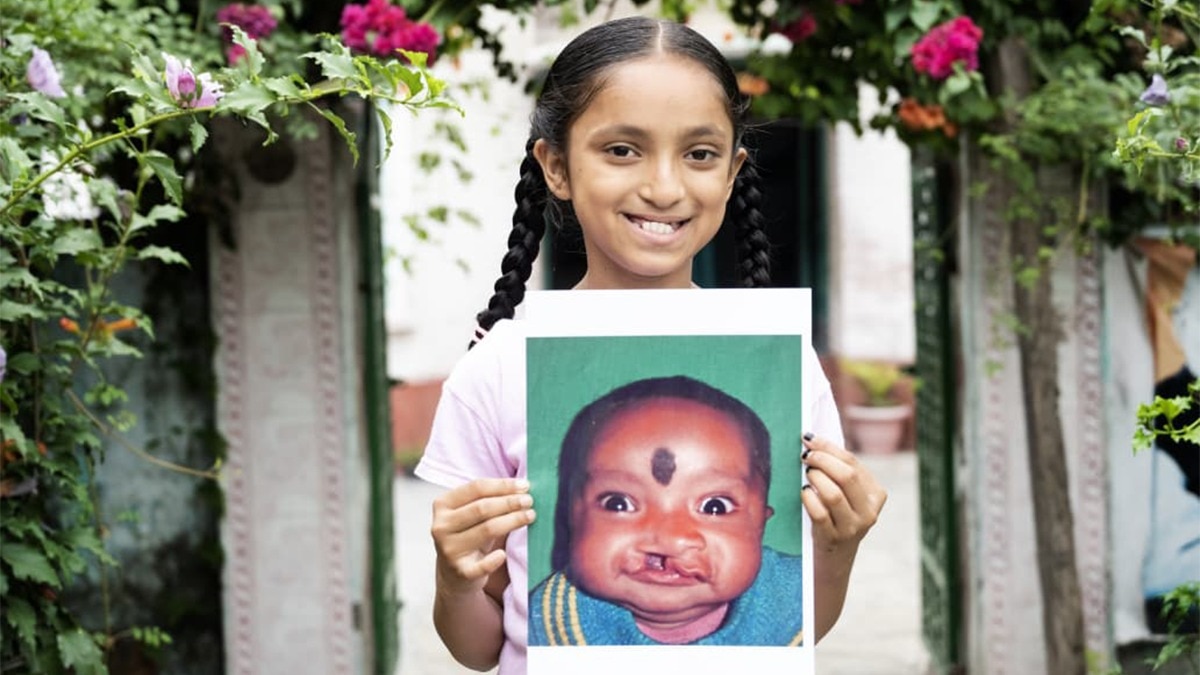
India is working hard to help kids be healthy, focusing on programs like RBSK.
The government is committed to improving child health and reaching goals like SDG 3.
The program finds and treats health issues early, including cleft lip and palate, which affects many babies.
With the help of timely care, a simple surgery can help these kids eat, breathe, and talk easily.
The government is working with organizations to ensure all kids get the care they need, which means a better life for every child.

India is committed to achieving the UN's SDG 3, focused on health.
The RBSK program is a key government initiative for child health.
RBSK uses the 4Ds approach for screening and management.
Cleft lip and palate affect over 35,000 babies yearly.
Timely intervention for cleft care dramatically improves a child's life.
- Who
- The Government of India, various health organizations and frontline health workers.
- What
- Efforts to improve child health, with a focus on cleft care, aligned with the UN Sustainable Development Goals.
- When
- Ongoing, with a focus on achieving SDG 3 by 2030.
- Where
- India, with initiatives at the community level and in healthcare institutions.
- Why
- To ensure early detection, timely interventions, and better health outcomes for children, especially those in underserved communities.
- Government Program
- Rashtriya Bal Swasthya Karyakram (RBSK)
- Focus
- Early detection and treatment of child health conditions
- Clefts Affected
- Over 35,000 babies in India annually
- SDG Target
- Good Health and Well-being (SDG 3)
- NMR (2023)
- 19 per 1000 live births
- IMR (2023)
- 25 per 1000 live births
- U5MR (2023)
- 29 per 1000 live births