Archive · 5 Nov 2025
Palestine Minister: India a Potential Bridge-Builder for Gaza Peace
Imagine a country called Palestine that wants to have its own land and be at peace.
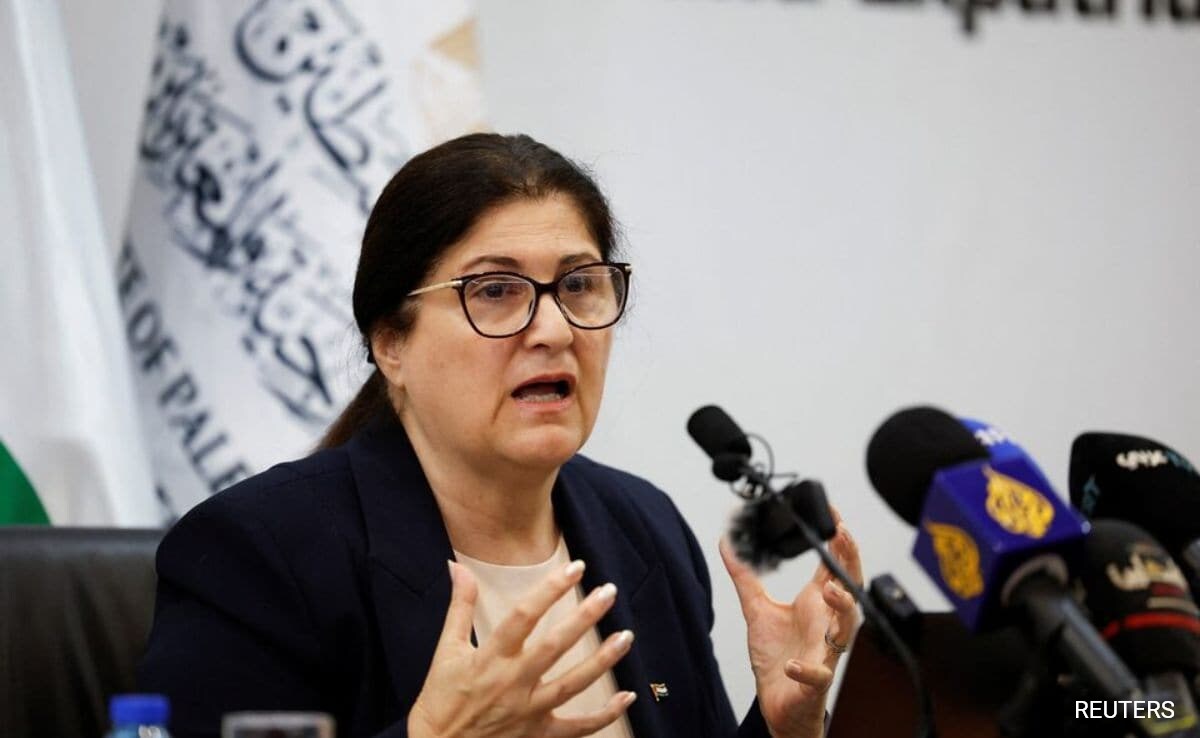
Their important leader, Minister Varsen Shahin, recently talked about a friend named India.
She said India has been a good friend for a very long time, helping with schools and hospitals.
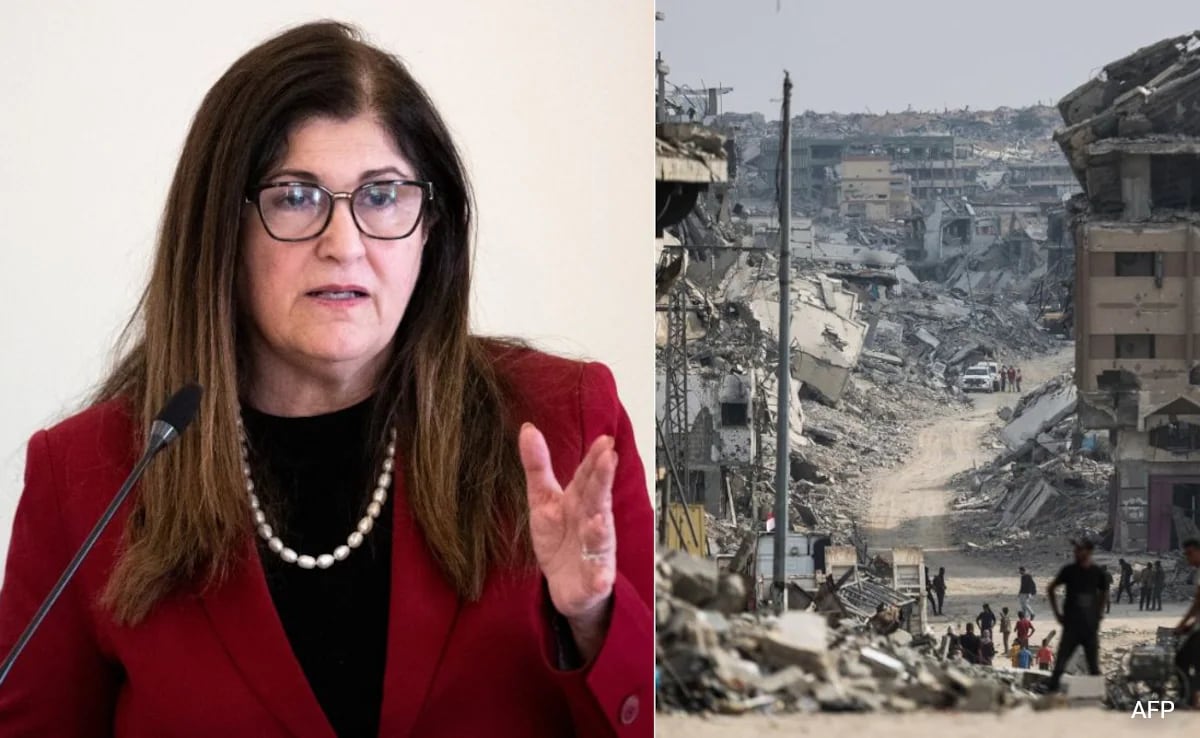
Now that a place called Gaza is damaged from a fight, she hopes India can help rebuild it, like helping with houses and power.
She also thinks India can help talk to everyone, even a country called Israel that Palestine has problems with, to find a peaceful solution.
She believes India, which is good at being fair and helping others, can be like a bridge to help everyone get along.
Even though Palestine knows India also talks to Israel, they think India's fairness can help make things better for everyone.
The minister said that while fighting is bad, it's important to understand why fighting starts, like unfairness, and that talking is the best way to find lasting peace.

Palestine's Foreign Minister Dr. Varsen Shahin calls India a 'trusted friend and potential bridge-builder for peace'.
India's historical support for Palestine, including its role in the 1970s and voting against the 1947 UN partition plan, was highlighted.
Dr. Shahin expressed hope for India's key role in Gaza's reconstruction, citing its expertise in housing, energy, and digital infrastructure.
Palestine views India's engagement with both Israel and Palestine as an opportunity to influence towards peace, not a threat.
The minister stressed addressing root causes of extremism like occupation and injustice, advocating for peace through dialogue.
- Who
- Palestine's Minister of Foreign Affairs, Dr. Varsen Shahin
- What
- Called India a 'trusted friend and potential bridge-builder for peace,' praising its historical support, ongoing development projects, and potential role in Gaza's reconstruction and reviving the two-state solution. She also condemned terrorism but stressed addressing root causes like occupation.
- When
- Wednesday, in an exclusive interview with NDTV.
- Where
- The context is the Middle East, specifically discussing relations between Palestine, India, and Israel, with a focus on Gaza and the West Bank.
- Why
- To highlight India's significance in promoting peace, reconstruction, and the two-state solution in the Palestinian territories, and to acknowledge its historical and ongoing support.
Palestine's Perspective
India's Diplomatic Position
India's Relationship with Israel
Palestine's Perspective
Palestine understands India's independent relations with both Palestine and Israel. They trust India's diplomacy is guided by international law and human rights, viewing India's relationship with Israel as an opportunity to influence Israel towards peace, not a threat.
India's Diplomatic Position
India maintains independent diplomatic and economic relations with both Israel and Palestine, seeking to balance these ties.
Root Causes of Extremism
Palestine's Perspective
Palestine condemns terrorism globally but stresses that ignoring occupation and injustice breeds more violence, advocating for addressing root causes through justice and dialogue.
India's Diplomatic Position
India officially supports peace through dialogue and has publicly stated sentiments like 'this is not an era of war,' suggesting a preference for peaceful resolution of conflicts.
- Palestine's Foreign Minister
- Dr. Varsen Shahin
- India's Role
- Praised as a 'trusted friend and potential bridge-builder for peace'.
- Historical Support
- India recognized the PLO in the 1970s and voted against the 1947 UN partition plan.
- Current Engagement
- India has ongoing projects in IT, women's empowerment, education, and healthcare in the West Bank and Gaza.
- Gaza Reconstruction
- India's technological and development expertise is seen as instrumental for reconstruction efforts.
- Dialogue for Peace
- Palestine endorses India's call for peace through dialogue, echoing PM Modi's 'not an era of war' statement.
- Terrorism Stance
- Condemnation of terrorism globally, with an emphasis on addressing root causes like occupation and injustice.