

Archive · 20 Jan 2026
RFK Jr. Reduces Recommended Childhood Vaccines
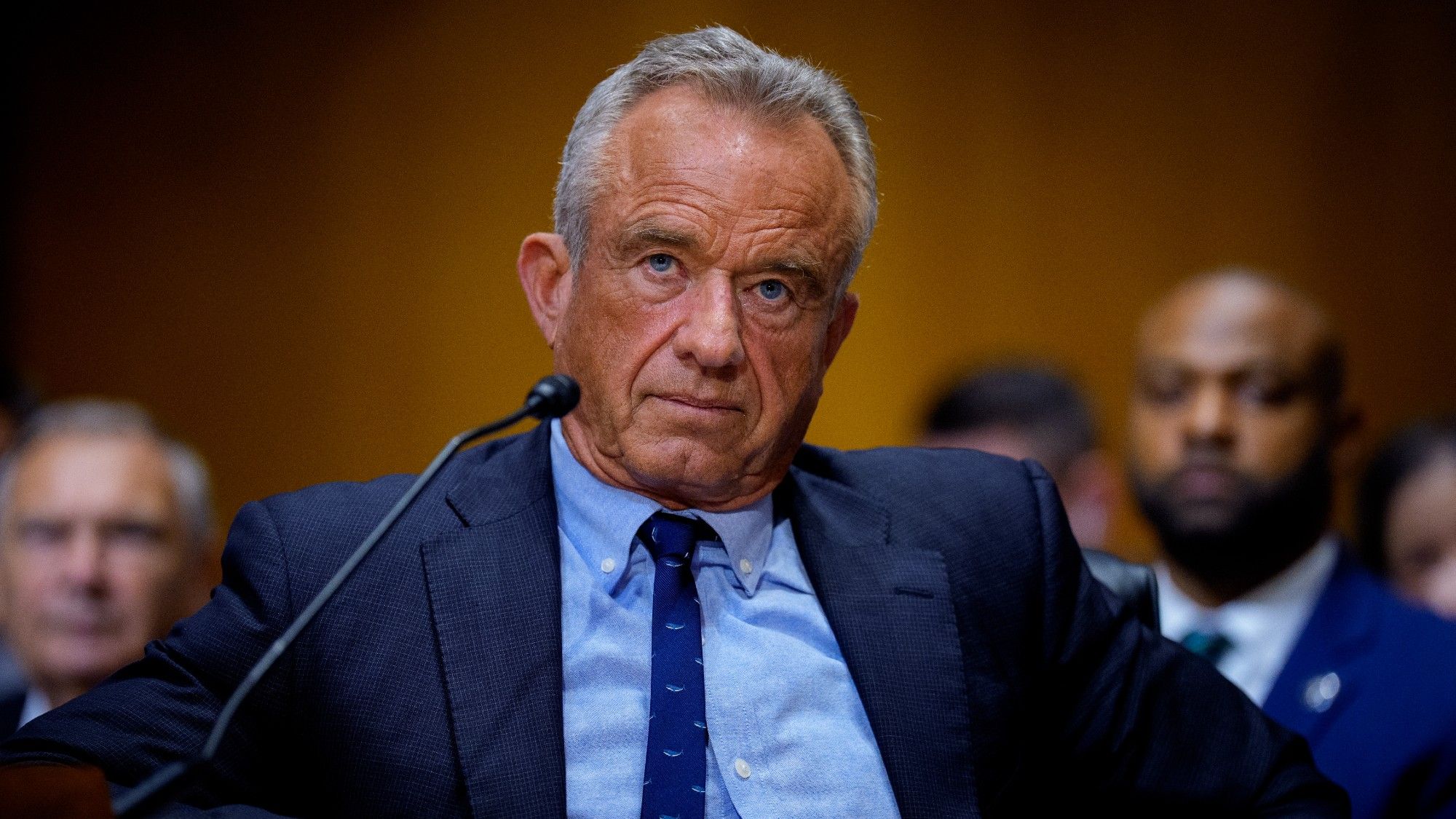
Health Secretary Robert F. Kennedy Jr. recently reduced the number of recommended childhood vaccines from 17 to 11.
This decision has sparked a lot of debate.
Critics say it puts children at risk and could lead to more diseases like measles and whooping cough.
They argue that the decision is not based on science but on politics.
On the other hand, supporters say it gives parents more choice and aligns with countries like Denmark.
They believe that if new data were available, it would be reasonable to re-evaluate the vaccine schedule.
However, critics warn that this could lead to more hospitalizations and a decline in public health.
The decision has significant implications for the health and safety of children across the United States.

Health Secretary Robert F. Kennedy Jr. reduced the number of recommended childhood vaccines from 17 to 11.
The decision has sparked debate, with critics arguing it puts children at risk and supporters claiming it gives parents more choice.
Critics warn of increased disease and hospitalizations, while supporters align the decision with countries like Denmark.
The move is seen as politically motivated by critics, who emphasize the importance of scientific evidence.
The decision has significant implications for public health and the safety of children in the United States.
- Who
- Health Secretary Robert F. Kennedy Jr.
- What
- Reduced the number of recommended childhood vaccines from 17 to 11
- When
- Last week
- Where
- United States
- Why
- To align with Denmark's vaccine schedule and give parents more choice, according to supporters; critics argue it is politically motivated and ignores scientific evidence
Critics of RFK Jr.
Supporters of RFK Jr.
Vaccine Reduction
Critics of RFK Jr.
Critics argue that reducing the number of recommended vaccines puts millions of children at risk, especially with the resurgence of diseases like measles and whooping cough.
Supporters of RFK Jr.
Supporters claim that RFK Jr. is giving parents more choice and aligning with countries like Denmark, which has a smaller and less diverse population.
Scientific Basis
Critics of RFK Jr.
Critics state that the decision is politically motivated and ignores decades of scientific evidence supporting the current vaccine schedule.
Supporters of RFK Jr.
Supporters argue that if new data were presented, it would be reasonable to re-evaluate the vaccine schedule, emphasizing the importance of evolving science.
Public Health Impact
Critics of RFK Jr.
Critics warn that the reduction in vaccines will lead to more disease and hospitalizations, reversing progress made in protecting children from preventable illnesses.
Supporters of RFK Jr.
Supporters believe that the decision empowers parents to make informed choices about their children's health, potentially reducing unnecessary vaccinations.
- Number of Vaccines Reduced
- From 17 to 11
- Vaccines Dropped
- Covid, flu, hepatitis A and B, RSV, and meningitis
- Critics' Concerns
- Increased risk of disease, hospitalizations, and resurgence of preventable illnesses
- Supporters' Arguments
- Giving parents choice, aligning with Denmark's vaccine schedule
- Scientific Evidence
- Critics argue the decision is politically motivated; supporters suggest re-evaluation based on new data