

Archive · 15 Aug 2025
Gulab Jamun: A Sweet Journey Through History and Taste
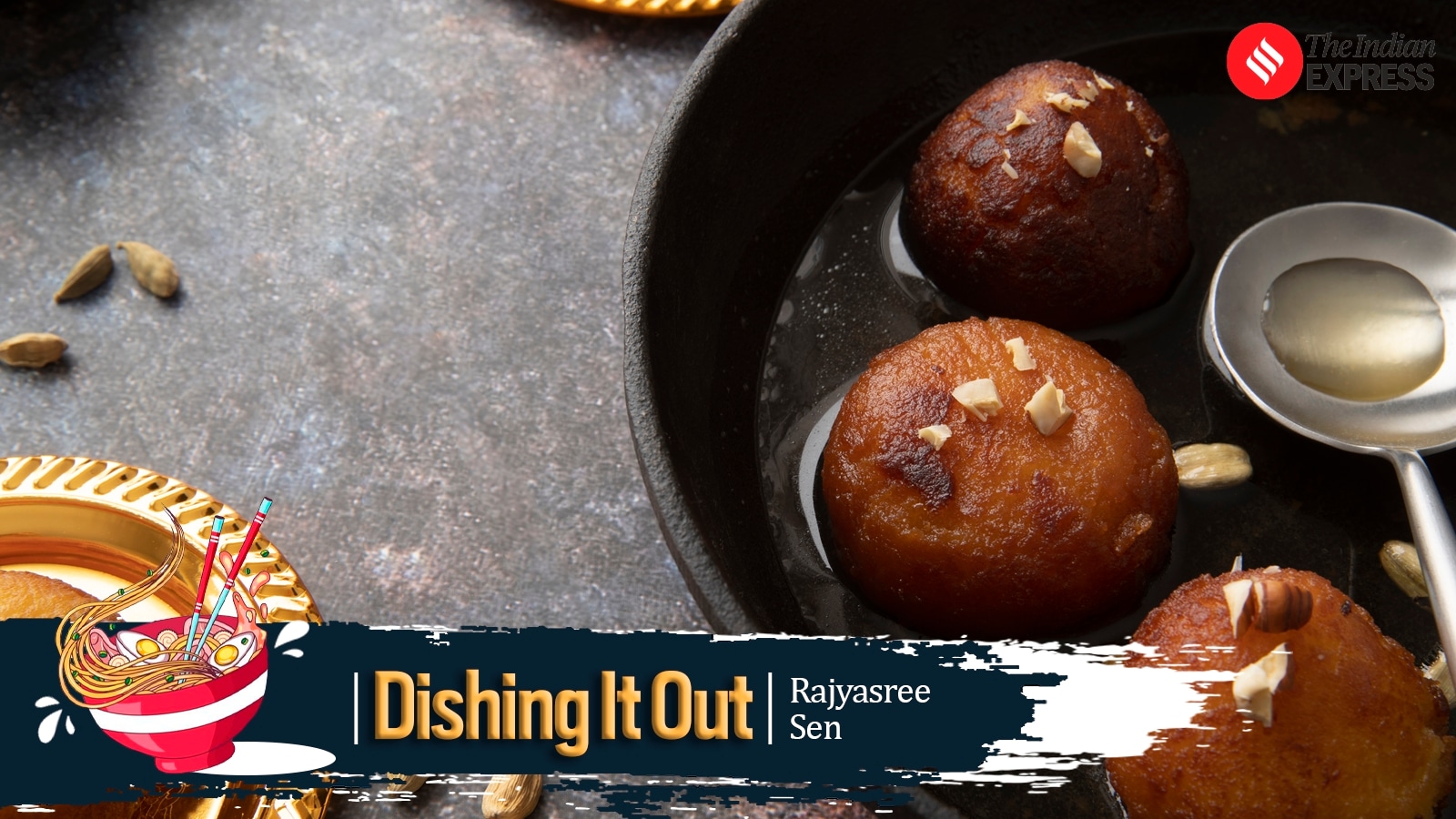
Gulab jamun is a sweet treat enjoyed in many South Asian countries.
It's made by frying dough balls and soaking them in sugary syrup.
No one knows exactly where it came from, maybe from Turkish invaders or Mughal chefs long ago.
Similar desserts exist in other places, but the recipe is adapted depending on the culture.
People use different ingredients and shapes, with versions like Bengal's kalo jaam and ledikenni for Lady Canning, both having a distinctive look and flavor.
It's a simple dessert with a lot of history, enjoyed for centuries.

Gulab jamun is a popular South Asian dessert made of fried dough balls soaked in sugar syrup.
Its origins are debated, with theories pointing to Central Asian Turkish invaders or Mughal chefs.
The dessert is similar to the Arabic luqmat-al-qadi and has regional variations.
Recipes vary, using ingredients like milk powder, flour, and flavorings such as rosewater and cardamom.
Variants include kalo jaam from Bengal and ledikenni, created for Lady Canning.
- Who
- Likely brought to the subcontinent by Central Asian invaders or Mughal chefs.
- What
- Gulab jamun, a deep-fried milk-based dessert soaked in sugar syrup.
- When
- Originating from the 13th century or earlier.
- Where
- Popular in India, Pakistan, Bangladesh, Nepal, and the wider subcontinent.
- Why
- To satisfy a sweet tooth; recipes evolved over time and across regions.
Origin Theories
Alternative Theories
Origin Debate
Origin Theories
Gulab jamun's origins trace back to Central Asian Turkish invaders.
Alternative Theories
The dessert originated with the Mughal Emperor Shah Jahan's chefs.
- Main Ingredients
- Milk powder, flour, butter, cream (or milk), and sugar syrup
- Popularity
- Widespread across South Asia
- Regional Variants
- Kalo jaam (Bengal), ledikenni
- Name Meaning
- Rose fruit (gulab - rose, jamun - Java plum)
- Similar Desserts
- Luqmat-al-qadi, bamiyeh, tulumba, and lokma