Archive · 2 Sep 2026
Maharashtra Family Welcomes First Daughter in Nearly 200 Years
A family in Maharashtra welcomed a baby girl named Gargi.
The family said no girl had been born there for nearly 200 years.
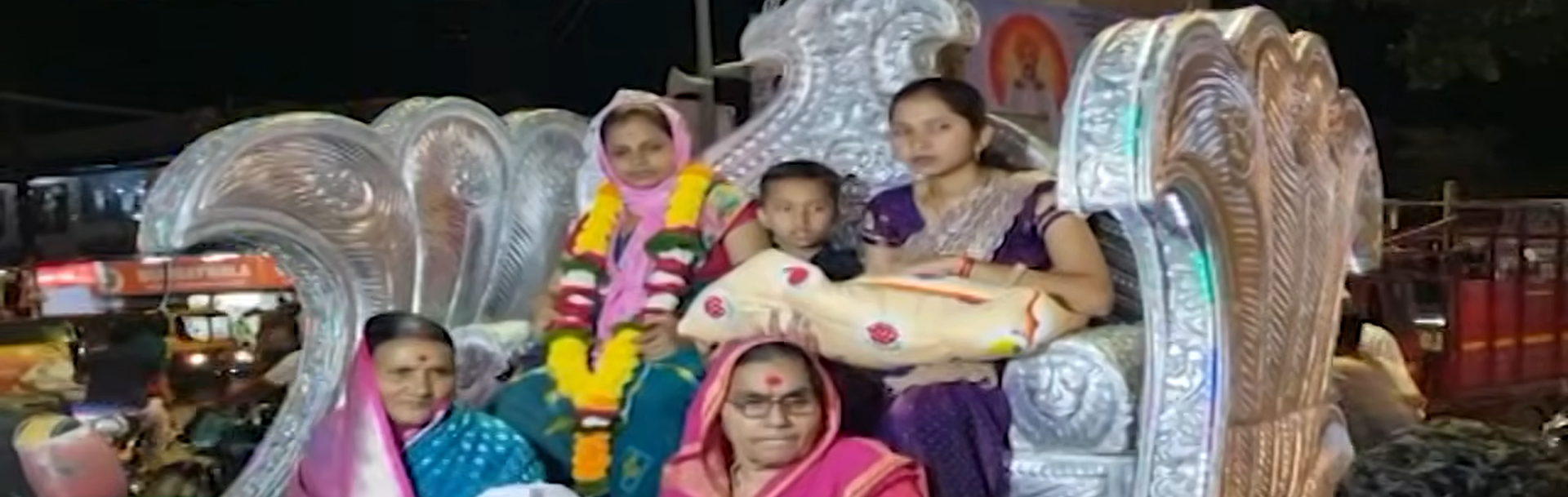
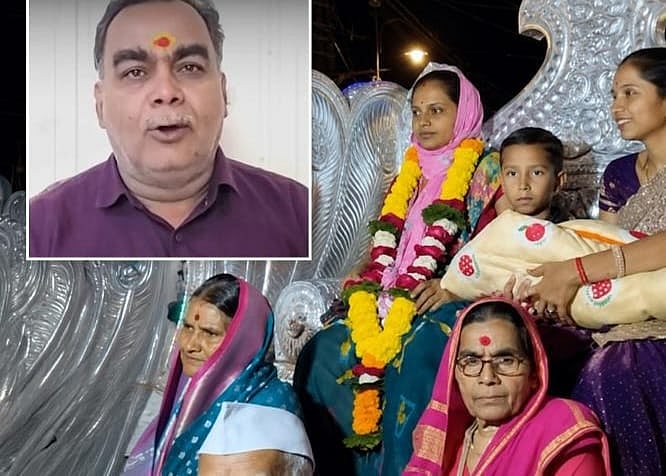
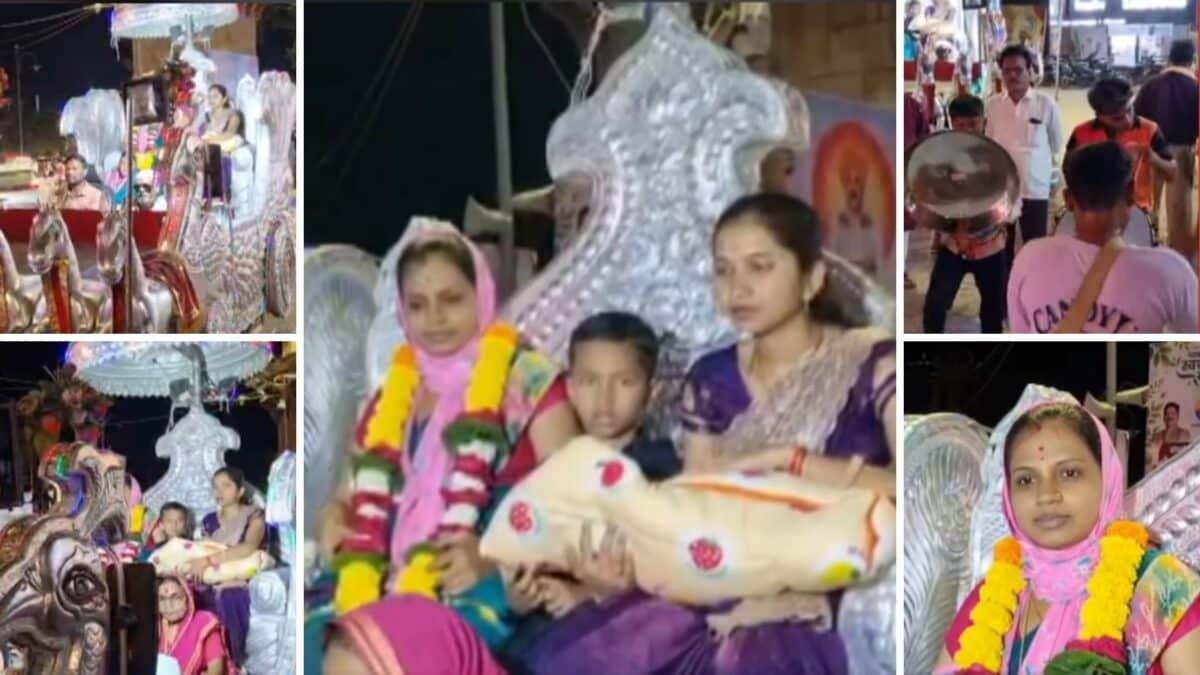
Gargi and her mother were brought home from the hospital in a special decorated chariot.
Relatives and neighbors joined a large celebration.
There were drums, cymbals, dancing, fireworks, flowers, lights, and sweets.
Gargi’s grandparents and father said they were very happy to have a daughter.
Her grandmother compared her arrival with Goddess Lakshmi.
The family said the celebration showed that girls should be welcomed with joy and respect, just like boys.

The Dahiphale family in Parli, Maharashtra, celebrated the birth of Gargi, reportedly the first girl born in the family in nearly 200 years.
After Gargi and her mother were discharged from hospital, relatives brought them home in a decorated chariot procession.
The celebration included traditional drums, cymbals, dancing, fireworks, decorations, an entrance aarti, and distribution of sweets.
Family members described Gargi as a blessing and compared her arrival with Goddess Lakshmi.
The celebration was presented as a positive message against gender discrimination in Beed, a district affected by female foeticide and an uneven child sex ratio.
- Who
- The Dahiphale family, including Gargi, her mother, grandparents, and father Rishikesh Dahiphale.
- What
- The family welcomed Gargi with a grand chariot procession after reportedly going nearly 200 years without a daughter.
- When
- Gargi was born on Thursday according to one report; she and her mother were discharged and brought home on Saturday. The event was reported on September 2, 2026.
- Where
- Parli taluka, Beed district, Maharashtra, India; the family residence was reported to be in Indiranagar, Parli.
- Why
- The family wanted to celebrate the rare birth and express its happiness while promoting acceptance of daughters.
Welcoming Daughters
Traditional Son Preference
Meaning of the celebration
Welcoming Daughters
Family members and local social activists presented the chariot procession as a joyful welcome for daughters and a positive social message.
Traditional Son Preference
Reports said some families and communities continue to favor sons because of family-name expectations, dowry pressures, and the perceived secondary status of women.
Social significance
Welcoming Daughters
The family said Gargi would be cherished and raised lovingly, showing that a daughter can be treated as a blessing rather than a burden.
Traditional Son Preference
The reports described longstanding gender bias and female foeticide in parts of Beed, indicating that daughters still face discriminatory attitudes.
- Baby’s name
- Gargi
- Family
- Dahiphale family
- Reported gap
- Nearly 200 years without a daughter
- Welcome ceremony
- A decorated chariot procession with drums, cymbals, dancing, fireworks, aarti, and sweets
- Family symbolism
- Gargi was compared with Goddess Lakshmi, the Hindu goddess of wealth
- Regional context
- Reports cited gender discrimination, illegal female foeticide, and a child sex ratio of about 801 girls per 1,000 boys in the 2011 census, later described as about 865 per 1,000
- Reported discrepancy
- Accounts variously described the birth as spanning four generations or arriving in the fifth generation
Sources
First baby girl in 200 years, Maharashtra family welcomes her in chariot
WATCH: After Nearly 200 Years, Family In Maharashtra's Beed Welcomes Girl Child With Drums, Fireworks & Sweets
Maharashtra’s ‘Princess Treatment’: Family Celebrates Birth Of A Girl After 200 Years, Brings Her Home In Chariot