Archive · 17 Dec 2025
Karnataka Deploys Tech and Teams to Prevent Human-Wildlife Conflicts
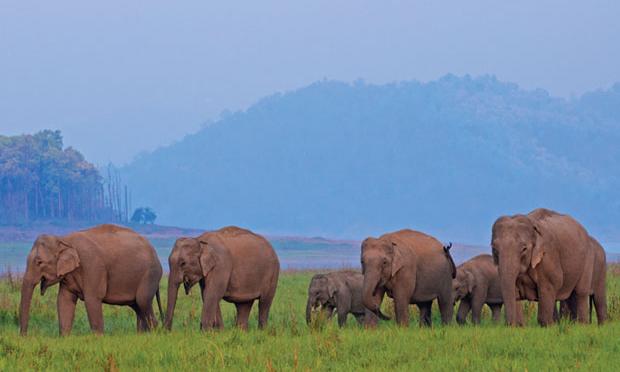
Karnataka has a lot of elephants and tigers, and sometimes they come into areas where people live, which can cause problems.
The government is trying to stop this by using special teams, drones, and cameras to watch the animals.
They are also building fences and trenches to keep the animals in the forest.
These teams will work for a few months, and the government is making a plan to keep this going for five years.
They want to make sure both the animals and the people are safe.

Karnataka has 6,395 elephants and 563 tigers, leading to human-wildlife conflicts.
The government has deployed Rapid Response Teams equipped with drones and cameras to monitor and prevent conflicts.
Personnel from anti-poaching camps are temporarily deployed along forest fringes for the next three months.
Solar-powered fencing, elephant-proof trenches, and railway sleeper barricades have been constructed to prevent animals from straying.
A five-year strategic plan to reduce human-wildlife conflict is currently under review.
- Who
- Karnataka government, Forest Minister Eshwar Khandre, MLC Dr Timmayya
- What
- Deployment of Rapid Response Teams, drones, cameras, and barricades to prevent human-wildlife conflicts
- When
- Measures are currently being implemented and reviewed
- Where
- Karnataka, India, particularly in conflict-prone forest areas
- Why
- To reduce human-wildlife conflicts and ensure the welfare of wildlife, especially elephants and tigers
- Number of Elephants in Karnataka
- 6,395
- Number of Tigers in Karnataka
- 563
- Duration of Patrol Deployment
- 3 months
- Total Length of Solar-Powered Fencing
- 428 km
- Technologies Used
- Drones, GSM cameras with Garuda software, camera traps