3 weeks ago
Indigenous-Inspired Costumes at Miss Universe Canada Spark Backlash

At a big beauty contest in Canada, two women wore outfits inspired by Indigenous people, the first people who lived in North America.
Some people thought the costumes were disrespectful because they used special symbols without asking or explaining them.
One costume had a feather headdress, which is normally only worn by very respected Indigenous leaders, and a red handprint that reminds people of Indigenous women and girls who have gone missing or been hurt.
Another costume had fur, fur boots called mukluks, and braids.
Ashley Callingbull, the first Indigenous woman to win this contest, said she was shocked to see the costumes on stage.
She is a co-host of the show, and she said the contest needs clear rules about how to use Indigenous culture properly.
The people running the contest apologized and said they never meant to hurt anyone.
They promised to write a new guide of rules for future costumes.
The two women who wore the costumes also said sorry.

Two contestants at the 2026 Miss Universe Canada competition wore Indigenous-inspired costumes during the national costume segment on August 4 in Windsor, Ontario.
Karisa Haverkamp wore a feathered headdress and a red handprint symbolizing the Missing and Murdered Indigenous Women and Girls (MMIWG) movement.
Jasleen Kaily presented an "Arctic Beauty" look featuring an all-fur dress, fur mukluk boots, and two braids.
Co-host Ashley Callingbull, the first Indigenous woman to win Miss Universe Canada, publicly criticized the looks and called for clear guidelines on Indigenous cultural representation.
Miss Universe Canada apologized, said any offense was unintentional, and is developing a comprehensive Costume Guide for future competitions.
- Who
- Contestants Karisa Haverkamp and Jasleen Kaily, co-host and former winner Ashley Callingbull, pageant director Sonny Borrelli, and the Miss Universe Canada organization.
- What
- A controversy erupted over Indigenous-inspired costumes worn during the national costume segment, with critics accusing the pageant of using culturally significant symbols without proper context or consultation.
- Where
- Windsor, Ontario, Canada.
- When
- August 4, 2026, during the national costume segment of the 2026 Miss Universe Canada competition, with Callingbull addressing the issue during the final Saturday.
- Why
- Culturally significant elements such as a feathered headdress and an MMIWG red handprint were used without sufficient cultural context, prompting concerns about respect for Indigenous traditions.
Critics of the costumes
Pageant and contestants
Use of Indigenous symbols
Critics of the costumes
Culturally significant items like the feathered headdress and MMIWG red handprint were used without adequate cultural context or consultation, making it especially shocking since the pageant had an Indigenous winner two years ago.
Pageant and contestants
The national costume segment is designed to celebrate creativity, heritage, and identity, and the organization said causing offense was never its intention.
Guidelines for cultural representation
Critics of the costumes
Ashley Callingbull stressed the need for clear guidelines to determine whether contestants are Indigenous before culturally specific items are incorporated into pageant presentations.
Pageant and contestants
The organization acknowledged presentations require care and ongoing evaluation and is working on a comprehensive Costume Guide to establish clearer standards and prevent similar situations.
Key facts
- Event
- 2026 Miss Universe Canada national costume segment
- Date of segment
- August 4
- Location
- Windsor, Ontario
- Contestants involved
- Karisa Haverkamp, Jasleen Kaily
- Criticism led by
- Ashley Callingbull (2024 winner and co-host)
- Pageant director
- Sonny Borrelli
- Disputed elements
- Feathered headdress, MMIWG red handprint, fur dress, mukluks, braids
- Organization's response
- Apology and development of a comprehensive Costume Guide
Quotes

Ashley Callingbull
Miss Universe Canada 2024 titleholder and co-host
“"My jaw kind of dropped," she said, adding she was shocked because she had previously represented the organisation as its first Indigenous winner.”
 freepressjournal.in
“"I just couldn’t believe that it was real. In my mind, I’m thinking they had an Indigenous winner, me, two years ago. This can’t be happening."”
freepressjournal.in
Sources
Related news
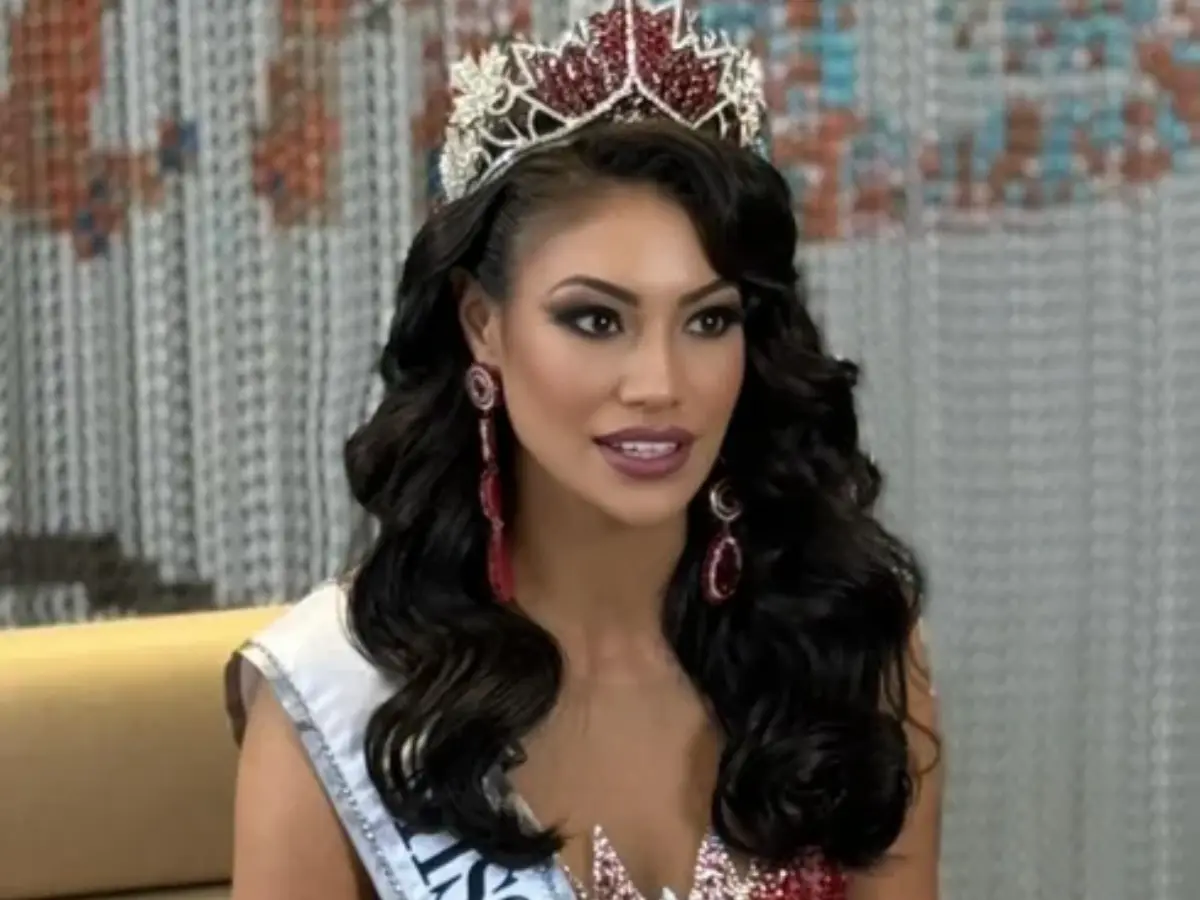
Former Miss Universe Canada Stops Pageant Over Indigenous Costume Controversy
Miss Universe India 2026 Weighs In On Kriti Sanon Ad
Viral Video Fuels Claims Sushmita Sen Ignored Pageant Winner

Miss Universe India 2026 Costume Celebrates Manipur’s Sporting Heritage
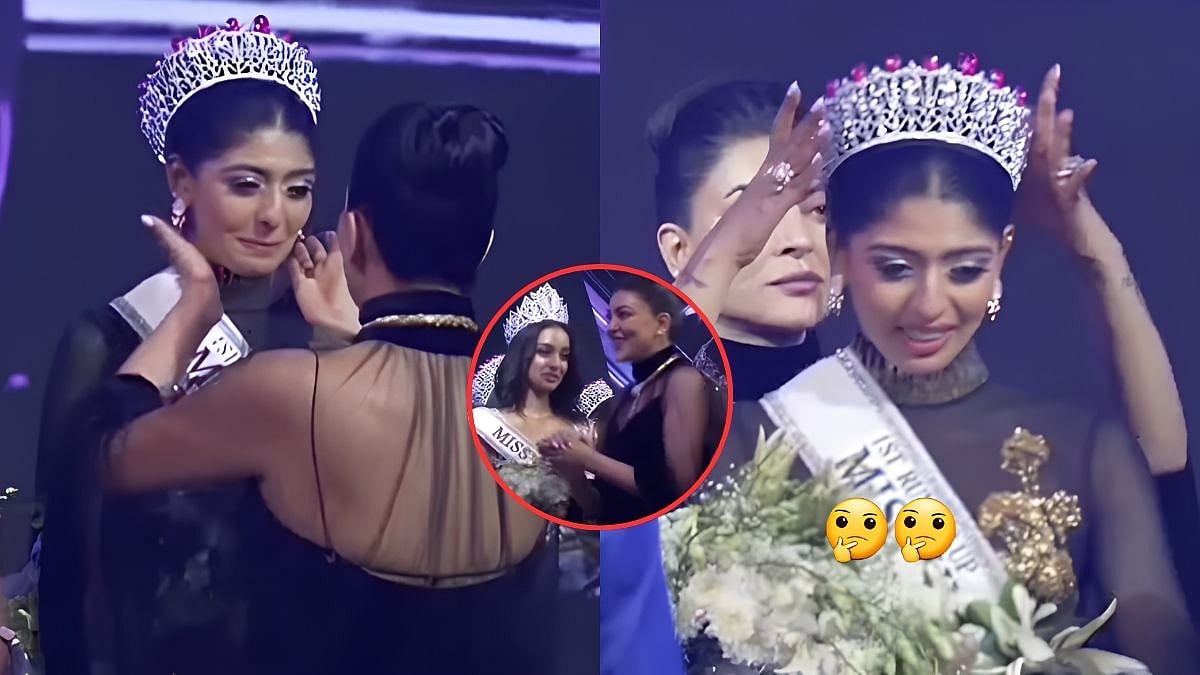
Viral Video Sparks Debate Over Sushmita Sen’s Miss Universe Interaction