

1 month ago
Acharya Balkrishna advises retaining rice water for nutrition
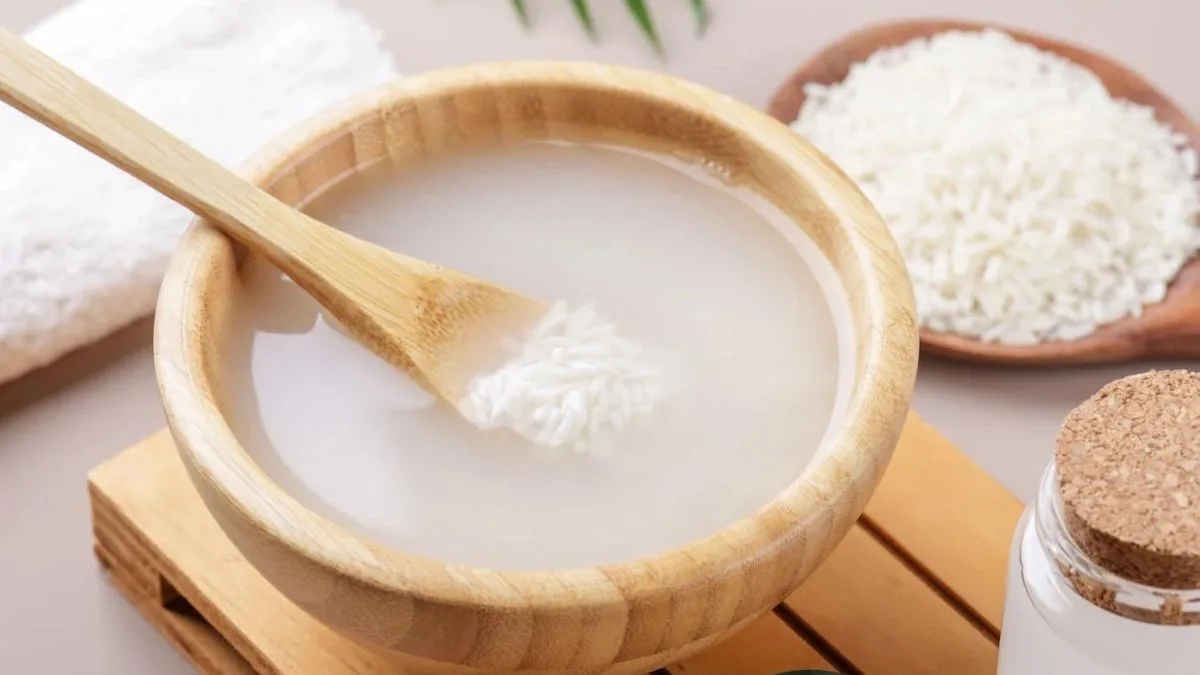
Acharya Balkrishna, a well-known figure in Ayurveda, recently shared a health tip on Facebook.
He advised people not to throw away the water left after boiling rice, known as 'maand' in Hindi.
This water is rich in protein, vitamins, minerals, and antioxidants.
Many people drain this water to get the right texture for their rice, but doing so means losing these nutrients.
Experts recommend cooking rice using the absorption technique, where the rice absorbs all the water it needs, keeping all the nutrients intact.
This small change in cooking can make a big difference in the nutrition people get from their meals, especially since rice is a staple food in many households.

Acharya Balkrishna advises retaining rice water for its nutritional benefits.
Rice water contains protein, vitamins, minerals, and antioxidants.
Traditional cooking methods involve draining rice water, leading to nutrient loss.
The absorption technique is recommended to retain all nutrients in the rice.
Small changes in cooking practices can significantly impact daily nutrition.
- Who
- Acharya Balkrishna, co-founder of Patanjali Ayurved and Vice Chancellor of Patanjali University in Haridwar.
- What
- Advice on retaining rice water for its nutritional benefits.
- Where
- India, particularly in the context of Indian households.
- When
- Recently posted on Facebook.
- Why
- To highlight the nutritional value of rice water and encourage healthier cooking practices.
Traditional Cooking Method
Nutrition-Focused Cooking Method
Cooking Technique
Traditional Cooking Method
Boiling rice in excess water and draining it for better texture.
Nutrition-Focused Cooking Method
Using the absorption technique to cook rice, retaining all the water and nutrients.
Nutritional Value
Traditional Cooking Method
Draining rice water results in the loss of water-soluble nutrients like vitamins, minerals, and antioxidants.
Nutrition-Focused Cooking Method
Retaining rice water ensures that all nutrients are absorbed back into the rice.
Key facts
- Acharya Balkrishna
- Co-founder of Patanjali Ayurved and Vice Chancellor of Patanjali University in Haridwar.
- Rice Water
- Contains protein, vitamins, minerals, antioxidants, and trace amino acids.
- Cooking Methods
- Traditional method involves boiling rice in excess water and draining it; absorption technique involves cooking rice in measured water.
- Nutritional Impact
- Draining rice water leads to the loss of significant nutritional value.
- Daily Consumption
- Rice is a staple food in most Indian households.
Quotes

Acharya Balkrishna
Co‑founder of Patanjali Ayurved
“When you boil rice, they don’t stay locked inside the grain. They leach out into the water around it.”
 thestatesman.com
“that cloudy, starchy water left over after boiling rice — called “maand” in Hindi — isn’t waste.”
thestatesman.com
Sources
Related news

30 judges appointed to four high courts on Saturday

India's IAF pushes for information superiority on networked battlefield

Delhi Government Order to Regulate School Fees from 2026-27

East Zone Faces South Zone In Duleep Trophy Final After 54 Years

Premier League to Publish Weekly Referee and VAR Decision Reviews

UK and Ukraine Open Battlefield AI Partnership Amid War

Baba Ramdev: Corruption hollowing out India's foundations on Independence Day

Patanjali Launches First Residential UPSC Batch
Patanjali and Meerut University Sign MOU for Agricultural Growth
Shah Highlights Indian Tradition at Events
