

Archive · 24 Jul 2026
El Niño Intensifies India's Reliance on Coal Energy
El Niño is a weather pattern that can make some places warmer and drier.
In India, this has led to a decrease in hydropower, which is electricity made from water.
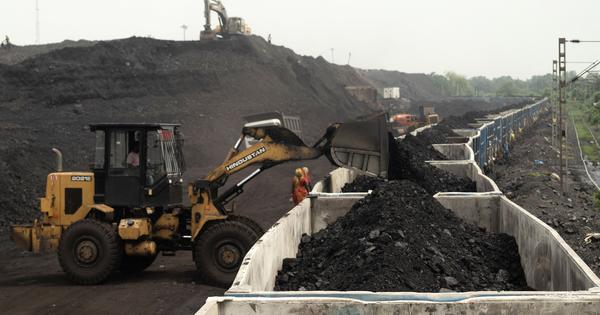
Because of this, India is using more coal to make electricity.
This is a problem because coal is not good for the environment, but it helps meet the increased demand for electricity.
Other countries in Asia are also facing similar issues.
Experts say that if El Niño continues, the situation might get worse, leading to more use of coal and higher pollution.

India's hydropower generation declined by 6.3 aGW in June 2024 due to El Niño.
Electricity demand increased by 24.3 aGW, leading to a 20.7 aGW rise in coal-fired generation.
Solar and wind generation rose by a combined 9.4 aGW but could not offset the hydropower decline.
India and Vietnam accounted for nearly 80% of the regional decline in hydropower generation.
El Niño conditions are expected to persist, potentially leading to a generation gap of 18 terawatt-hours and additional 17 million tonnes of CO2 emissions.
- Who
- India, Japan, South Korea, Bangladesh, the Philippines, Malaysia
- What
- Decline in hydropower generation and increased reliance on coal energy due to El Niño
- When
- June 2024, with projections for July and August
- Where
- Asia, particularly India and Vietnam
- Why
- El Niño conditions affecting rainfall patterns and reservoir inflows, leading to increased electricity demand and reduced renewable energy generation
Environmental Concerns
Energy Security
Impact on Renewable Energy
Environmental Concerns
El Niño reduces hydropower and wind generation, posing a challenge to renewable energy goals.
Energy Security
Coal energy provides a reliable alternative to meet increased electricity demand during El Niño conditions.
Environmental Impact
Environmental Concerns
Increased coal usage leads to higher carbon dioxide emissions, exacerbating climate change.
Energy Security
Ensuring energy security and meeting electricity demand is crucial for economic stability and public welfare.
- Hydropower Decline
- 6.3 aGW in June 2024
- Electricity Demand Increase
- 24.3 aGW in June 2024
- Coal-Fired Generation Increase
- 20.7 aGW in June 2024
- Solar and Wind Generation Increase
- 9.4 aGW in June 2024
- Projected Generation Gap
- 18 terawatt-hours due to reduced renewable output and higher demand
- Additional CO2 Emissions
- 17 million tonnes