Archive · 7 Oct 2026
India-US Trade Talks Plateau Amid Disputes Over Tariffs
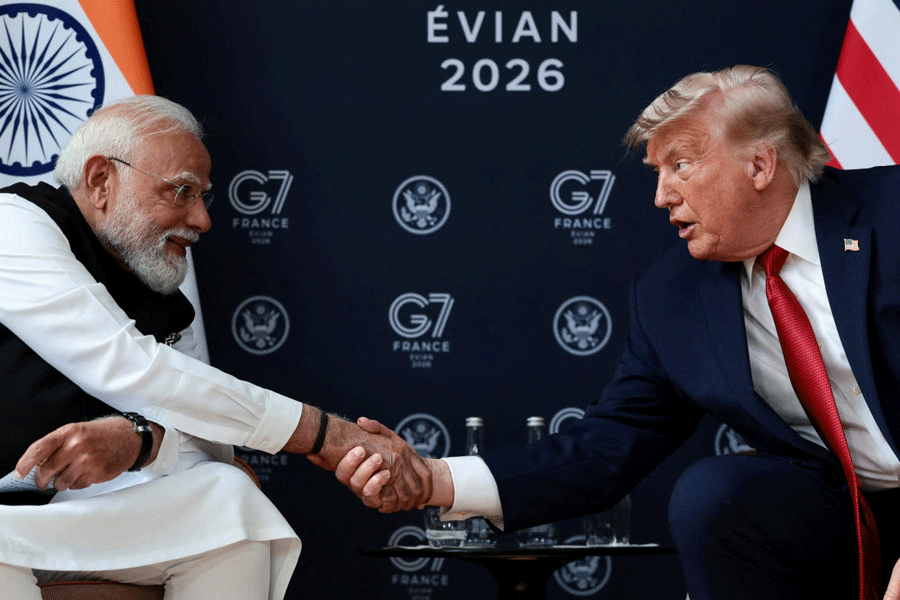
India and the United States are still talking about a trade deal.
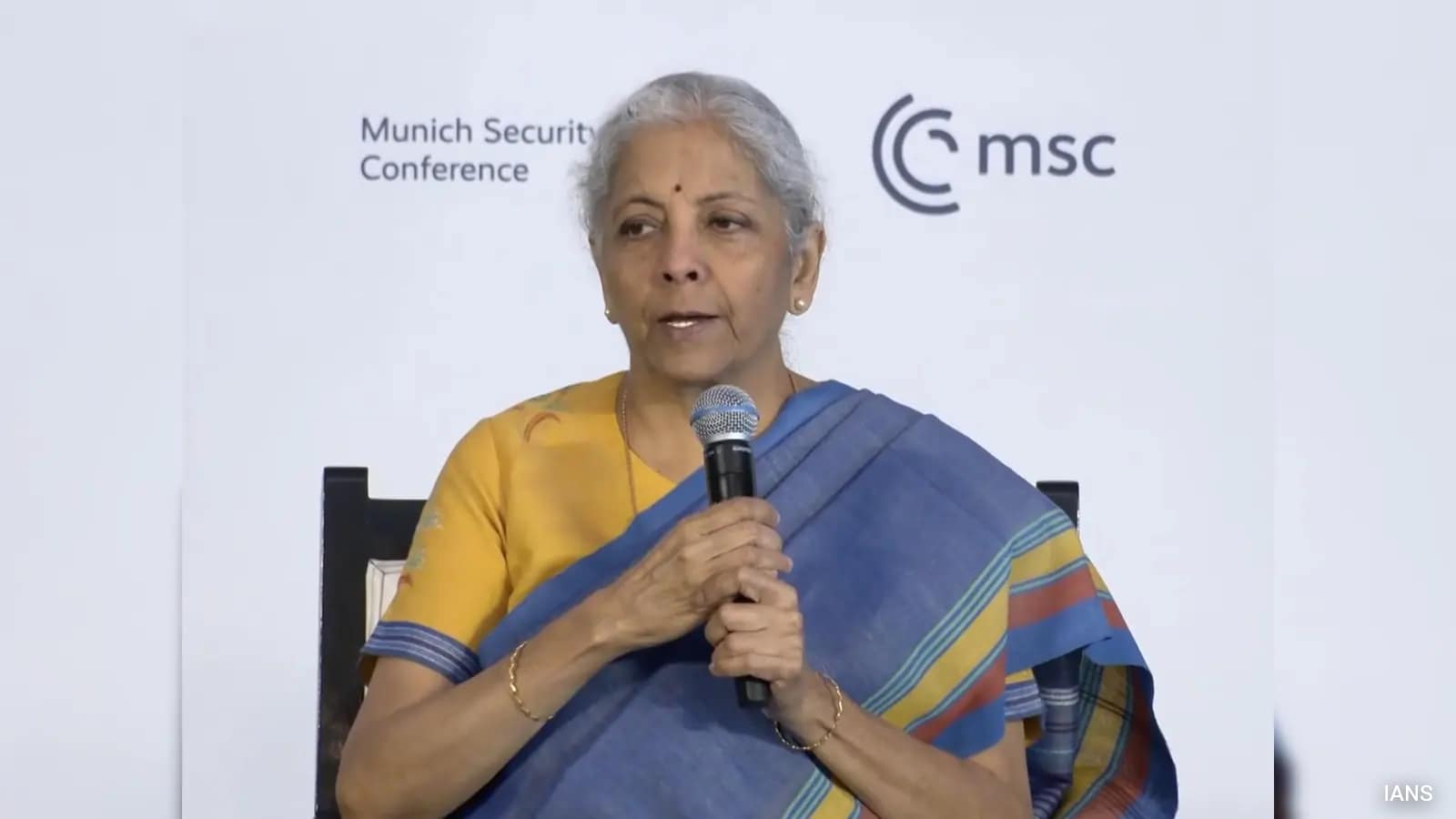
India’s finance minister, Nirmala Sitharaman, said the talks have reached a difficult point, where it may be hard for either side to give more.
A US trade representative also said a deal is not close yet because many issues remain unsettled.
The countries announced an interim trade framework in February 2026, but they are still working on a bigger agreement.
One editorial says US tariff threats and changing demands make it harder to reach a deal.
Another says the two countries can still find a way forward if they negotiate patiently.
A US law mentioned in the editorials lets the president impose tariffs of up to 100% on countries that buy Russian oil and gas.
Sitharaman also described how India and the European Union plan to open many areas of trade to each other.

Finance Minister Nirmala Sitharaman said India-US trade negotiations remain ongoing but may have reached a point where further concessions are difficult.
US Trade Representative Jamieson Greer said a deal was not imminent and that the countries had identified numerous sticking points.
A February 2026 interim framework includes reciprocal tariff and market-access commitments, while talks continue on a broader bilateral agreement.
One editorial criticized Washington’s changing demands and tariff threats; another argued patience and diplomacy could still move negotiations forward.
Sitharaman said India plans to open 92.5% of tariff lines and about 97% of trade value under its EU agreement; the US law cited in an editorial authorizes tariffs of up to 100% on countries buying Russian oil and gas.
- Who
- India and the United States; Finance Minister Nirmala Sitharaman and US Trade Representative Jamieson Greer commented on the negotiations.
- What
- The countries are negotiating trade agreements, but officials say the talks face difficult unresolved issues.
- When
- Sitharaman spoke on Monday at the Munich Leaders Meeting 2026; the interim framework was announced in February 2026.
- Where
- The remarks were made at the Munich Leaders Meeting in Munich; the negotiations concern India-US trade.
- Why
- The countries differ over trade terms and market access; the United States is seeking to reduce its trade deficit, and editorials cited US tariff measures related to Russian energy purchases as an added complication.
Negotiations can still advance
Talks face serious obstacles
Prospects for a trade agreement
Negotiations can still advance
One editorial argues that both countries stand to gain from trade, resilient supply chains, and technology cooperation, and that patience and pragmatism could move talks forward.
Talks face serious obstacles
Sitharaman said further concessions may be very difficult, while Greer said a deal was not imminent and significant sticking points remained.
US trade policy and tariff threats
Negotiations can still advance
One editorial says the Russian-energy law complicates negotiations but does not mean the economic partnership must be derailed.
Talks face serious obstacles
The Telegraph India editorial argues that Washington’s changing demands and use of tariff threats undermine meaningful negotiations and says India should diversify trade relationships while holding its position.
- Negotiation status
- Talks continue, but Sitharaman said further give-and-take may be very difficult; Greer said a deal was not imminent.
- Interim framework
- India and the United States announced a framework for an interim trade agreement in February 2026.
- US tariff rate in framework
- The framework provides for a reciprocal tariff rate of 18% on specified Indian goods, according to one article.
- Planned Indian purchases
- India intended to purchase $500 billion of specified US products over five years, including energy products, aircraft and parts, technology products, and coking coal.
- India-EU market access
- Sitharaman said India opened 92.5% of tariff lines and about 97% of trade value under the EU agreement.
- EU market access
- Sitharaman said the EU opened about 99% of trade value and around 97% of tariff lines.
- Russian-energy-related law
- An editorial said the Lindsey O. Graham Sanctioning Russia and Iran Act of 2026 authorizes the US president to impose tariffs of up to 100% on countries buying Russian oil and gas.