Archive · 24 Dec 2025
India Achieves 20% Ethanol Blending
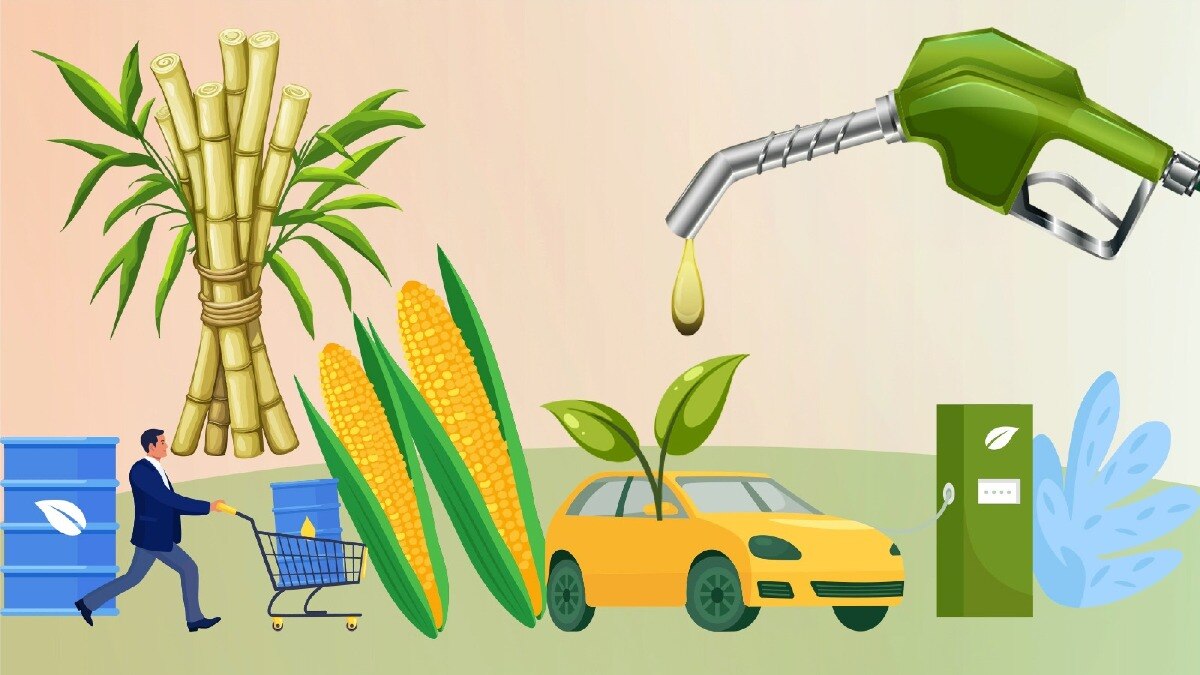
India has successfully blended 20% ethanol with petrol, ahead of schedule.
Now, they want to use ethanol for other things like generators and engines that run businesses and farms.
Ethanol can help reduce pollution and make India less dependent on other countries for fuel.
However, there are some challenges, like making sure engines can run on ethanol and making it affordable.
The government and companies need to work together to make this happen.
In the next few years, ethanol could power backup generators, farm equipment, and factories, making India's energy use cleaner and more self-sufficient.
Meanwhile, the growth of diesel and petrol consumption is slowing down due to more fuel-efficient vehicles and the expansion of CNG and electric mobility.
Additionally, there is a need for transparency in the pricing of blended petrol to understand the true cost structure and its impact on consumers.

India achieved 20% ethanol blending in petrol (E20) in 2025, ahead of schedule.
Ethanol is now being considered for gensets, static engines, and captive power applications.
Challenges include engine compatibility, fuel logistics, and economic viability.
Policy incentives like reduced GST and priority lending are needed to accelerate adoption.
Future applications include backup gensets, agricultural pumps, and captive industrial energy.
- Who
- India's government, distilleries, engine manufacturers, industrial buyers, ICRA, Grain Ethanol Manufacturers’ Association (GEMA)
- What
- Expanding ethanol use beyond transportation to gensets and static engines, slowdown in petroleum product consumption, lack of transparency in blended petrol pricing
- When
- Achieved 20% blending in 2025; future adoption in 3–7 years, petroleum consumption growth slowdown in 2025 and expected to continue in 2026
- Where
- India, with a focus on industrial hubs near ethanol production zones
- Why
- To enhance energy security, reduce carbon emissions, provide low-carbon backup power, and support farmers; slowdown due to fuel-efficient vehicles, CNG network expansion, and electric mobility; lack of transparency in pricing structure
- Programme
- Ethanol Blended Petrol (EBP)
- Current Blending Target
- 20% (E20)
- Achievement Year
- 2025
- Global Ranking
- Third-largest ethanol producer and consumer
- Potential Applications
- Gensets, static engines, captive power, agricultural pumps
- Key Challenges
- Engine compatibility, fuel logistics, economics
- Policy Incentives Needed
- Reduced GST, accelerated depreciation, priority lending
- Future Horizon
- 3–7 years for widespread adoption
- Petroleum Consumption Growth (FY26)
- 1.4% year-on-year
- Crude Oil Imports (FY26)
- 91%
- Gas Consumption Growth (FY26)
- -4.5% year-on-year
- Brent Crude Price Range (2025)
- $60–$70 per barrel
- Ethanol GST Rate
- 5%
- Petrol Taxation
- Central excise and state VAT