

Archive · 29 Oct 2025
Draft Labour Policy Cites Ancient Texts, Sparks Rights Concerns
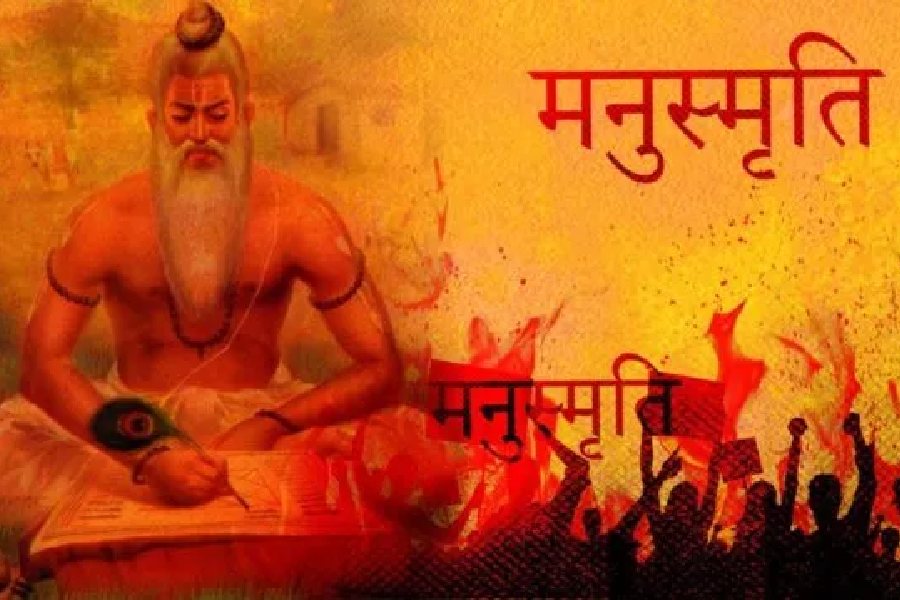
The Indian government has a new plan for workers, but some people are worried.
The plan talks about old books like the Manusmriti, which are from a long time ago and talked about different social jobs.
It says working is like a duty, kind of like being a good citizen.
But people who work for labor rights say this is confusing because those old books treated some people unfairly and didn't have the same ideas about fair pay and safety that we do today.
They also point out that not many workers in India have good social security, like health insurance or retirement money.
They feel the government's plan doesn't talk enough about creating new jobs or making sure everyone gets paid a fair minimum wage.
They want the government to talk to them before finalizing the plan.

A draft national labor policy in India cites ancient texts like Manusmriti, framing labor as a sacred duty ('dharma').
Critics argue this approach harks back to caste hierarchies and neglects modern concepts of workers' rights and fair wages.
The policy's inspiration from 'rajdharma' is seen by some as downplaying labor's need for protection from exploitation.
Concerns are raised about the government's performance in social security and job creation, with only 10% of formal workers covered by social security.
Trade unions allege they were not consulted on the draft policy, which they say fails to address job security and minimum wage issues.
- Who
- The Union government's labour ministry and critics including trade unions and academics
- What
- Draft National Labour and Employment Policy citing ancient Hindu texts like Manusmriti and the concept of 'rajdharma' (king's duty) for labor, drawing criticism for potentially undermining workers' rights.
- When
- The draft policy has been recently prepared, with data cited from Economic Surveys up to 2023-24.
- Where
- India
- Why
- The government states the policy draws inspiration from indigenous frameworks to define labor as a sacred duty, while critics argue this approach ignores modern labor rights and seeks to reinforce historical caste-based hierarchies.
Government Rationale
Criticism from Experts and Unions
Inspiration for the Policy
Government Rationale
The draft policy draws inspiration from indigenous frameworks like Manusmriti, framing labor as a sacred and moral duty (dharma) contributing to social harmony and collective prosperity, aligning with ancient Indian texts which emphasized the sovereign's duty to ensure justice and worker protection.
Criticism from Experts and Unions
Experts argue that citing ancient texts like Manusmriti, which codified caste hierarchy, is problematic as concepts like wages and workers' rights are modern, post-industrialization developments. They believe this approach attempts to reinforce caste-based labor divisions and ignores contemporary rights.
Worker Rights and Social Security
Government Rationale
The policy aims to embed indigenous frameworks within modern constitutional and international contexts, emphasizing the sovereign's duty to ensure justice and protection.
Criticism from Experts and Unions
Critics point to the dismal performance in universal social security and job creation, with only 10% of formal workers having social security. They highlight negative growth in real wages and the lack of consultation with trade unions on job security, employment generation, and minimum wages.
Interpretation of Labor's Role
Government Rationale
The draft policy states that in the Indic worldview, work is a contribution to the broader order of dharma, recognizing every worker as an essential participant in social creation.
Criticism from Experts and Unions
Experts contend that glorifying labor as dharma attempts to reinforce a caste-based hierarchical division of labor, where workers historically had no rights and received only subsistence remuneration, and that this ignores modern concepts of rights, fair wages, and safety.
- Policy Name
- Draft National Labour and Employment Policy (Shram Shakti Niti 2025)
- Influential Texts Cited
- Manusmriti, Yajnavalkyasmriti, Naradasmriti, Sukraniti, Arthashastra
- Social Security Coverage
- 10% of formal workers have coverage; 90% must arrange their own.
- Union Government Pension
- ₹200 per month under National Social Assistance Programme for nearly 2 crore elderly.
- Job Creation Trend
- Decline in regular jobs, increase in self-employment (2018-19 to 2022-23).
- Real Wage Growth
- Negative growth due to inflation, with expectations of improvement.
- Trade Union Allegation
- Draft policy prepared without consultation; lacks focus on job security, employment generation, and mandatory minimum wages.