9 months ago
India's Draft AI Rules Face Legal and Practical Challenges from Industry
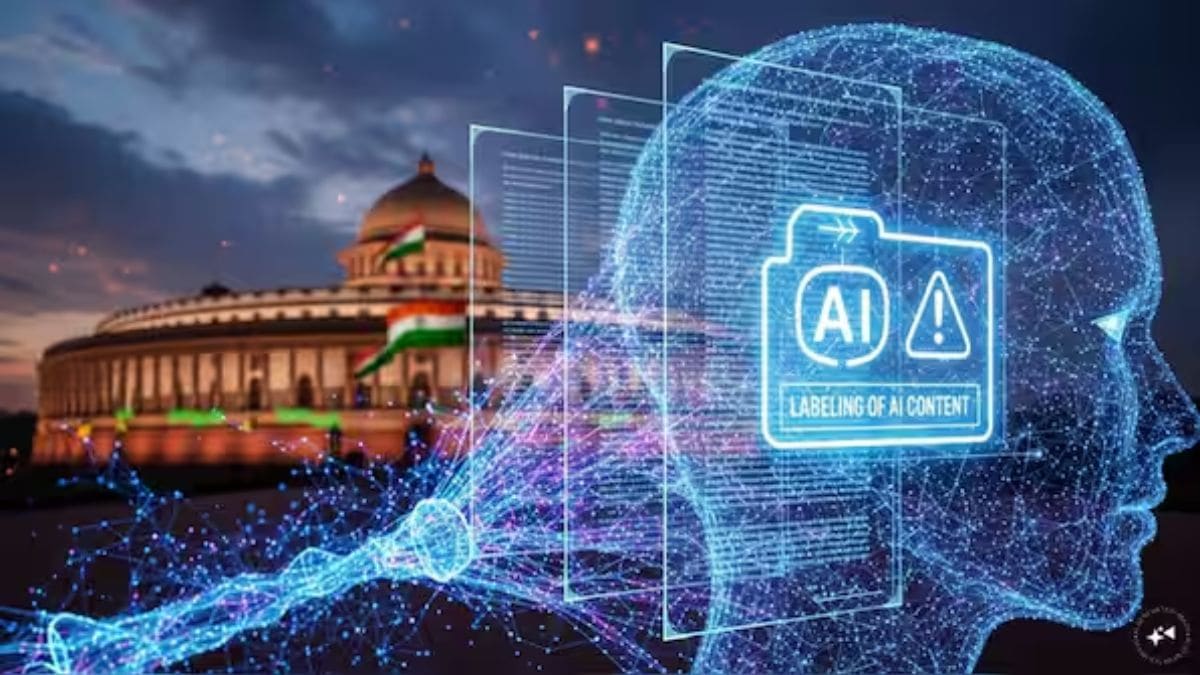
Imagine the government wants to make sure that pictures or voices made by AI are clearly marked so people know they aren't real.
They made some new draft rules for the internet.
But some groups that work with the internet and protect people's rights say these rules might be against the law.
They think the rules give the government more power than the law allows and could stop people from sharing their ideas freely.
They are also unsure if websites that create AI art, like ChatGPT, are even considered 'middlemen' under the current internet law.
The groups worry that making companies check every piece of content will be impossible, leading them to wrongly label or block things, which could even affect political news.
They also fear these rules could lead to more online spying and violate people's privacy.

Industry bodies and rights groups argue India's draft AI rules may not withstand a legal challenge, potentially exceeding the IT Act's provisions.
Concerns exist that generative AI platforms may not fit the legal definition of 'intermediary' under the IT Act, as they create content.
Mandatory user declarations for AI-generated content are seen as impractical and could violate safe harbor principles for platforms.
There's a risk of over-labeling and censorship, potentially impacting freedom of expression, particularly political speech.
Experts warn that verification methods could infringe on user privacy and set a precedent for increased government surveillance.
- Who
- Industry bodies (SFLC.in, IAMAI) and rights groups (IFF)
- What
- Raised concerns about the legality and practicality of India's draft AI rules for synthetically generated information (SGI).
- Where
- India
- When
- November 14, 2025 (Publication Date)
- Why
- Concerns include the rules potentially exceeding the IT Act's scope, generative AI platforms not fitting the 'intermediary' definition, impractical verification demands, risks to freedom of expression, and privacy violations.
Industry and Rights Groups' Concerns
Government's Implied Position
Legality and Scope of IT Act
Industry and Rights Groups' Concerns
The draft rules' requirement for proactive labeling and filtering exceed the scope of the IT Act, potentially granting new government powers and infringing on freedom of expression. Generative AI platforms may not qualify as 'intermediaries' under the Act as they create content, not just host or transmit it.
Government's Implied Position
The government aims to regulate synthetically generated information (SGI) and views these rules as necessary to address challenges posed by AI-generated content.
Content Verification and Intermediary Liability
Industry and Rights Groups' Concerns
Requiring user declarations for SGI is impractical and risks violating safe harbor principles for intermediaries, given the high volume of content. This could lead to over-labeling, censorship, and suppression of legitimate content, including political speech, due to fear of penalties.
Government's Implied Position
The government requires intermediaries to obtain user declarations as a means to manage and identify AI-generated content.
Definition of SGI and Privacy
Industry and Rights Groups' Concerns
The definition of SGI is unclear and lacks exceptions for routine editing or creative work. Verification methods like content hashing or scanning could violate user privacy and the spirit of Section 79 of the IT Act, potentially setting a precedent for government surveillance.
Government's Implied Position
The government seeks to implement measures to ensure responsible use of AI-generated content, which may involve monitoring.
Key facts
- Organizations Raising Concerns
- SFLC.in, Internet and Mobile Association of India (IAMAI), Internet Freedom Foundation (IFF)
- Legislation in Question
- Draft Synthetically Generated Information (SGI) Rules, IT Amendment Rules, IT Act, 2000, IT Rules, 2021
- Core Legal Challenge
- Draft rules may extend beyond the IT Act's provisions, conferring new powers and potentially limiting freedom of expression.
- Ambiguity
- Unclear if generative AI platforms fit the definition of 'intermediary' under the IT Act.
- Key Concerns
- Impracticality of content verification, risk of over-labeling/censorship, privacy violations, and lack of exceptions for editing.
- Potential Impact
- Over-regulation, chilling effect on free speech, increased surveillance, and erosion of intermediary safe harbor.
Quotes

Internet Freedom Foundation (IFF)
A digital rights organization
“If an image is slightly edited, they might slap “SGI” on it (even if it’s just color-corrected by an algorithm). Or worse, they might prevent upload if their tool flags something (even if the tool is wrong). This can lead to significant censorship, including of political speech (imagine an opposition party’s genuine video being flagged as deepfake erroneously and delayed in posting during election time – it could affect outcomes)”
 thehindubusinessline.com
“and possibly the spirit of Section 79 (no obligation to monitor)”
thehindubusinessline.com

SFLC.in
A legal organization focusing on software freedom law
“The intent of the amendment is clearly to also include content that is generated by the above-mentioned platforms. If they are excluded from the purview of this amendment, the effects of the same would be considerably reduced”
thehindubusinessline.com