

Archive · 7 Sep 2025
Study: Drinking More Water Could Help Reduce Stress Levels
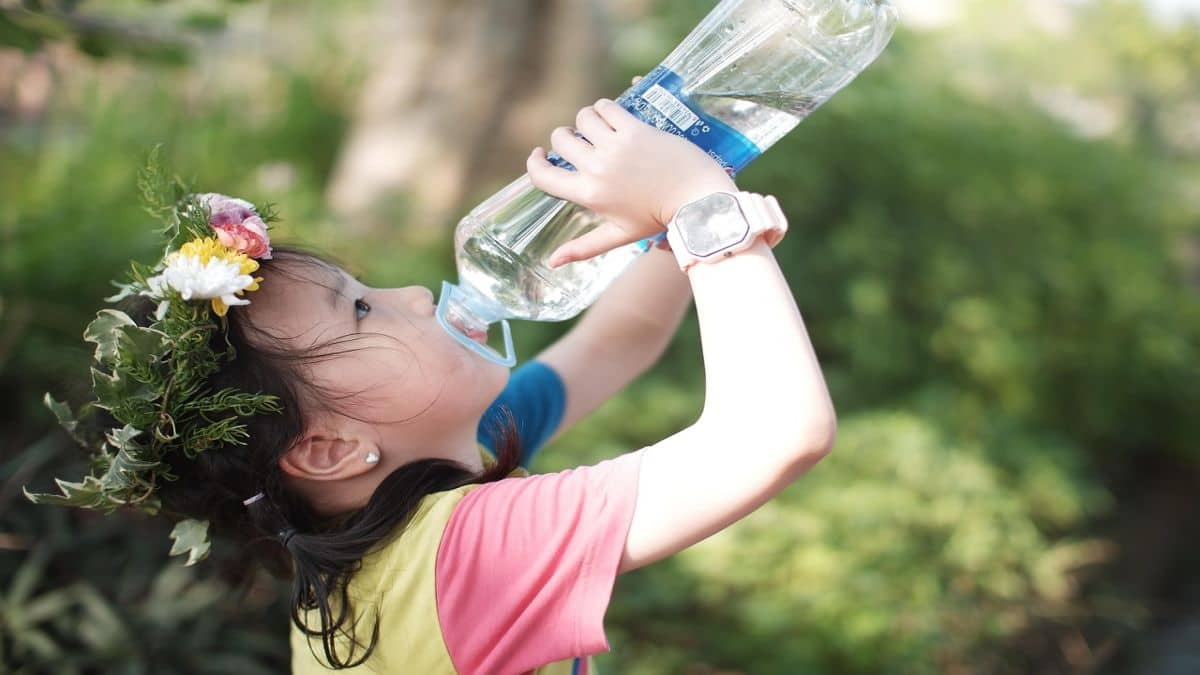
Imagine your body as a plant.
When a plant doesn't get enough water, it struggles.
This study found that when people don't drink enough water, their bodies release more of a stress hormone called cortisol.
Scientists tested this by having people do stressful tasks.
Those who didn't drink enough water had a bigger cortisol surge.
This means being dehydrated could make it harder to handle stress.
Staying hydrated might help your body deal with stressful situations better.
You can check if you're drinking enough by the color of your urine - pale yellow is good!

Study found that drinking less than 1.5 liters of water daily correlated with higher cortisol levels.
Participants were divided into groups based on their fluid intake.
Both groups felt equally nervous during the stress test, but the low-fluid group had a greater cortisol surge.
Dehydration may amplify stress responses.
Hydration is presented as a potentially underappreciated ally in stress management.
- Who
- Researchers at Liverpool John Moores University
- What
- Found that lower water intake can increase stress levels.
- When
- The study was published in the Journal of Applied Physiology.
- Where
- Liverpool John Moores University
- Why
- To understand how hydration impacts stress resilience.
- Key Finding
- People who drank less than 1.5 liters of water daily showed higher cortisol levels.
- Study Participants
- Healthy young adults
- Stress Test
- Public speaking and mental arithmetic
- Cortisol
- The body’s primary stress hormone
- Dehydration Indicator
- Darker urine color