

Archive · 16 Sep 2026
Trump Administration to Comply with Supreme Court Mail Ballot Ruling
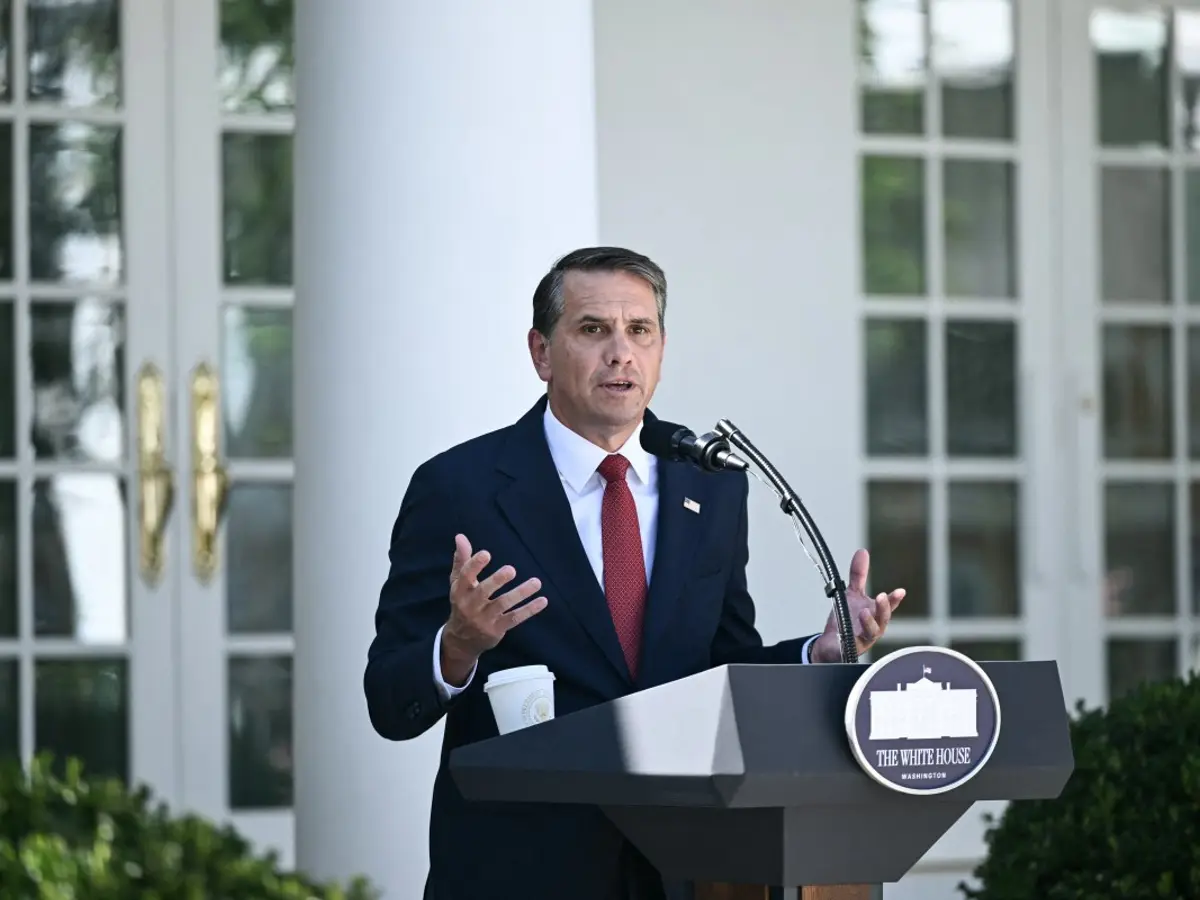
The government wanted to introduce new rules for sending and counting mail-in ballots.
The rules included special envelope designs, barcodes, and extra voter information.
Some states had already started sending ballots for the November elections.
Election officials said the changes could be difficult to add so late.
A lower court blocked the rules, and the Supreme Court declined to pause that decision.
Attorney General Todd Blanche said the administration will follow the Supreme Court’s order.
He also said the administration disagrees with the ruling and will keep working on election security.
Donald Trump criticized the Supreme Court’s decision.
The court’s order remains in effect while the legal fight continues.

Attorney General Todd Blanche said the Trump administration will comply with the Supreme Court ruling blocking new mail-ballot rules.
The Supreme Court rejected the administration’s request to implement the United States Postal Service rules during ongoing legal challenges.
The proposed rules required specific ballot-envelope designs, unique barcodes, and voter information submitted to a government portal.
Election officials argued that introducing the requirements after mail-ballot distribution began could disrupt voting.
Donald Trump criticized the ruling, while Blanche said the administration would continue broader election-security efforts.
- Who
- The Trump administration, Attorney General Todd Blanche, the Supreme Court, the United States Postal Service, and state and local election officials.
- What
- The administration will comply with a Supreme Court decision blocking new United States Postal Service rules for mail-in ballots.
- When
- The Supreme Court issued its order on Monday, and Blanche addressed it at a White House briefing on Tuesday, September 15, ahead of the November midterm elections.
- Where
- The dispute concerns United States Postal Service mail-in-ballot procedures and elections across the United States.
- Why
- The court found the government unlikely to succeed in its challenge, while election officials said the new requirements could be difficult to implement and disrupt voting.
Administration and Postal Service Position
Court and Election Officials’ Position
Legality of the rules
Administration and Postal Service Position
The administration disagreed with the Supreme Court’s decision and maintained that it should be able to pursue the rules as part of its election-related efforts.
Court and Election Officials’ Position
The Supreme Court said the government was unlikely to succeed on the merits of its challenge to the lower court’s decision blocking the rules.
Timing of implementation
Administration and Postal Service Position
The administration sought to allow the new requirements to take effect before the November midterm elections.
Court and Election Officials’ Position
Election officials argued that states had already begun sending ballots and that adding the requirements at that stage could be difficult and disruptive.
Broader election efforts
Administration and Postal Service Position
Blanche said the ruling would not prevent the administration from doing everything it could to ensure free and fair elections and election security.
Court and Election Officials’ Position
The ruling prevents the specific postal rules from taking effect while the legal challenges continue.
- Supreme Court action
- Rejected the administration’s request to let the new mail-ballot rules take effect during legal challenges.
- Proposed envelope rules
- Mail-ballot envelopes would have needed specific designs and a unique barcode scannable by postal equipment.
- Additional requirement
- State and local election officials would have submitted information about voters receiving mail ballots to a government-operated portal.
- Administration response
- Todd Blanche said the administration would comply with the ruling despite disagreeing with it.
- Election timing
- Several states had already begun sending mail ballots before the proposed requirements could be implemented.
- Dissent
- Justices Samuel Alito and Clarence Thomas dissented from the Supreme Court’s order.
- Separate concurrence
- Justice Brett Kavanaugh said the Postal Service might have statutory authority for some aspects of the rules but said implementation for the 2026 elections was not legally permissible.