

Archive · 2 Jun 2025
The Profound Significance of Hajj in Islam
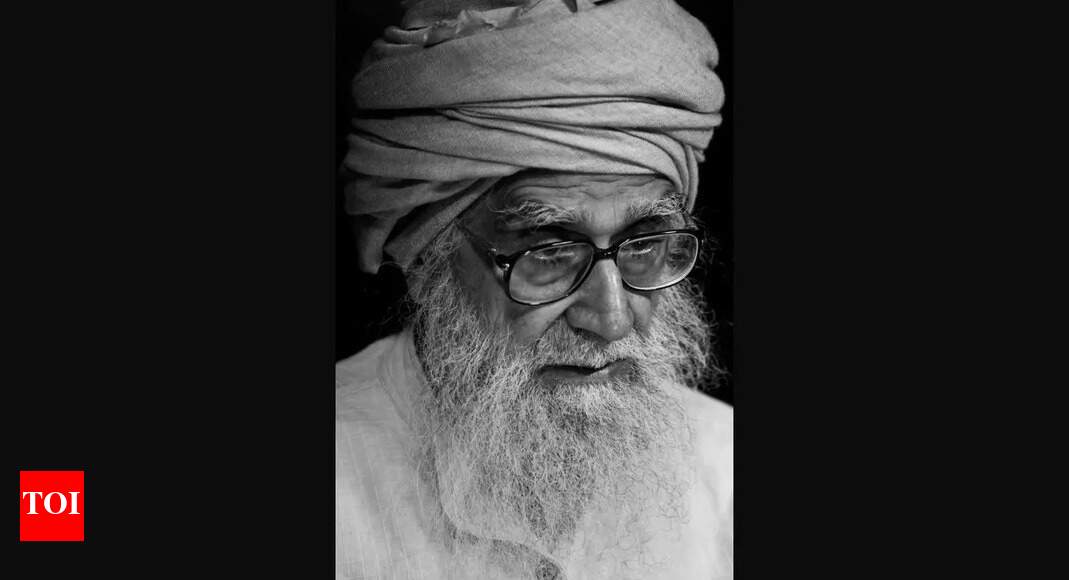
Hajj is a special trip for Muslims, started by Prophet Ibrahim.
It's like a fresh start, washing away bad feelings.
People go to Mecca, walk around the Kaaba, and remember important events from Prophet Ibrahim's life.
It's about being humble, helping others, and being closer to God.
During Hajj, pilgrims also promise to be good and avoid fighting.
It's a time to learn and become a better person, not just do the rituals.
This helps them become more pure, like when they were born, and to share their learnings with others.

Hajj, a pillar of Islam, traces its roots to Prophet Ibrahim and his son Ismail.
Returning from Hajj symbolizes a return to a state of purity, free from sins.
The various rituals of Hajj represent the life of Prophet Ibrahim and spiritual devotion.
Pilgrims are reminded of the Day of Resurrection during Hajj.
Hajj emphasizes the importance of avoiding oppression and promoting ethical conduct.
- Who
- Muslims worldwide.
- What
- A major Islamic pilgrimage involving rituals such as circling the Kaaba, and standing in Arafat.
- When
- Occurs annually during specific months.
- Where
- Primarily in Mecca, Saudi Arabia.
- Why
- To connect with God, seek spiritual purification, and follow the example of Prophet Ibrahim.
- Founders of Hajj
- Prophet Ibrahim and his son Prophet Ismail
- Location of Kaaba
- Makkah
- Symbolic Meaning
- Purification from sins
- Symbol of Ihram
- Humility and Simplicity
- Symbol of Stoning of the Devil
- Rejection of Satanic Influences
- Hajj Requirement
- Once in a Lifetime