Archive · 22 May 2025
Punjab Revises PG Quota to Attract and Retain Doctors
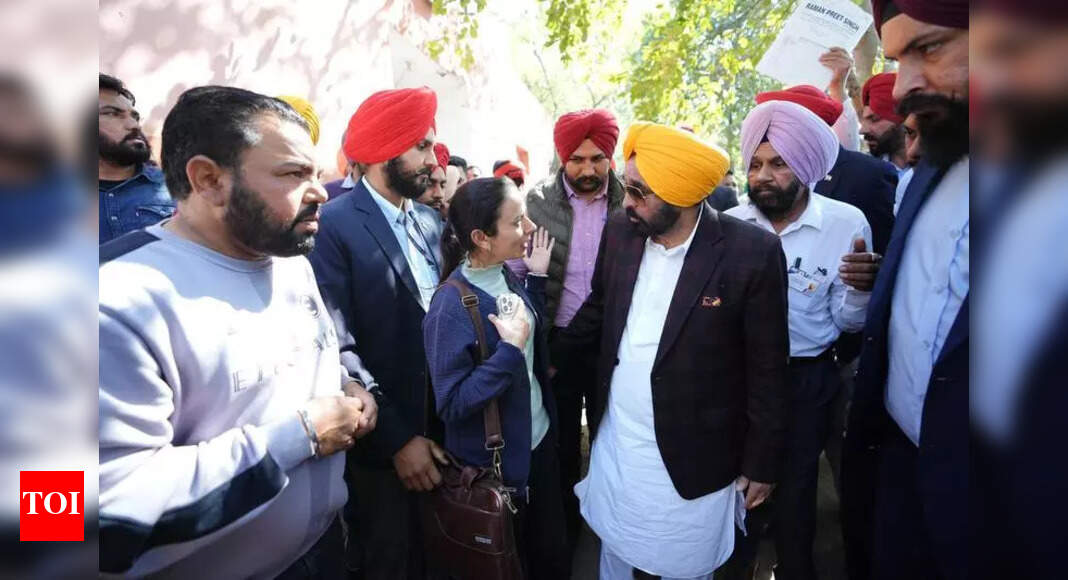
The Punjab government has updated rules to help more doctors get advanced training.
They're now including doctors in emergency and jail settings to get these benefits.
They've also changed how they decide which areas are considered difficult to work in, giving advantages to doctors in those areas.
Doctors working in challenging areas will get extra credit when applying for further studies.
This aims to make working for the government more attractive for young doctors and ensure they stay in public service.
The local doctor's association is happy with these changes.

The Punjab government extended postgraduate (PG) quota benefits to Emergency Medical Officers (EMOs) and Jail Medical Officers (MOs).
The government revised the categorization of health institutions for PG quota benefits.
Doctors in jails, EMOs in district and sub-divisional hospitals are now in the "difficult" category.
Institutions near the international border and in aspirational districts are in the "more difficult" category.
The Punjab Civil Medical Services Association (PCMSA) welcomed the revised PG policy.
- Who
- Punjab government, doctors, and medical professionals
- What
- The Punjab government revised its postgraduate quota policy.
- When
- The PG quota policy was revised recently.
- Where
- Punjab, India
- Why
- To attract and retain young doctors in public healthcare and address the shortage of doctors.
- Key Change
- PG quota extended to EMOs and Jail MOs
- Main Goal
- To attract young MBBS graduates to the public health cadre.
- Revision
- Revised categorization of health institutions
- Beneficiaries
- Doctors in difficult and more difficult areas
- Incentive
- Weightage up to 30% of NEET marks for government service